JD Vance’s High-Stakes Iran Peace Initiative: Diplomatic Turbulence & 2028 Political Fallout
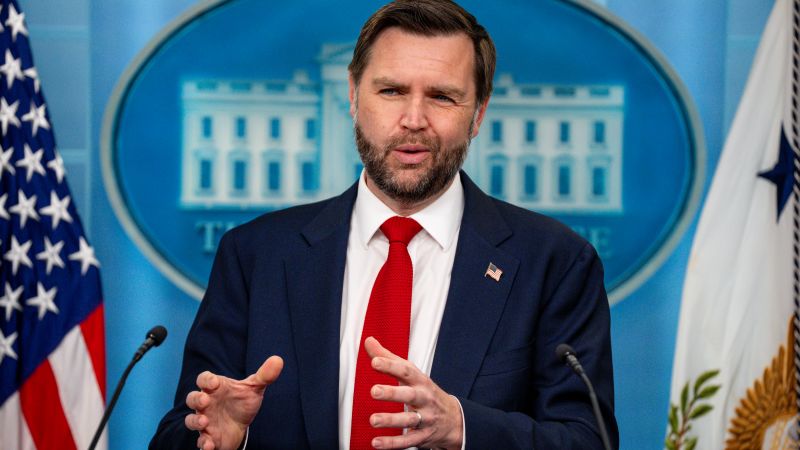
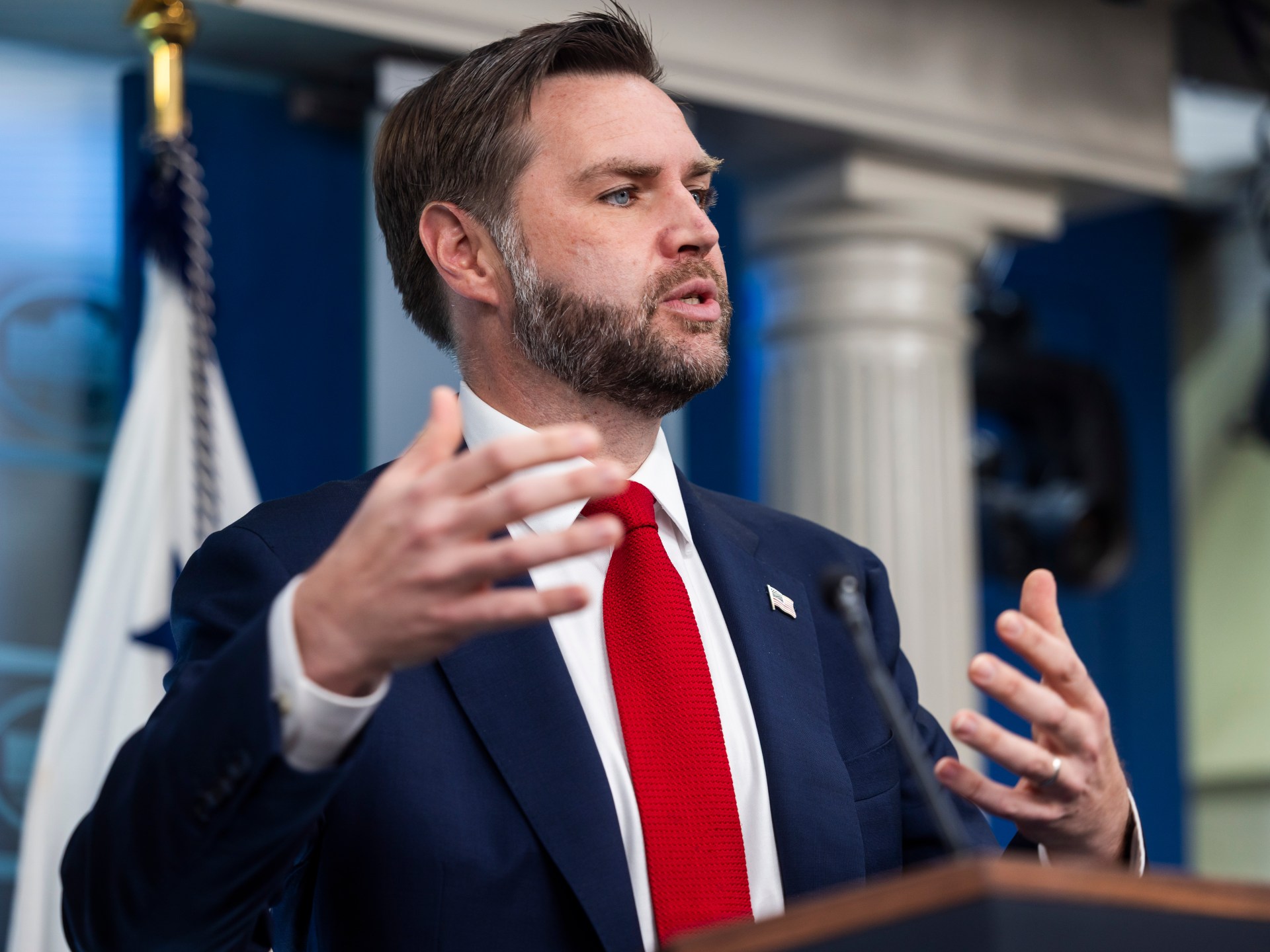
Vice President JD Vance’s high-profile foray into brokering a peace agreement to end months of protracted conflict with Iran has swiftly transitioned from a potential career-defining achievement to a significant political liability, directly impacting his prospective 2028 presidential aspirations. The strategic gamble, undertaken despite the administration’s prior struggles to secure concessions from Tehran, encountered immediate headwinds, most notably the abrupt derailment of a planned formal summit in Switzerland. Vance’s last-minute flight cancellation signaled a critical operational setback for the nascent peace process, amplifying its precariousness.
Diplomatic Credibility Erodes Amidst Domestic Backlash
The abrupt cancellation of the Swiss summit, a critical operational failure, immediately eroded diplomatic credibility. Such eleventh-hour disruptions signal internal disarray or wavering commitment, empowering hardline factions in Iran who may interpret the delay as American weakness, thereby hardening their negotiating posture. This jeopardizes future diplomatic leverage, complicating efforts to secure meaningful commitments.
Domestically, the Republican Party’s hawkish wing mounted swift, vehement objections. Initially protesting the administration’s reluctance to disclose the agreement’s text, critics, including a prominent Republican senator, condemned the accord upon release as unduly favorable to Iran and a significant foreign policy misstep. This internal party dissent creates substantial political headwinds, threatening the congressional support vital for any long-term implementation or enforcement of the agreement. The legislative characterization of the deal as a “worst foreign policy blunder in decades” underscores a deep ideological chasm, impeding bipartisan consensus.
Executive Disunity & Vance’s Political Gamble
Adding layers of complexity, conflicting public statements from President Trump and Vice President Vance regarding the peace process’s future trajectory, particularly on responses to potential Iranian violations, introduced acute strategic ambiguity. Such high-level executive divergence projects disunity and indecision globally, exploitable by adversaries and causing allies to question U.S. foreign policy coherence and reliability, potentially impacting broader geopolitical alignments.
This initiative represents a significant political gamble for Vance, who, despite his established reputation as a war skeptic, has become its principal advocate. The direct criticism leveled at him, coupled with his extensive media appearances defending the deal amidst immediate backlash, underscores a calculated effort to shape public perception and consolidate his political standing as the architect of a potentially transformative, yet controversial, foreign policy shift. His deep personal investment highlights the immense political exposure inherent in championing such a contentious agreement.
MOU & The 60-Day Negotiation Gauntlet
The signed Memorandum of Understanding (MOU), an initial framework rather than a definitive resolution, has triggered a critical 60-day negotiating period announced by Vice President Vance. This interim phase is a high-stakes gauntlet, balancing opportunity for detailed negotiation on specifics—including verification mechanisms and resolution of outstanding issues—against heightened vulnerability to political pressures, internal disagreements, and external disruptions.
The shift from initial signing to complex operationalization demands meticulous diplomatic capabilities from both U.S. and Iranian teams, with a robust dispute resolution framework essential to prevent further derailment. Strategically, this period profoundly influences market perceptions of regional stability, particularly for energy markets and global trade routes, where perceived progress or setbacks could significantly shift investor confidence and commodity prices due to the region’s geopolitical sensitivity.
Stakeholder Risk: Political Capital & Geopolitical Standing
The stalled summit and subsequent political criticism expose key stakeholders to significant reputational and strategic risks. For Vice President Vance, his direct association with the Iran peace deal positions its success or failure as a defining moment for his political capital and 2028 presidential ambitions. The Trump administration faces intensified scrutiny over its internal coherence and capacity to execute complex foreign policy, with conflicting public statements diminishing its credibility in future international engagements.
GOP hawks, alongside U.S. and Israeli officials, have strategically leveraged the agreement’s perceived flaws to reinforce their hawkish foreign policy stances, creating persistent pressure points and aiming to influence legislative outcomes. Conversely, Iran’s leadership navigates intense domestic scrutiny over the MOU’s terms, where the perceived strength or weakness of the deal will either bolster or undermine their internal legitimacy and long-term commitment to the peace process.
Long-Term Policy & Geopolitical Realignments
The Vance initiative’s trajectory will trigger profound institutional responses within the U.S. government, with the State Department, Pentagon, and intelligence agencies reassessing negotiation viability, MOU risks, and formulating contingency plans. Internally, the deep divisions within the Republican Party over the Iran deal are poised to reshape future foreign policy platforms and electoral strategies, potentially leading to a re-evaluation of party orthodoxy on international engagement and the balance between diplomatic and coercive tools.
Beyond immediate political calculations, this high-profile peace effort carries significant strategic implications for the broader framework of international relations and multilateral diplomacy. Its success or failure could establish critical precedents for future conflict resolution, especially in geopolitically complex regions, influencing potentially global power dynamics and the efficacy of U.S. leadership.
Geopolitical Redefinition: Success or Failure’s Far Reach
The ultimate fate of the Iran peace agreement, post-60-day negotiation, holds profound long-term competitive and geopolitical consequences. A successful, stable resolution could fundamentally reconfigure regional power dynamics, fostering new economic cooperation and significantly reducing military escalation. Conversely, a failure to solidify the agreement or a collapse of negotiations risks exacerbating existing tensions, renewing instability, and potentially triggering more aggressive postures from all parties. Such an outcome would directly impact global energy security, maritime trade, and the proliferation of advanced weaponry in the volatile Middle East.
The international community, including key allies and rival powers, is closely monitoring these developments, poised to adjust strategic calculations, defense spending, alliance structures, and diplomatic priorities based on the perceived stability and effectiveness of this U.S.-led initiative. Vance’s endeavor thus stands as a critical test of diplomatic resolve and political acumen, its trajectory and outcome poised to indelibly mark both domestic political landscapes and the intricate tapestry of international relations, redefining regional security paradigms and global power balances for years to come.