
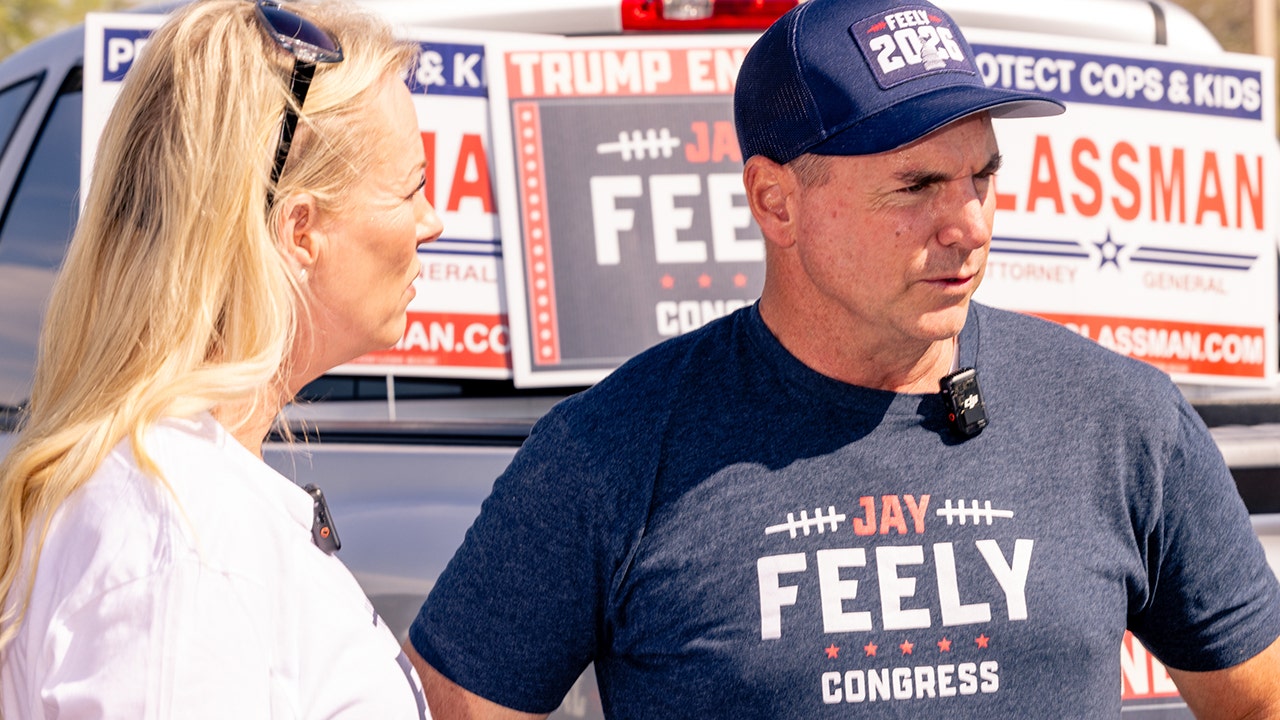
Jay Feely Clinches GOP Nomination for Arizona’s 1st Congressional District
Former NFL kicker Jay Feely has secured the Republican nomination for Arizona’s 1st Congressional District, advancing to the general election. Feely defeated former state Representative Joseph Chaplik and businessman John Trobough in a primary race significantly influenced by an endorsement from former President Donald Trump.
Feely’s victory positions him as the Republican contender for a congressional seat representing a district encompassing parts of Phoenix and Scottsdale. The Democratic primary, contested between former state Representative Amish Shah and former broadcast journalist Marlene Galán-Woods, remains undecided, setting the stage for a competitive general election battle.
Strategic Endorsements and Base Mobilization
Feely’s campaign strategically leveraged a crucial endorsement from former President Donald Trump. This alignment with a high-profile party figure was instrumental in mobilizing the Republican base in Arizona, distinguishing Feely within a competitive primary field and amplifying his campaign’s reach.
The candidate’s narrative focused on themes of national improvement for future generations and a strong ideological contrast with the Democratic Party. By framing Democratic policies as leaning towards “socialism” and emphasizing issues like border security, Feely aimed to define the electoral battleground and resonate with primary voters’ core concerns.
Intensifying General Election Landscape
Feely’s primary win elevates the stakes for the general election in Arizona’s 1st Congressional District, a race expected to draw substantial national party attention and financial investment. Electoral success will depend on effective voter turnout and the candidates’ ability to broaden their appeal beyond partisan bases.
External financial support, including contributions from prominent sports figures like Roger Goodell, highlights the intersection of celebrity influence and political fundraising. Such backing can provide a significant advantage in campaign resources and public visibility.
Ideological Framing and Voter Incentives
Feely’s campaign strategy hinges on presenting the election as a defense of a specific ideological vision against a perceived leftward shift by the Democratic Party. This narrative appeals directly to Republican voters prioritizing conservative principles on issues such as border control and economic policy.
Conversely, Democratic primary candidates are motivated to articulate distinct policy platforms and draw sharp contrasts with Feely. Their path to victory involves energizing Democratic voters and potentially attracting moderate or independent voters who may be wary of the Republican platform.
District Representation and Policy Implications
The general election contest will determine the future representation for Arizona’s 1st Congressional District, a diverse constituency with varied economic and social priorities. The ensuing policy debates will shape the district’s engagement with national legislative agendas on critical issues, including economic policy and immigration.
The campaign’s dynamics and outcome will also influence the Republican Party’s broader messaging and its capacity to appeal to crucial suburban and independent voting blocs. Feely’s ability to navigate these demographic complexities will be a key determinant of his electoral prospects.
Capital Inflow and Campaign Operations
The financial backing from notable sports personalities suggests a strategic capital investment in Feely’s candidacy, potentially reflecting a broader trend of external funding entering key electoral contests. This influx of capital can substantially enhance campaign operations, from advertising and digital outreach to ground game mobilization.
The nature of this investment, particularly from individuals outside traditional political donor circles, may indicate evolving campaign finance landscapes and a growing interest in political engagement from diverse sectors.
Performance Narrative and Electoral Strategy
Feely’s background as a disciplined and strategically executing professional athlete can be framed as transferable skills for effective public service. This narrative can appeal to voters seeking leadership with a proven track record of dedication and achievement.
The strategic alignment with former President Trump’s endorsement reflects a keen understanding of current Republican electorate dynamics, aiming to harness the loyalty and enthusiasm of Trump’s dedicated supporters.
Vulnerability and Opposition Scrutiny
For the Democratic Party, the choice of nominee will determine their ability to counter Feely’s established narrative and leverage. The contrast between Shah and Galán-Woods will highlight different strategic approaches to engaging voters and defining the election’s stakes.
Feely’s candidacy will face continued scrutiny regarding his policy positions and conservative credentials from opponents and advocacy groups. This ongoing examination requires sustained engagement and clear communication to address potential vulnerabilities.
Party Positioning and Electoral Trajectory
Feely’s nomination contributes to the Republican Party’s efforts to secure congressional seats in vital swing states like Arizona. His performance will be analyzed for its implications on the party’s broader electoral strategy and its appeal to diverse constituencies.
The Democratic Congressional Campaign Committee (DCCC) faces scrutiny over its alleged involvement in primary races, with reports of internal tensions potentially impacting party unity and operational effectiveness.
Broader Electoral Trends and Political Evolution
The Arizona 1st Congressional District race exemplifies a growing trend of public figures, including former athletes, entering politics. This phenomenon prompts questions about evolving candidacy requirements and the factors driving electoral success in contemporary elections.
The ideological polarization highlighted by Feely’s campaign rhetoric underscores deepening partisan divisions in the U.S., with significant implications for legislative cooperation and governance.
Capital Deployment and Campaign Infrastructure
Financial support from sports figures for Feely’s campaign represents a strategic capital deployment to build a robust campaign infrastructure. This funding is crucial for comprehensive outreach, including advertising, digital engagement, and voter mobilization.
This investment from outside traditional political donor networks could signal a diversification of campaign finance sources, impacting the economic landscape of electoral contests.
Messaging Strategy and Voter Mobilization
Feely’s core message, emphasizing intergenerational responsibility and ideological contrast, is designed to energize a specific segment of the electorate. Its effectiveness in the general election will hinge on its ability to attract voters beyond the Republican base.
The Democratic primary outcome will dictate the opposition’s messaging and strategy, likely focusing on contrasting their platforms with Feely’s and the broader Republican agenda.
Institutional Dynamics and Party Cohesion
The Republican Party in Arizona must navigate internal dynamics as Feely seeks to represent a district with potentially shifting demographics. The party’s adaptability to these changes will be critical for sustained electoral success.
Reported internal dissent within the Democratic campaign apparatus regarding primary interventions highlights challenges in coordinating national party efforts with local candidate needs, potentially impacting resource allocation and strategic alignment.
Performance Leverage in a Competitive Arena
Feely’s athletic background, marked by discipline and performance under pressure, offers a narrative of leadership transferable to public service. This narrative can resonate with voters seeking proven dedication and effectiveness.
The strategic emphasis on ideological differences aims to galvanize the base and define the opponent, framing the election as a critical choice for the nation’s direction.
Exposure to Scrutiny and Policy Articulation
As a primary victor, Feely faces heightened scrutiny regarding his policy positions on key district and national issues. Clear articulation of his platform will be essential.
Democratic primary contenders will also be subject to scrutiny, with their past statements and policy proposals examined by opponents and the media as they define their general election strategies.
Consequences for Future Electoral Cycles
The outcome of this Arizona congressional race will inform broader understandings of electoral trends and candidate viability in competitive districts, influencing future campaign strategies and resource allocation for both major parties.
The involvement of external capital from sports figures may indicate a growing trend in campaign finance, potentially reshaping how future campaigns are structured and funded.
Strategic Capital Deployment in Electoral Contests
Financial backing from sports figures for Feely’s campaign represents a strategic capital investment to gain a competitive edge. This funding is vital for building a robust campaign apparatus capable of reaching a broad electorate through diverse media channels.
This investment may reflect a belief in Feely’s potential or a broader desire to influence political outcomes, significantly shaping electoral contest dynamics.
Ideological Framing and Voter Alignment
Feely’s campaign has strategically positioned itself by highlighting a stark ideological contrast with the Democratic Party on issues like socialism and border policy, aiming to consolidate the Republican base and appeal to voters prioritizing these concerns.
Democratic primary candidates must develop a counter-narrative that effectively addresses these criticisms while articulating their own vision, seeking to mobilize their base and persuade undecided voters.
Performance Leverage and Public Perception
The narrative of Feely’s transition from a successful NFL career to a congressional candidacy leverages his public profile and perceived qualities of discipline and determination, aiming to connect with voters seeking relatable and driven leaders.
The campaign’s effectiveness in translating this athletic performance narrative into electoral advantage will be a key indicator of its overall strategic success in the current political landscape.
Exposure of Party Strategies and Internal Tensions
Reported tensions within the Democratic Congressional Campaign Committee (DCCC) regarding primary interventions reveal potential strategic disagreements and complexities in national party influence on local races, impacting unity and operational effectiveness.
Feely’s primary victory, bolstered by a significant presidential endorsement, highlights the strategic importance of key endorsements in mobilizing party bases, influencing candidate selection and internal party dynamics.
Consequences for District Governance and National Policy
The winner of this race will represent Arizona’s 1st Congressional District, influencing local priorities and contributing to national legislative debates. The candidates’ policy stances will have tangible consequences for constituents and the broader political landscape.
The competitive nature of this race, amplified by external endorsements and funding, underscores its national significance, potentially impacting the balance of power in Congress and federal policy direction.
Capital Investment and Campaign Infrastructure Development
The financial backing from sports notables for Jay Feely’s campaign signifies a strategic capital investment to build a robust campaign infrastructure. This funding is critical for comprehensive outreach strategies, including advertising, digital engagement, and ground operations.
This capital influx from outside traditional political donor networks suggests a potential shift in campaign finance dynamics, highlighting how external support can significantly bolster a candidate’s operational capacity and competitive standing.
Ideological Framing and Voter Mobilization Tactics
Feely’s campaign has strategically framed the election around a clear ideological divide, emphasizing contrasts with the Democratic Party’s platform on issues like socialism and border security to energize the Republican base and define the contest.
Democratic primary contenders must develop effective counter-narratives and mobilization tactics to appeal to their base and undecided voters, articulating a compelling alternative vision that addresses voter concerns.
Performance Leverage and Candidate Narrative
The narrative of Jay Feely’s transition from a successful NFL career to a congressional bid leverages his public profile and perceived attributes of discipline and resilience, serving as a powerful tool for voter connection and establishing leadership credentials.
The strategic emphasis on transferable athletic skills aims to build confidence in Feely’s capacity to perform effectively in the demanding environment of public service.
Exposure of Campaign Strategies and Party Influence
Reported internal tensions within the DCCC regarding primary interventions reveal potential strategic disagreements and the complexities of national party influence on local races, impacting party unity and operational effectiveness.
Feely’s primary victory, reinforced by a significant presidential endorsement, underscores the strategic importance of key endorsements in mobilizing party bases, influencing candidate selection and internal party power structures.
Consequences for District Representation and Policy Debates
The general election outcome in Arizona’s 1st Congressional District will determine representation for a diverse constituency and influence national policy debates, with candidates’ platforms shaping the district’s engagement with federal legislation.
The competitive nature of this race, amplified by external endorsements and financial backing, highlights its significance in the broader electoral landscape, potentially impacting the balance of power in Congress and federal policy initiatives.

Photo by Sekau67 on Pixabay.