Italy’s World Cup Qualification Crisis: Unprecedented Stakes and Strategic Implications
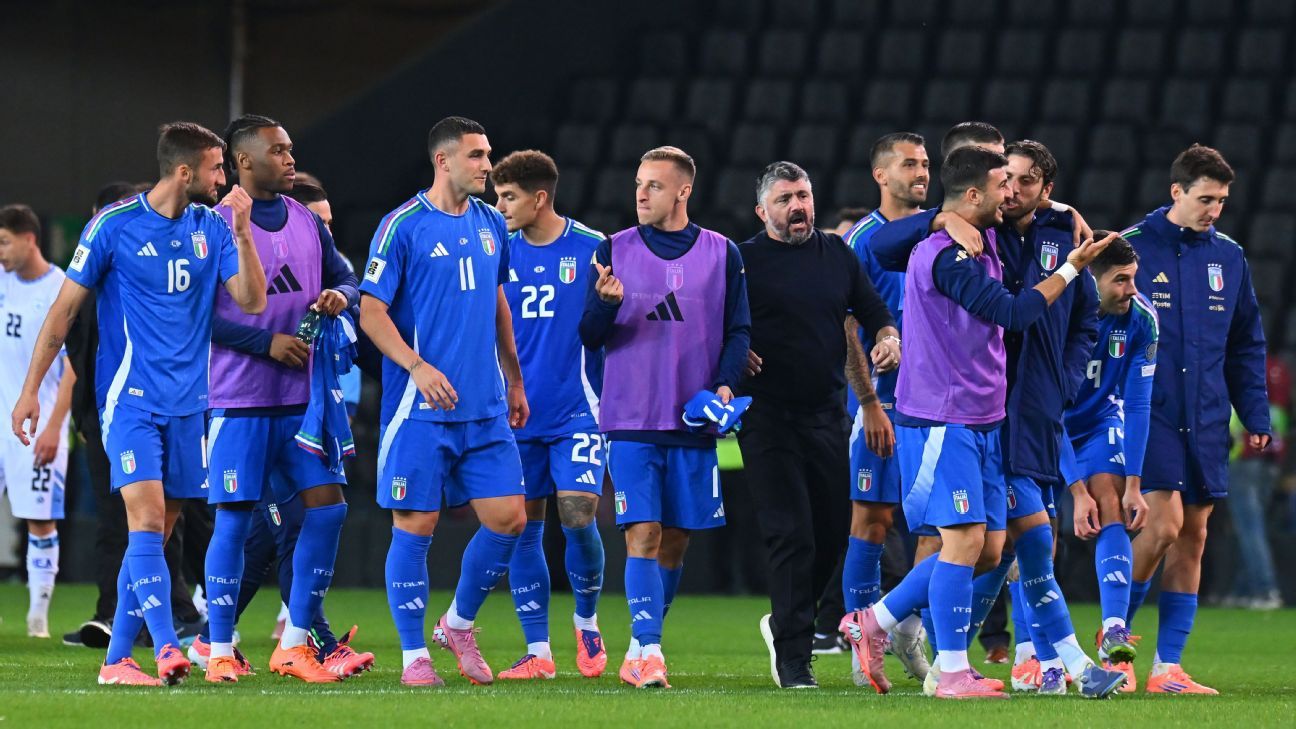
Italy faces a critical juncture in its footballing history, confronting the possibility of failing to qualify for a third consecutive FIFA World Cup. The upcoming playoff against Bosnia and Herzegovina carries significant weight, not only for the immediate future of the squad but also for the long-term strategic positioning of the Italian Football Federation (FIGC) and its commercial partners. The match in Zenica represents the culmination of a decade-long decline in international performance, placing unprecedented pressure on the current generation of players and management.
The Systemic Crisis: Generational Gaps and Commercial Devaluation
The stakes are amplified by historical context. While other footballing behemoths have previously missed two consecutive World Cups, a third consecutive failure for Italy would be unprecedented. This distinction highlights the systemic nature of Italy’s current crisis, moving beyond a temporary dip in form to suggest a fundamental shift in its competitive standing on the global stage. A potential failure to secure a spot in the 2026 tournament would trigger a re-evaluation of Italy’s status within FIFA and UEFA structures.
The situation has created a profound generational gap in fan engagement and player experience. An entire generation of Italian youth—specifically those under 15—has no memory of the national team participating in a World Cup. This lack of exposure to the pinnacle of international football impacts youth development pathways, fan loyalty, and the commercial appeal of the national team brand. The absence from major tournaments diminishes the aspirational value for young players and reduces the marketability of the sport within Italy.
The commercial implications extend beyond immediate revenue loss. The World Cup provides a crucial platform for national federations to secure high-value sponsorship deals and expand global brand presence. Missing three consecutive tournaments would significantly devalue the national team’s commercial rights, making it harder to attract premium sponsors and negotiate favorable broadcast agreements. The 2026 tournament’s location in North America offers unique market access opportunities that would be lost, further exacerbating the financial consequences for the FIGC.
Tactical Decisions and Player Psychology Under Pressure
For senior players like winger Matteo Politano, the pressure is intensely personal. At 32, Politano has yet to play in a World Cup, and he views this playoff as potentially his “last chance” to compete on the world’s biggest stage. This sentiment reflects the high-stakes environment for a generation of players who have largely missed out on a defining career experience. The psychological burden on these senior players, who are acutely aware of the historical significance of the match, introduces a significant variable in performance under pressure.
Manager Gennaro Gattuso’s decision to name an unchanged starting XI for the playoff match against Bosnia and Herzegovina reflects a strategic choice to prioritize stability and continuity over tactical adjustments. This approach suggests a belief that the existing structure and personnel are capable of handling the high-pressure environment, despite a less-than-convincing performance against Northern Ireland in the previous round. The reliance on a consistent lineup aims to mitigate uncertainty in a must-win scenario, focusing on established team chemistry rather than reactive changes.
The tactical setup, a 3-5-2 formation, places significant emphasis on midfield control and wing-back play. The source highlights midfielder Sandro Tonali as a key player who will be expected to “set the tone” for the match. In a high-stakes playoff environment, controlling the midfield battle is critical for dictating tempo and mitigating defensive exposure. The formation choice suggests a strategy focused on possession and preventing counter-attacks, particularly against a potentially resilient Bosnian side.
Bosnia and Herzegovina presents specific tactical challenges, notably through 40-year-old forward Edin Dzeko. Dzeko’s extensive experience playing in Serie A means he is well-known to Italy’s defenders, many of whom have been club teammates. This familiarity creates a double-edged sword: while Italy’s defense understands Dzeko’s tendencies, Dzeko also possesses intimate knowledge of their defensive weaknesses and communication patterns. The strategic battle between Dzeko’s experience and Italy’s defensive organization will be central to the match outcome.
Broader Impact on Global Football Dynamics
Italy’s potential failure to qualify for a third consecutive World Cup highlights a broader shift in the competitive landscape of European football. The increasing parity and tactical sophistication among smaller nations have made qualification for traditional powerhouses less certain. The source notes that Bosnia and Herzegovina also faced a challenging path, having narrowly defeated Wales in their semifinal. This suggests that the margin for error in European playoffs has diminished significantly, requiring traditional giants to maintain peak performance throughout the qualifying cycle.
The structural implications of Italy’s potential absence extend to FIFA’s global positioning. The World Cup relies heavily on the participation of traditional footballing nations to maintain its commercial appeal and historical narrative. The absence of Italy, a four-time winner, diminishes the tournament’s overall brand value and potentially impacts broadcast viewership in key European markets. The unprecedented nature of this potential failure would force FIFA and UEFA to reconsider qualification formats and support mechanisms for established footballing nations facing systemic challenges.
The comparison to historical precedent, specifically mentioning the pre-totaalvoetbal Dutch, underscores the long-term cycles of national team performance. While nations experience periods of dominance and decline, Italy’s current trajectory suggests a more significant structural issue than a typical downturn. The failure to adapt to modern tactical trends and develop new talent pipelines has placed Italy in a precarious position, threatening its long-held status as a global footballing force. The outcome of the playoff match will not only determine Italy’s presence in the 2026 World Cup but also serve as a definitive marker for the future direction of Italian football.