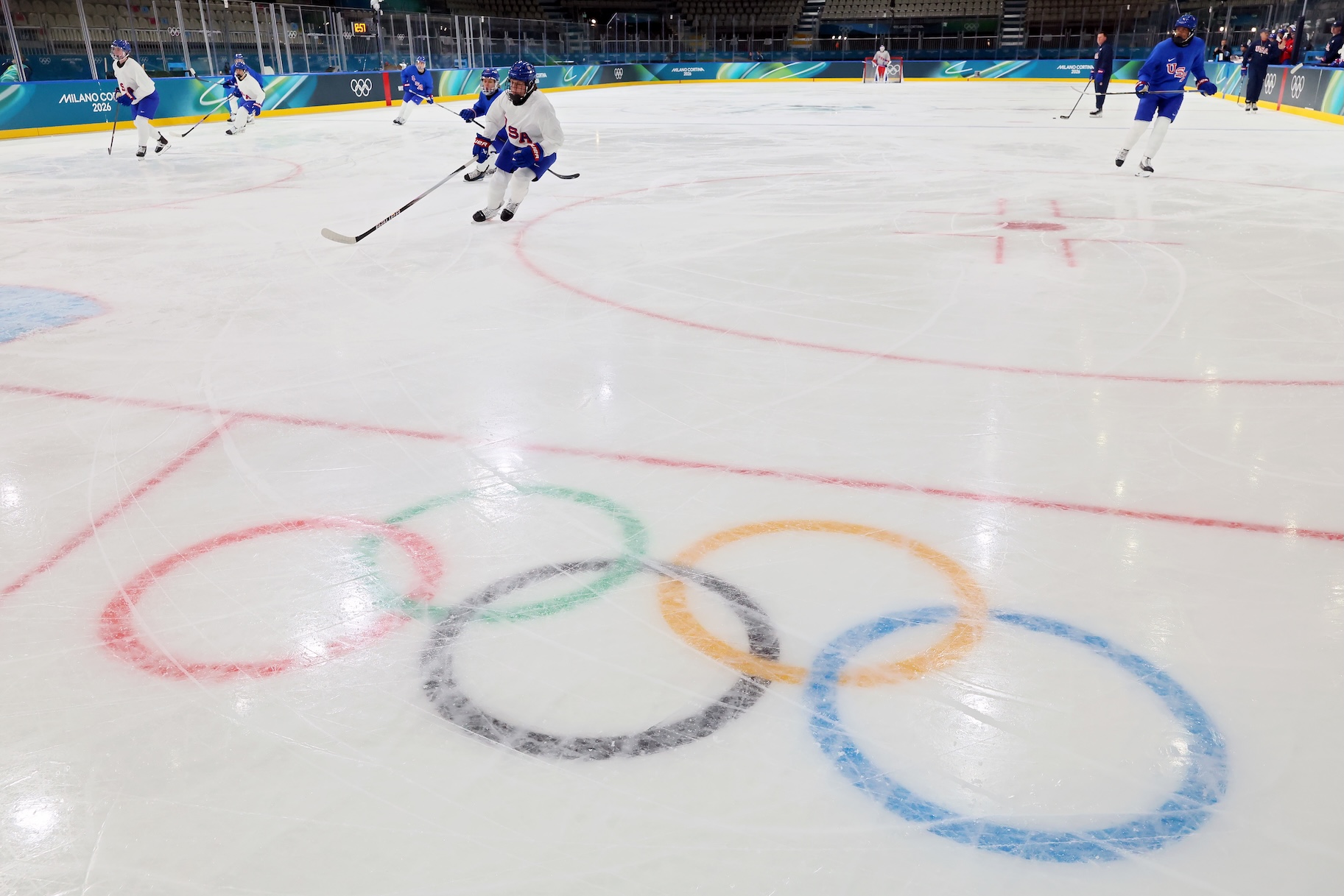
The Evolving Landscape of Olympic Ice Hockey for Milano Cortina 2026
The anticipation surrounding the men’s and women’s ice hockey tournaments at the Olympic Winter Games Milano Cortina 2026 is steadily building, with the complete schedule, including dates and times for each event, soon to be finalized and disseminated. This meticulous planning reflects the complex organizational framework required for such a high-profile international event, involving detailed coordination among various governing bodies and host city logistics to ensure seamless execution and global accessibility for audiences.
The management of an Olympic schedule involves a delicate balance of sporting integrity, athlete welfare, and global broadcast considerations. International sports federations, such as the International Ice Hockey Federation (IIHF), work in concert with the International Olympic Committee (IOC) and local organizing committees to allocate venues, sequence matches, and account for travel and rest days, particularly for teams competing in preliminary rounds, as exemplified by the planned USA vs. Finland women’s hockey preliminary round match.
A pivotal aspect of the upcoming Games, and one that represents a significant shift in recent Olympic history, is the implied return of National Hockey League (NHL) players to the men’s tournament. Following their consistent participation between 1998 and 2014, NHL players were notably absent from the Winter Olympics in Sochi (2014) and subsequent Games leading up to Milan in 2026. This period of non-participation had profound implications for the structure and competitive balance of national teams during those cycles.
The decision regarding NHL player involvement is a multifaceted negotiation involving several powerful stakeholders: the NHL, the NHL Players’ Association (NHLPA), the IIHF, and the IOC. The NHL’s primary concerns historically included the disruption to its regular season schedule, the risk of player injuries during the Olympic tournament without compensation for club teams, and the challenges related to marketing and intellectual property rights during a prime broadcast window. These commercial and logistical considerations often weighed heavily against the desire for global best-on-best competition.
Conversely, the NHLPA has consistently voiced its players’ strong desire to represent their respective countries on the Olympic stage, viewing it as a pinnacle of international hockey and a unique opportunity for global recognition. The IIHF, as the international governing body for ice hockey, champions the inclusion of the world’s top players to elevate the standard and appeal of the Olympic tournament, believing it crucial for the sport’s global development and its standing within the Olympic movement. The IOC, too, generally seeks the participation of elite professional athletes to enhance the overall prestige and viewership of the Games.
The historical periods of both participation and non-participation highlight the intricate governance mechanisms at play. When NHL players participated, complex agreements were required to address player insurance, travel costs, and revenue sharing, often involving the IOC and IIHF covering a substantial portion of these expenses. The absence of such agreements led to the hiatus, forcing national federations to construct rosters primarily from European leagues or non-NHL North American professional circuits. This often resulted in less predictable competitive outcomes and a different spectator experience, impacting media strategies and overall engagement with the sport during those specific Olympic cycles.
The anticipated return of NHL players for Milano Cortina 2026 therefore signifies a renewed consensus among these stakeholders, indicating successful negotiations around the complex financial, scheduling, and player welfare issues that previously created impasses. This development is expected to significantly elevate the profile and competitive intensity of the men’s tournament, rekindling the ‘best-on-best’ narrative that is highly valued by fans and broadcasters alike, and potentially driving increased viewership and commercial interest globally.
The Role of Advanced Analytics in Olympic Preparation and Media Coverage
Modern sports analysis, exemplified by tools like NHL EDGE puck and player tracker stats, is increasingly central to preparing for and understanding international tournaments. These advanced statistical methodologies provide granular data on player and puck movement, shot velocity, skating speed, and on-ice positioning, offering deep insights into individual and team performance. Such data is instrumental for coaching staffs in identifying ‘X-factors’ – those critical players whose unique skills or consistent performance can disproportionately influence game outcomes for their respective national teams.
The application of these analytics extends beyond internal team strategy; it forms a crucial component of contemporary media coverage. Specialized sports media outlets, such as NHL.com’s fantasy staff, leverage these data points to create engaging content that appeals to a diverse audience, from dedicated analysts to fantasy sports enthusiasts. By dissecting trends and storylines through an analytical lens, these platforms offer a deeper, data-driven narrative surrounding player performance and team potential. This approach reflects a broader industry shift towards data-informed storytelling, enhancing fan engagement and competitive understanding.
For national teams, the ability to analyze and benchmark players using such sophisticated metrics allows for a more objective and nuanced selection process, as well as tailored tactical adjustments. Understanding which players exhibit specific strengths under pressure or demonstrate consistent efficiency in key areas becomes paramount in a short-format, high-stakes tournament like the Olympics. This institutional adoption of advanced statistics underscores the professionalization of sport science and its direct impact on competitive strategy at the highest levels of international competition.
Furthermore, the media landscape for the 2026 Winter Olympics reflects a blend of traditional and digital approaches. Platforms like The Athletic offer live coverage, ensuring real-time updates and expert commentary on specific matchups, such as the women’s hockey preliminary round game between USA and Finland. This dedicated coverage highlights the growing demand for comprehensive, immediate, and analytical content, catering to a global audience that expects both broad schedules and in-depth analysis of individual games and player performances. The convergence of statistical analysis with live reporting creates a richer, more informed experience for viewers, reinforcing the strategic importance of media rights and content distribution in showcasing the Olympic spirit and athletic excellence.
The comprehensive approach to covering Olympic hockey, from detailed schedules to advanced analytics and specific game reporting, illustrates the multifaceted nature of modern sports broadcasting and event management. It reflects the continuous efforts of international sports organizations and media entities to enhance both the operational efficiency of the Games and the analytical depth of their coverage, ensuring that the spectacle of Olympic ice hockey remains a premier global event for athletes and fans worldwide.