Navigating Player Health in Elite Football: The Institutional Response to Injuries
The recent injury sustained by Newcastle United’s Anthony Gordon, reported as a hamstring problem during the Carabao Cup semi-final against Manchester City, highlights a fundamental operational challenge in professional football. Such incidents necessitate immediate activation of established medical and administrative protocols within a club’s infrastructure.
Elite football organizations maintain sophisticated multi-disciplinary medical departments, tasked with player welfare, injury prevention, and rehabilitation. These departments conduct rapid diagnostic assessments following an injury, employing advanced medical imaging and expert evaluation to determine the precise nature and extent of the issue. This initial phase is critical for establishing a prognosis and formulating a recovery plan.
Structured Rehabilitation and Performance Management
Following diagnosis, players like Gordon enter a structured rehabilitation program, meticulously designed by sports scientists, physiotherapists, and medical doctors. These programs are often highly individualized, integrating physical therapy, strength and conditioning, and gradual re-introduction to on-field activities, all monitored for adherence to strict return-to-play guidelines. The objective extends beyond mere recovery, aiming for a player’s full athletic capacity while mitigating the risk of re-injury.
The management of player injuries is not solely a medical undertaking; it is deeply integrated into a club’s broader performance strategy. The absence of key players can significantly impact team selection, tactical configurations, and overall match performance, requiring coaches to adapt their strategic approach and leverage squad depth. This dynamic is further complicated by the competitive schedule of professional football, which demands consistent availability from its playing staff.
Broader Implications for Squad Planning and Financial Prudence
Furthermore, injuries carry significant financial implications for clubs. Substantial investments are made in player acquisition and salaries, making player availability a crucial factor in realizing the return on these investments. Clubs often implement insurance policies to mitigate some of these financial risks, reflecting the professionalization of risk management within the sport. The structural planning for squad depth, therefore, implicitly accounts for potential periods of player unavailability due to injury or suspension.
Similarly, Brentford’s head coach Keith Andrews confirmed that Collins, Furo, and Nelson sustained knocks in training, indicating that injury management is a pervasive and ongoing concern across all professional clubs. These updates are a standard component of pre-match preparations, underscoring the continuous assessment of player readiness and the pervasive nature of physical demands placed on athletes in top-tier competition. The institutional mechanisms for addressing these challenges are standardized, reflecting league-wide commitments to player safety and competitive integrity.
Strategic Communication and Media Engagement in Professional Football
The dissemination of team news, including updates on player fitness, serves a multifaceted purpose within the highly scrutinized environment of professional football. Statements from head coaches, such as Eddie Howe for Newcastle United and Keith Andrews for Brentford, are not merely informative; they constitute a strategic element of club operations and public relations.
Club communication departments work in conjunction with coaching staff to manage the flow of information to media outlets and the general public. This involves a delicate balance between fulfilling media obligations, engaging the fanbase, and maintaining a competitive advantage. Coaches often calibrate the level of detail provided in injury updates to avoid giving opposing teams undue insight into their tactical weaknesses or potential starting lineups.
Media Relations Protocols and Public Discourse
Press conferences and official team statements are structured events governed by established media relations protocols. These platforms allow clubs to control their narrative, convey important information, and address public and media speculation regarding team performance and player availability. The regularity of these updates is integral to maintaining transparency with stakeholders while adhering to the strategic interests of the club.
The information shared, such as the specific details about Gordon’s hamstring problem or the knocks to Brentford players, informs pre-match analysis across various media platforms. Sports journalists, pundits, and fan communities then engage in detailed discussions that shape public perception and anticipation for upcoming fixtures. This structured interaction between clubs and media contributes significantly to the broader sports media ecosystem.
Regulatory Frameworks for Information Disclosure
Professional football leagues and governing bodies often have frameworks or guidelines concerning the disclosure of player information. While player privacy is paramount, there are often expectations regarding the provision of timely and accurate information to ensure competitive fairness and inform official league communications. This regulatory layer ensures a degree of standardization in how player status updates are handled across the league, balancing individual club interests with the collective integrity of the competition.
The timing and content of these announcements are carefully considered, aligning with broader club objectives, which range from managing supporter expectations to influencing betting markets. The transparency, or strategic ambiguity, around player fitness is therefore a calculated aspect of competitive management, reflecting the high stakes involved in every Premier League fixture.
The Competitive Dynamics of the Premier League: Stakes and Structural Implications
The upcoming Premier League fixture between Newcastle United and Brentford is more than an isolated sporting event; it is a critical component of the league’s complex competitive structure, with tangible implications for both participating clubs. The potential for Brentford to go level on points with sixth-placed Liverpool, and for Newcastle to ascend into the top half of the table, underscores the significant value placed on league position.
The Premier League operates on a merit-based system where points accumulation determines final standings, which in turn dictate a club’s trajectory in various dimensions. Higher league finishes directly correlate with increased financial allocations from the league’s central revenue distribution, which is predominantly derived from lucrative domestic and international broadcasting contracts and commercial agreements. This economic incentive drives intense competition throughout the season.
Qualification for European Competitions and Global Brand Exposure
Achieving a higher league position can also open pathways to qualification for prestigious continental competitions, such as the UEFA Champions League or Europa League. Participation in these tournaments offers not only additional substantial revenue streams through prize money and broadcasting rights but also significantly elevates a club’s global brand visibility and attractiveness to top-tier talent and sponsors. The pursuit of these positions is a cornerstone of long-term club strategy.
Conversely, a lower league finish can lead to reduced revenue, diminished attractiveness for player recruitment, and, in the extreme, relegation to lower divisions, which carries severe financial and reputational consequences. Therefore, every point contested in a Premier League match contributes to the overall strategic and economic health of a club, making fixtures like Newcastle vs. Brentford highly impactful beyond the immediate match result.
The Role of Match Outcomes in Club Trajectories
Individual match outcomes also significantly influence club morale, fan sentiment, and the perception of managerial performance. A victory can inject confidence and momentum, reinforcing positive organizational dynamics, while a defeat can prompt scrutiny and necessitate strategic reassessments. These outcomes feed into the continuous cycle of performance evaluation that characterizes professional sports management.
The league table itself is a living testament to the ongoing strategic battles between clubs, each vying for optimal positioning within the highly competitive ecosystem. It represents a clear, quantifiable measure of a club’s current operational effectiveness and its progress toward defined seasonal objectives. The structured nature of the league ensures that every match, regardless of the perceived stature of the teams involved, contributes to a larger narrative of competition and consequence.
The Broader Ecosystem of Professional Football: Media, Venues, and Governance
The forthcoming match between Newcastle United and Brentford, scheduled for a 5:30 pm GMT kick-off and broadcast live on Sky Sports from St James’ Park, illustrates the intricate interconnectedness of modern professional football’s commercial and operational ecosystem. These details are not incidental but are products of complex planning and strategic partnerships.
Broadcast agreements, such as the one held by Sky Sports, are the financial lifeblood of the Premier League, underpinning the economic viability of its member clubs. These multi-billion-pound deals for domestic and international broadcasting rights dictate match scheduling, including specific kick-off times, designed to maximize viewership across diverse time zones and target demographics, thereby optimizing advertising and subscription revenues. The influence of broadcasters extends to almost every aspect of the matchday experience.
Stadia as Institutional and Community Hubs
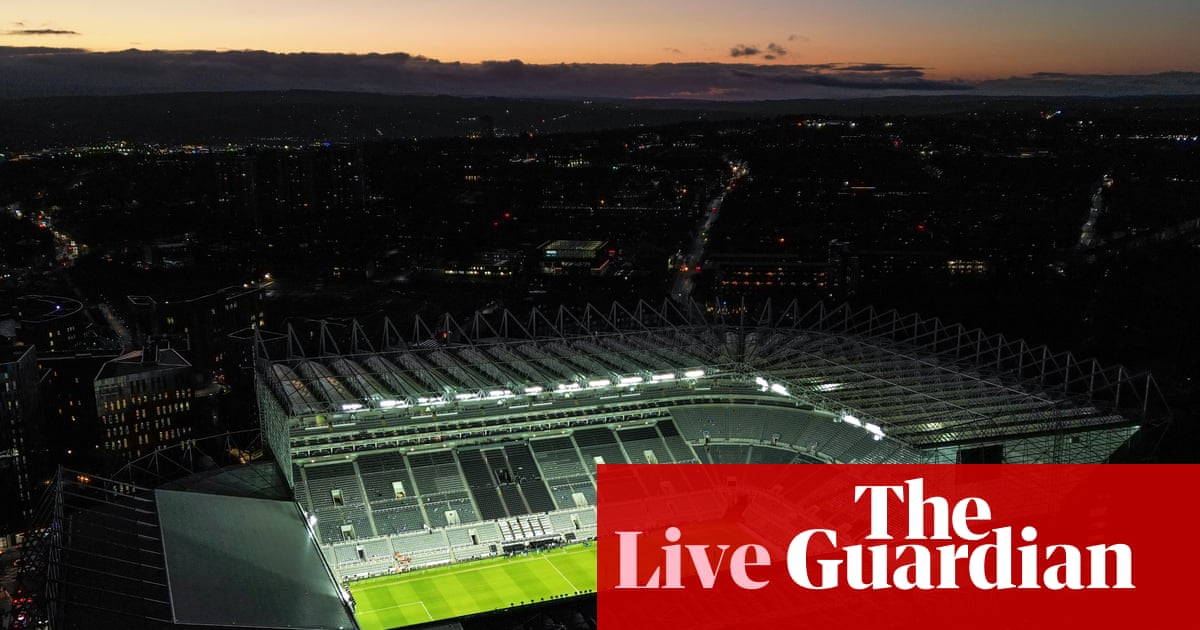
St James’ Park, as the host venue, embodies the rich institutional history and cultural significance of Newcastle United. Professional football stadia serve as more than just arenas for sport; they are significant economic assets, community hubs, and symbols of club identity. Their operations involve extensive logistical planning, encompassing crowd management, security protocols, hospitality services, and a substantial economic impact on local economies.
The concept of ‘home advantage’ is also structurally embedded within football culture, leveraging fan support and familiarity with the playing environment as tangible factors influencing match outcomes. The vibrant atmosphere generated by home supporters is an integral part of the matchday experience, contributing to both sporting performance and the commercial appeal of the fixture.
Governance and Regulatory Oversight of the Premier League
The entire framework within which these events unfold is governed by the Premier League, operating under the broader regulatory umbrella of The Football Association (FA) and international bodies like FIFA and UEFA. This layered governance ensures fair competition through established rules, financial regulations (e.g., profitability and sustainability rules), and disciplinary procedures. These regulations are designed to maintain the integrity of the competition and safeguard the interests of all stakeholders, from clubs to supporters.
Match officials, stadium security, and medical personnel operate within these regulatory frameworks, adhering to standardized procedures that guarantee safety and fair play. The allocation of broadcast slots, the scheduling of fixtures, and the enforcement of competition rules are all products of this structured governance, ensuring consistency and accountability across the league.
Editorial Synthesis: The Interconnectedness of Modern Football Operations
The reported player injuries, coupled with strategic team news updates and the broader competitive context of a Premier League fixture, offer a microcosm of the complex operational and strategic landscape of modern professional football. These seemingly disparate elements are, in reality, deeply integrated components of a sophisticated institutional ecosystem.
From the precise medical protocols activated for a player like Anthony Gordon, reflecting significant investments in sports science and player welfare, to the carefully managed communication strategies employed by coaches, every action is a calculated maneuver within a high-stakes environment. These internal club mechanisms directly impact external perceptions and competitive outcomes.
The Premier League’s structured competition, driven by lucrative broadcast agreements and the pursuit of European qualification, transforms every match into a critical juncture with far-reaching financial and reputational implications. The infrastructure of stadia and the overarching regulatory frameworks provide the stable, yet intensely competitive, platform upon which these dramas unfold.
Ultimately, these documented facts underscore that contemporary football is a meticulously organized industry where athlete health, strategic communication, economic incentives, and robust governance converge. Each component plays a vital role in sustaining the league’s global appeal and ensuring its operational integrity, highlighting a perpetual interplay between athletic performance, business acumen, and institutional oversight.