Regulatory Arbitrage: Exploitating the Three-Batter Minimum
The Atlanta Braves’ 4-2 victory over the Philadelphia Phillies demonstrates a sophisticated application of lineup theory designed to capitalize on Major League Baseball’s regulatory framework. By sequencing Drake Baldwin and Matt Olson—both left-handed power threats—ahead of Austin Riley and switch-hitter Ozzie Albies, manager Walt Weiss creates a tactical trap. This specific arrangement weaponizes the three-batter minimum rule, forcing opposing managers into a structural disadvantage where deploying a left-handed specialist against Baldwin and Olson necessitates an unfavorable matchup against the right-handed bats of Riley and Albies.
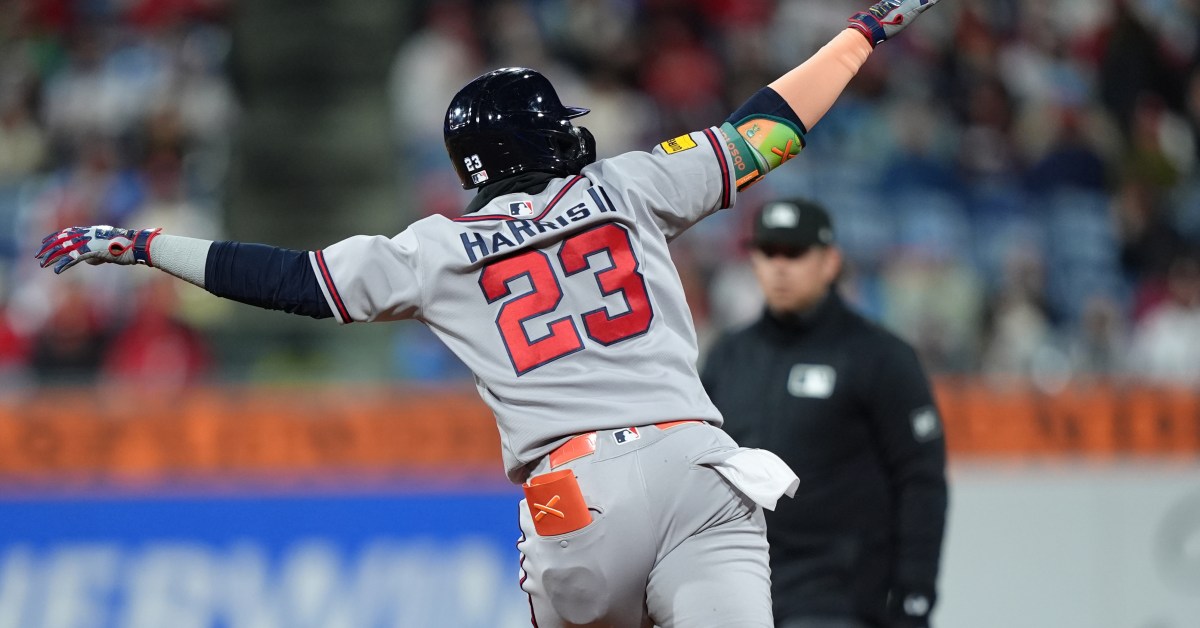
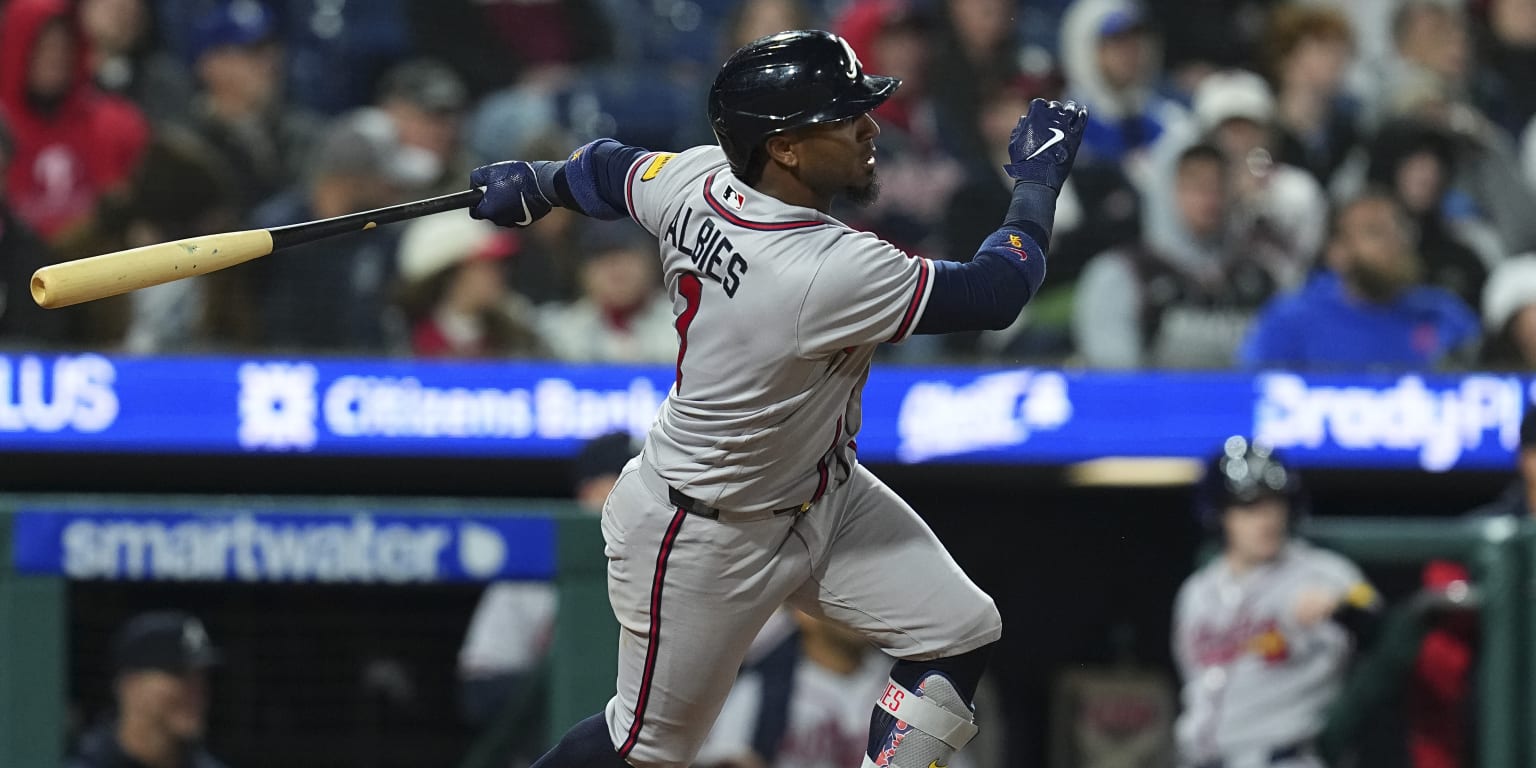
This strategic payoff was evidenced in the fifth inning of the series finale. The Phillies introduced left-handed reliever Tim Mayza to navigate the heart of the order, but due to mandatory minimums, he was forced to face Albies. Batting from the right side, Albies delivered a go-ahead RBI double, illustrating how Atlanta’s roster construction systematically nullifies traditional relief archetypes. This efficiency has propelled Atlanta to an MLB-leading 122 runs, proving that their offensive output is insulated against standard pitching substitutions.
Macro-Performance Metrics and Divisional Leverage
Atlanta’s 15-7 start is underpinned by elite run prevention, characterized by a league-leading 2.66 team ERA. This performance floor mitigates game-to-game variance and has rapidly generated a five-game cushion in the National League East. The sweep at Citizens Bank Park—Atlanta’s first since 2016—serves as a quantitative indicator of the widening competitive gap within the division. While the Phillies faltered during a 2-7 homestand, the Braves demonstrated superior roster depth, outscoring their rivals 16-3 over the three-game set.
The mathematical significance of this early-season separation is profound. With no other MLB division leader currently holding a lead larger than 0.5 games, Atlanta’s 5-game margin grants the front office exceptional strategic flexibility. This lead allows for optimized workload management for the pitching staff and provides a high-leverage position for potential mid-season roster augmentations.
Technological Integration: The ABS Challenge System
The series also highlighted the growing influence of the Automated Ball-Strike (ABS) system on plate discipline and game flow. Ozzie Albies’ successful challenge of a strike call high in the zone exemplifies how elite hitters are now utilizing technological intervention to extend plate appearances. While the ABS system does not replace the fundamental necessity of execution—as seen in Albies’ subsequent strikeout in the same frame—it significantly rewards hitters with superior zone awareness.
Hitters like Mauricio Dubón, who utilized the system during a 10-pitch at-bat, demonstrate that the challenge system is becoming a standard operational component of modern baseball. For the Braves, the ability to integrate these technological variables while maintaining offensive momentum suggests a high degree of organizational preparation, effectively increasing the pitch counts of opposing starters and accelerating the exposure of the Phillies’ bullpen.
Defensive Suppression and Relief Reliability
The Braves’ pitching success is anchored by a resilient rotation and a disciplined bullpen. Grant Holmes’ recovery after a two-run first inning, featuring a Kyle Schwarber home run, reflects a psychological stability that prevents early-inning volatility from derailing the contest. This was complemented by Tyler Kinley’s efficient sixth inning and Raisel Iglesias’ fifth save, the latter facilitated by the defensive range of Ronald Acuña Jr. in right field.
Conversely, the Phillies’ inability to convert late-game opportunities from Trea Turner and Schwarber underscores a systemic failure in situational hitting. Over their last 13 games, Philadelphia has struggled with consistency, whereas Atlanta’s pitching staff has maintained an elite capacity for run suppression, which remains the primary engine of their current five-game winning streak.
Conclusion: The New Divisional Power Dynamic
The Phillies’ 6.5-game deficit and a -23 run differential over their recent homestand indicate a potential crisis for a roster built for immediate contention. The strategic innovations employed by Atlanta, ranging from lineup sequencing to technological mastery, have forced the rest of the NL East into a reactive posture. As the Braves continue to lead the league in both run production and ERA, they are not merely winning games; they are redefining the terms of engagement through superior roster management and analytical application.