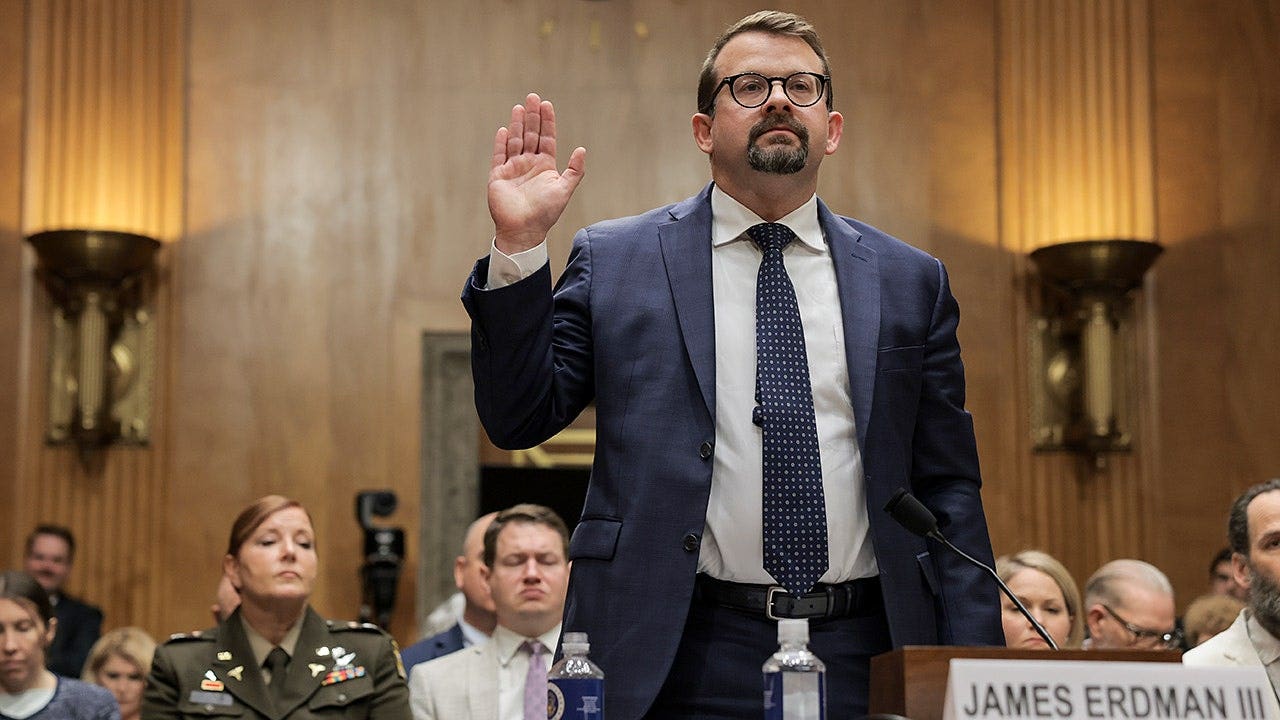
The testimony of James Erdman III before the Senate Homeland Security and Governmental Affairs Committee signals a significant rupture in institutional transparency. As a twenty-year veteran of the Central Intelligence Agency (CIA) and a member of the Director’s Initiatives Group (DIG), Erdman’s allegations suggest that the intelligence lifecycle—specifically the transition from raw analytical synthesis to finalized reporting—was compromised by top-down narrative constraints.
Erdman asserts that between 2021 and 2023, scientific analysts within the CIA repeatedly concluded that a laboratory leak was the most probable origin of the COVID-19 pandemic. The subsequent exclusion of these findings from reports delivered to the Office of the Director of National Intelligence (ODNI) and Congress indicates a bottleneck in the intelligence flow, where technical consensus was superseded by strategic or political filtering.
The Director’s Initiatives Group and Institutional Friction
The DIG serves as an inter-agency coordination node, intended to synthesize multi-source data for executive consumption. Erdman’s position provided visibility into how disparate data points were either integrated or marginalized. The alleged suppression reflects ‘epistemic closure,’ where institutional incentives to maintain a specific narrative—potentially to avoid diplomatic friction or domestic polarization—outweighed the mandate for objective reporting.
This discrepancy creates a crisis of legislative oversight. When the executive branch filters intelligence to ensure narrative consistency, it denies Congress the ‘full and current’ briefings required under the National Security Act. Consequently, the legislative branch becomes reliant on whistleblower disclosures to reconcile the gap between public-facing assessments and internal analytical conclusions.
Strategic Timing and the Risk of Information Capture
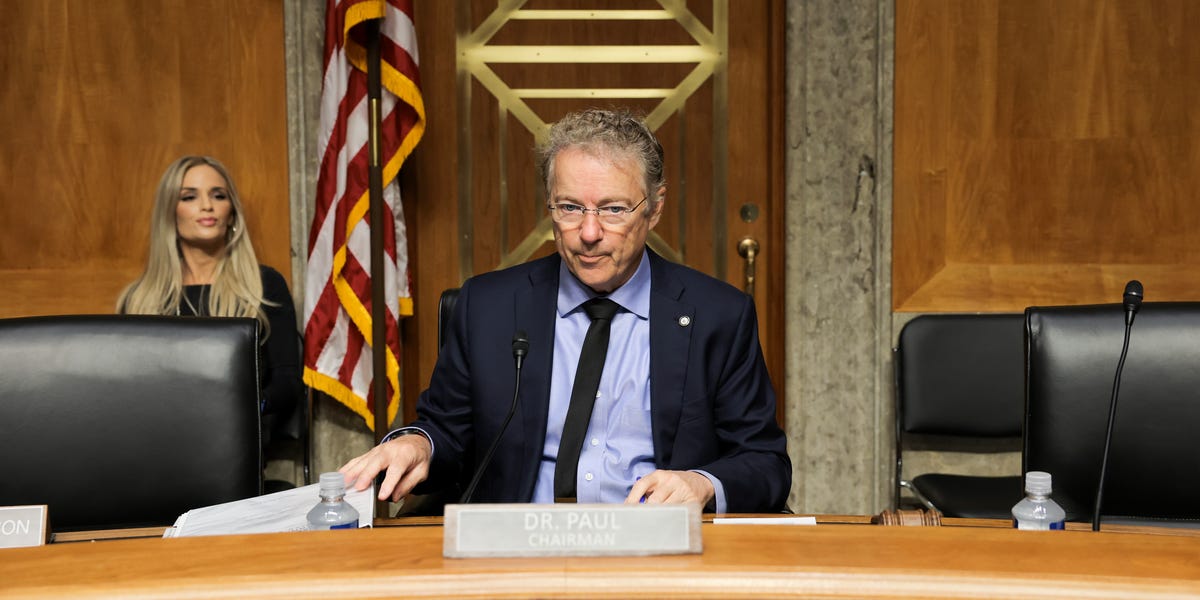
The timing of the testimony, occurring after the 2024 election cycle, suggests a strategic calculation to insulate the proceedings from immediate electoral volatility. Senator Rand Paul’s emphasis on Erdman’s ‘personal risk’ underscores the vulnerability of career professionals who challenge agency-wide stances. This delay highlights the tension between the executive branch’s classification powers and the public’s right to accountability.
Furthermore, the methodical use of subpoenas by the Senate Committee suggests that this disclosure was the culmination of a broader investigation into government impunity. The focus on the intersection of scientific advice and intelligence reporting—illustrated by the committee’s inquiries into Dr. Anthony Fauci’s influence—points to a strategic intent to map the extent of cross-departmental information management.
Systemic Implications for Pandemic Preparedness
Critics argue that investigating origins is secondary to operational public health responses; however, the committee maintains that the source is foundational to biosecurity policy. If intelligence was manipulated to downplay lab-leak possibilities, it directly affects the regulation of gain-of-function research and global biosafety protocols. The failure to accurately report these risks leaves the nation vulnerable to ‘groupthink,’ reducing the diversity of thought essential for accurate threat assessment.
Ultimately, Erdman’s testimony places the CIA and ODNI under intense scrutiny. If analytical integrity was sacrificed for narrative alignment, the resulting loss of credibility could undermine future intelligence products on unrelated global threats. The resolution of these claims will likely dictate future legislative reforms aimed at ensuring that raw technical findings are more transparently communicated to oversight committees, preventing the consolidation of information into a curated ‘official narrative.’