
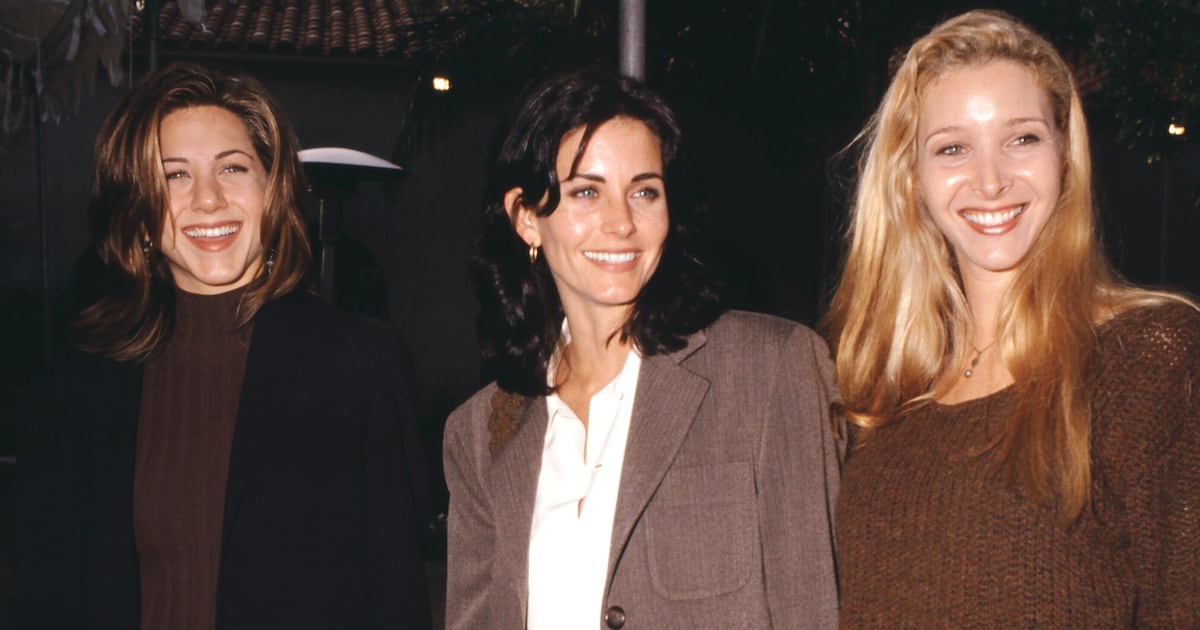
The recent disclosure by Lisa Kudrow regarding her cessation of neurotoxin treatments represents a sophisticated recalibration of professional longevity. At 61, the Emmy-winning actress has identified a critical friction point between cosmetic intervention and the biomechanical requirements of her craft, citing adverse physiological reactions—specifically chronic ocular inflammation and irregular dermal patterns—as the primary catalysts for her exit from the Botox market.
This decision transcends personal wellness, functioning as a strategic response to the operational hazards that aesthetic ‘maintenance’ poses to an actor’s primary asset: kinetic facial expressivity. For Kudrow, the emergence of localized inflammation necessitated the use of sunglasses during media engagements, illustrating how the side effects of cosmetic medicine can inadvertently disrupt the logistical and promotional workflows of a global entertainment career.
The Operational Risks of Kinetic Interference
The technical failure of neurotoxins in this instance reveals a misalignment between pharmaceutical objectives and individual biological variability. Kudrow’s observation of a ‘weird pattern’ on her forehead suggests a failure in the uniform distribution of the toxin, which compromises the visual continuity essential for high-definition cinematography. In an industry where subtle facial nuance is the fundamental currency of narrative delivery, the trade-off between wrinkle suppression and functional irritation has become an unsustainable risk for veteran talent.
Furthermore, the necessity of concealing these reactions during industry-facing interviews highlights the reputational exposure inherent in visible cosmetic complications. When interventions designed to optimize a public image instead require physical concealment, their strategic utility is neutralized, necessitating a return to biological transparency.
Market Bifurcation and the ‘Prejuvenation’ Paradox
Kudrow’s divestment from the Botox market contrasts sharply with the contemporary surge in ‘preventative’ applications among younger demographics. While industry data shows an increase in practitioners treating clients as young as 16, Kudrow’s experience serves as a high-profile case study in the long-term biological costs of these interventions. This market expansion seeks to maximize the lifetime value of the consumer, yet the cautionary data from established performers suggests a potential ceiling for the sustainability of neurotoxin dependency.
The institutionalization of ‘prejuvenation’ creates a synthetic baseline for aesthetic expectations. However, Kudrow’s pivot suggests that for elite performers, the preservation of expressive agency remains a more valuable long-term asset than the temporary suppression of chronological markers.
Strategic Rebranding through Authentic Aging
By articulating an enthusiasm for ‘playing older roles,’ Kudrow is executing a calculated shift in her professional positioning. Moving away from Hollywood’s traditional obsession with perpetual youth, she is aligning her physical brand with the increasing demand for mature, complex characters in prestige television. This move challenges the incentive structures that penalize aging, suggesting that authenticity offers a distinct competitive advantage in a market saturated with uniform aesthetic interventions.
The psychological transition from fearing the loss of youth to embracing the utility of a natural appearance reflects a broader shift in talent management. Kudrow’s prioritization of health-centric functionality over cosmetic perfection signals a maturation of the ‘celebrity brand,’ where durability is achieved through role-appropriate realism rather than artificial preservation.
Institutional Implications for the Cosmetic Sector
Kudrow’s public rejection of neurotoxins creates a significant ripple effect within the aesthetic medicine ecosystem. As high-net-worth influencers divest from these procedures due to functional failure, consumer confidence in the ‘benign’ nature of these treatments may face increased scrutiny. This transparency forces a reevaluation of patient-provider interactions, emphasizing the need for nuanced protocols that account for the professional requirements of high-profile clients.
Ultimately, Kudrow’s trajectory from a ‘Friends’ legacy star to a pragmatic veteran actress underscores the complex intersection of health, aesthetics, and career strategy. Her commitment to a natural aesthetic likely secures her position in a growing niche for authentic mature performances, ensuring her continued viability in an evolving media landscape where physical flexibility is a prerequisite for narrative depth.

Photo by Martijn_0716 on Pixabay.