Strategic Maturation of the Jamaican Diaspora
The 64th anniversary of Jamaican Independence in August 2026 represents a definitive transition for the diaspora from informal community engagement to structured institutional leverage. The simultaneous scaling of the inaugural Jamaica Rising Day Parade in Brooklyn and the formalization of Jamaican Cultural Day in Atlanta reflect a sophisticated evolution in how Caribbean-American communities interface with municipal governance. This shift indicates a community leveraging its demographic weight to secure permanent civic recognition and economic visibility within major U.S. metropolitan frameworks.
Brooklyn: Logistical Engineering and Administrative Recognition
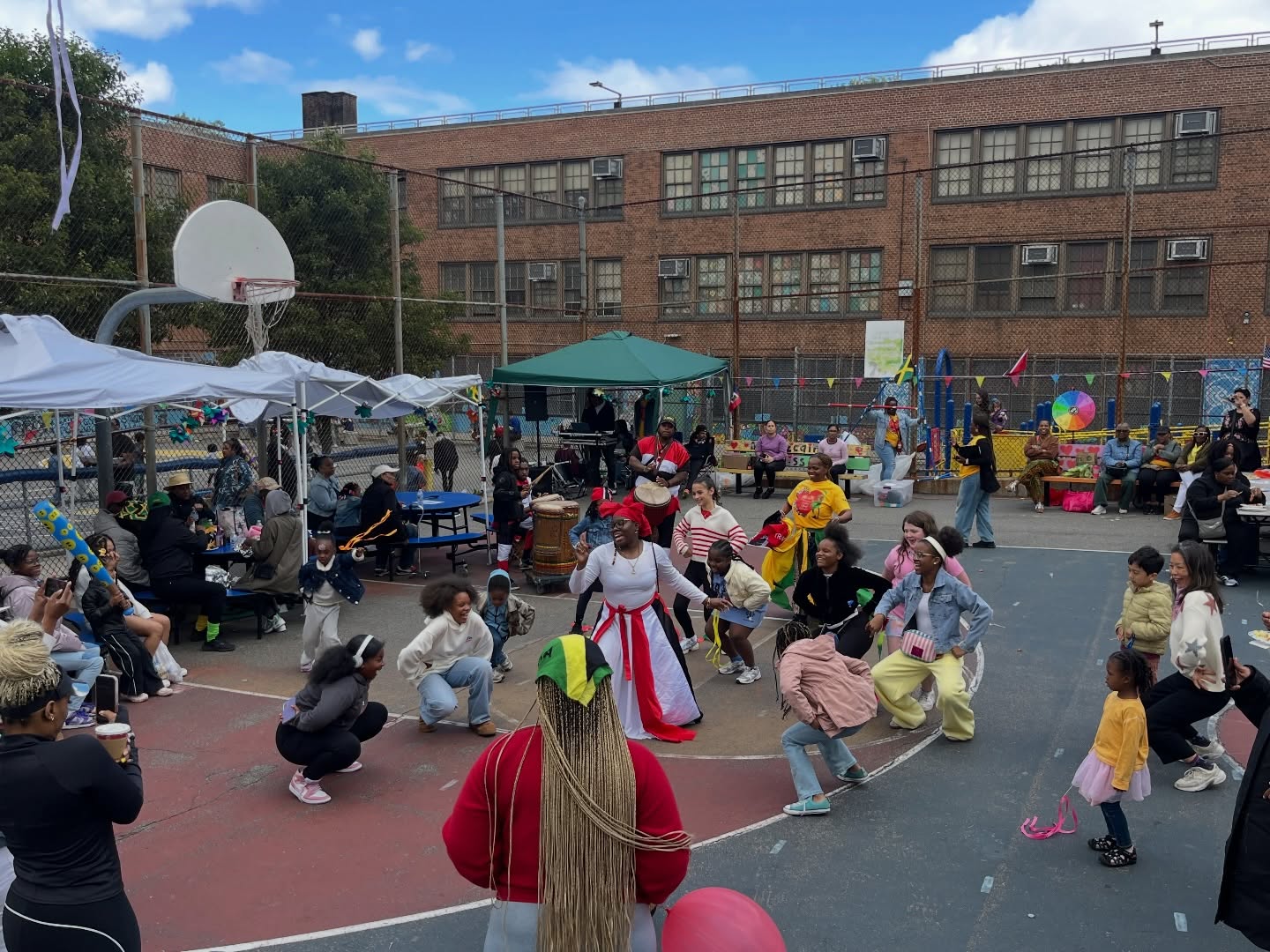
The launch of the Jamaica Rising Day Parade in Flatbush is not merely a cultural expansion but a calculated entry into New York City’s administrative and public events calendar. By coordinating with city officials and public agencies, the Founding Committee has transformed a local initiative into a high-stakes civic milestone. The transition toward rigorous logistical standards—prioritizing crowd safety and sustainable permitting—demonstrates the professionalization required to maintain a long-term presence in a competitive urban landscape.
Operational adaptability is evidenced by the strategic recalibration of the parade route. As announced by Lawman Lynch, moving the starting point to the intersection of Church Avenue and Ocean Avenue—and proceeding north toward Lincoln Place—accommodates higher pedestrian density while mitigating the risks of narrower corridors. This logistical pivot, necessitated by the viral response noted by Chairman Bill Tinglin, illustrates the interface between community mobilization and urban planning. Terminating near Empire Boulevard further aligns the event with a strategic commercial corridor, maximizing the economic footprint within Brooklyn’s Caribbean enclave.
Atlanta: Data-Driven Political Capital
In Georgia, the Fulton County proclamation designating August 8, 2026, as Jamaican Cultural Day marks a significant acquisition of political capital. This recognition is underpinned by empirical demographic data provided by the Atlanta Regional Commission, which identifies Jamaican-born residents as the region’s largest Caribbean population. By grounding cultural recognition in data, the diaspora establishes a factual foundation for future resource allocation and policy advocacy.
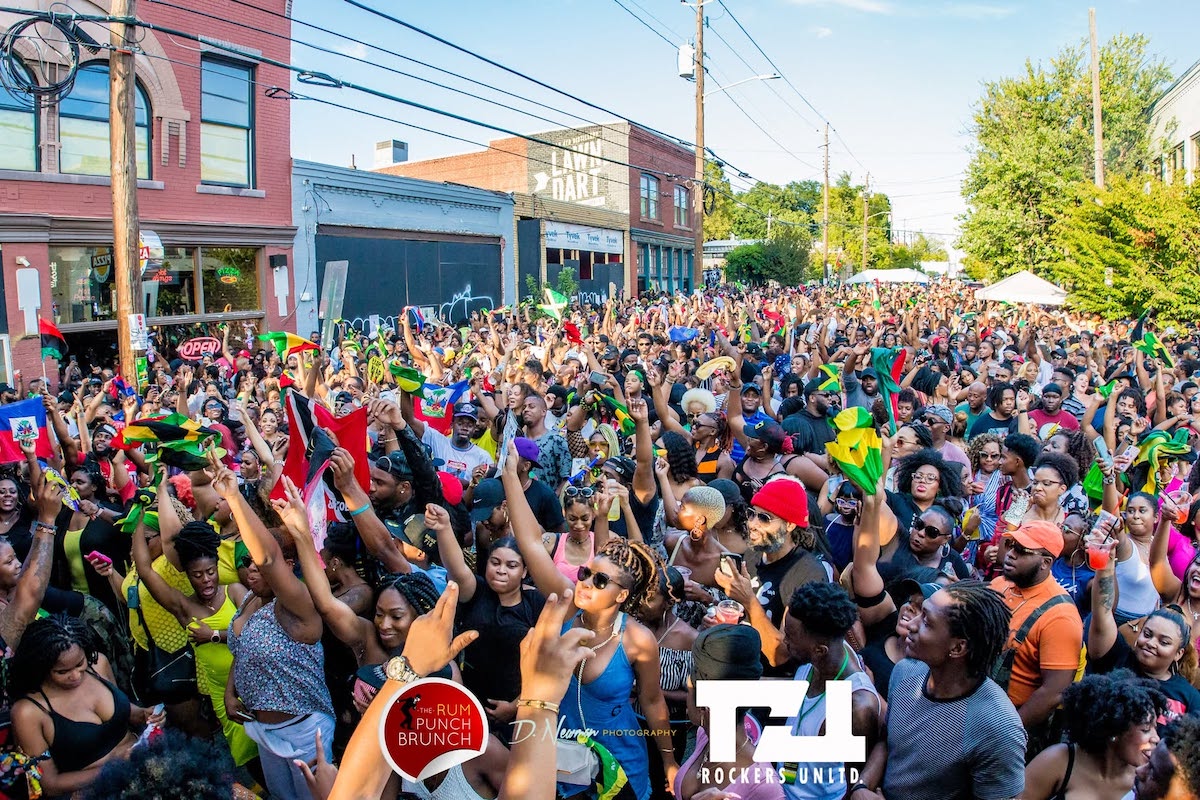
The integration of the ‘Street Dance’—anchored by the Rum Punch Brunch model—serves as the commercial engine for this political recognition. By blending cultural authenticity with modernized event marketing, organizers ensure the celebration remains economically viable and relevant to a multi-generational demographic. This hybrid approach allows the diaspora to maintain social cohesion while expanding its market influence within Atlanta’s internationally connected economy.
Global Branding and Cultural Diplomacy
The strategic use of the ‘black, green, and gold’ visual identity, reinforced by UNESCO’s recognition of Reggae, elevates these regional events into components of a global cultural brand. This branding facilitates brand activation for stakeholders in the hospitality and entertainment sectors, turning cultural heritage into a resilient economic ecosystem. Beyond the economic peak, these celebrations function as sub-national cultural diplomacy, strengthening bilateral ties and asserting the Jamaican community’s role as an essential component of the American social and political fabric.