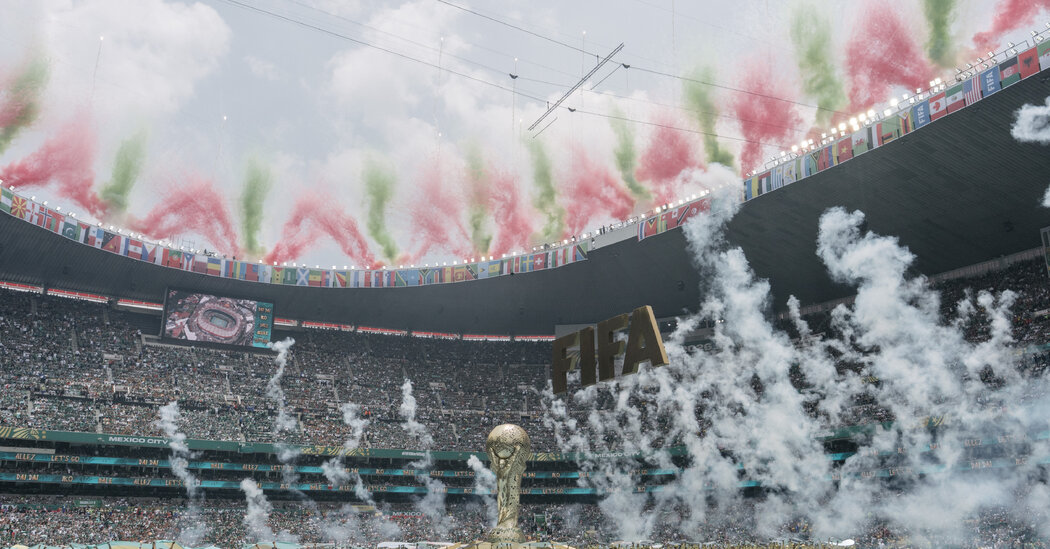
The Structural Divergence of the 48-Team Expansion
The 2026 FIFA Men’s World Cup in North America serves as a case study in the friction between competitive merit and regional accessibility. While the expansion to a 48-team format was designed to democratize the tournament, the exclusion of high-ranking nations like Italy (No. 12) highlights a significant systemic disparity. In contrast, Qatar (No. 56) secured its position by navigating a continental pathway engineered for iterative recovery.
AFC’s Tiered Resilience vs. UEFA’s Zero-Sum Bottleneck
Qatar’s qualification stems from the Asian Football Confederation’s (AFC) multi-tiered structure, which provides several safety nets for mid-tier nations. After finishing fourth in the third round—a position that typically triggers elimination in condensed formats—the AFC’s institutional design allowed Qatar to advance to a supplementary stage. By defeating the UAE and drawing with Oman, Qatar effectively exploited a high-volume schedule to bypass direct qualification failures.
Conversely, the Union of European Football Associations (UEFA) maintains a high-stakes environment where a single lapse in performance results in total exclusion. This administrative bottleneck creates a strategic vacuum, as the absence of the Italian market removes a high-viewership demographic and premium sponsorship capital from the North American commercial landscape.
Institutional Incentives and Demographic Shifting
The logic behind the 48-team expansion was to maximize global reach, yet it has inadvertently exposed an unevenness in continental difficulty. For FIFA and its partners, the inclusion of teams like Qatar over traditional giants shifts the operational focus from capturing European footballing capital to engaging with the emerging sports economy of the Middle East. This transition forces a reevaluation of ‘elite’ status when the world’s 12th-best team is sidelined by the 56th due to confederation-specific barriers.
Macro-Environmental Challenges: Geopolitics and Economics
The tournament is unfolding amidst significant regional volatility. Security protocols have been heightened following military friction in the Strait of Hormuz involving AFC-region participants. These geopolitical tensions place a logistical burden on host cities to ensure that international conflicts do not disrupt the administrative framework of the 104-match schedule.
Simultaneously, domestic economic pressures in the United States—driven by three months of accelerating inflation as of May 2026—threaten match-day revenues. Escalating energy costs have inflated airline fares, placing a greater burden on local North American audiences to sustain the tournament’s financial targets as international travel becomes cost-prohibitive for many global fans.
Legal Flux and Governance Evolution
Beyond the pitch, the 2026 World Cup coincides with a complex legal landscape in the U.S., characterized by shifting visa policies and administrative scrutiny. The striking down of high-cost labor requirements has altered the logistics of the international workforce needed to manage the tournament’s massive scale. Ultimately, the success of 2026 will be judged by the organizers’ ability to balance this inclusive, less meritocratic structure against a backdrop of economic, legal, and geopolitical instability.