Monetizing Ideological Positioning: The Commercialization of Athlete-Led Discourse
The rapid sell-out of Sophie Cunningham’s Adidas Crazy Energy PE shoes on July 24 serves as a critical case study in the monetization of ideological positioning within professional women’s sports. This commercial performance transcends traditional athlete endorsements, indicating a shift where consumer behavior is increasingly driven by ‘cultural arbitrage.’ For sponsors, the depletion of inventory suggests that high-profile athlete alignment with specific social or political stances can catalyze immediate market demand, particularly when product launches coincide with peak media cycles and national policy debates.
Transnational Advocacy and the Cost of Operational Friction
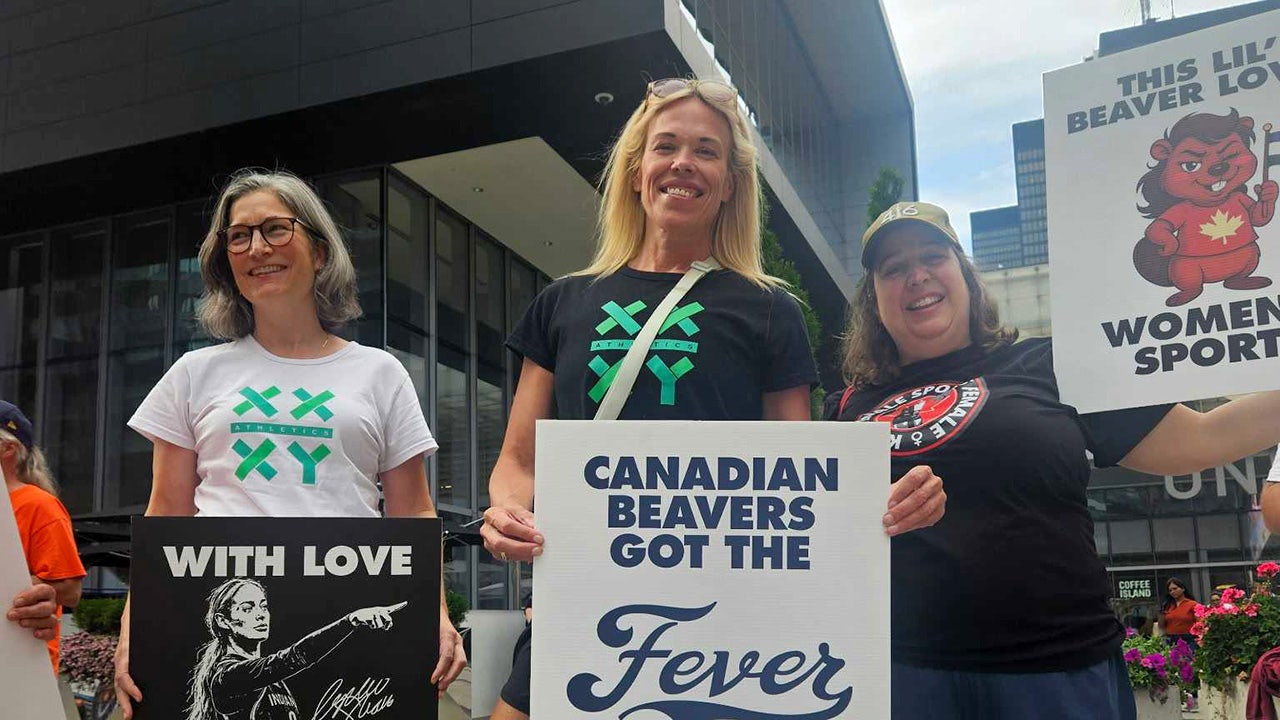
The demonstration led by Canadian powerlifting champion April Hutchinson at Scotiabank Arena marks a pivotal moment in the internationalization of WNBA policy debates. This cross-border advocacy highlights that the discourse surrounding participation eligibility is no longer a domestic U.S. issue but a globalized strategic concern. However, this expansion introduces significant operational friction; the logistical burden on arena operators and local law enforcement to manage political speech in privately-managed public spaces represents a growing administrative overhead for the league’s international expansion efforts.
Institutional Resilience and the Dual-Track Athlete Reality
The WNBA currently navigates a ‘dual-track reality’ where it must balance institutional inclusivity mandates against the individual platforms of its athletes. Sophie Cunningham’s public request to refocus on athletic performance, while simultaneously leveraging her visibility, exemplifies the modern athlete’s role as both a competitor and a brand entity. This dynamic forces the league’s governance framework to transition from centralized corporate messaging to a more decentralized, reactive model that must account for the diverse viewpoints of its workforce without compromising brand equity.
Regional Sentiment Variability: A Case Study in Market Polarization
Fan reception in Toronto—marked by a mixture of hostility and support—contrasts sharply with the more uniform positive reception in Atlanta, illustrating the regional variability of market sentiment. For the WNBA, this geographic divergence complicates the construction of a unified national identity. Cunningham’s strategy of reframing ‘boos’ as a form of high-intensity engagement suggests a sophisticated approach to psychological resilience, turning polarization into a metric of fan investment rather than purely a reputational risk.
Strategic Implications for Brand Alignment and Narrative Control
The professionalization of advocacy, signaled by the involvement of third-party groups and specialized apparel brands, introduces a new layer of risk for corporate partners. As the narrative shifts from performance to policy, the WNBA must pivot its communication strategies to ensure the core product—professional basketball—remains the primary value proposition. The ‘Cunningham Effect’ demonstrates that while controversy can drive short-term commercial spikes, long-term institutional stability depends on the league’s ability to maintain a cohesive environment amidst an increasingly fragmented cultural landscape.