FIFA 2026: Strategic Draw Architecture Yields Elite Semifinalists
The 2026 FIFA World Cup has achieved a unique structural milestone, with the tournament’s four highest-ranked nations—Spain, Argentina, France, and England—securing semifinal berths. This outcome, unprecedented since the inception of the FIFA Rankings, was facilitated by a modified draw mechanism designed to optimize competitive prestige.
Methodological Engineering of the Bracket
FIFA’s 2026 draw implementation focused on compartmentalizing the top four seeds into opposite halves of the knockout bracket. By strategically placing these powerhouses in distinct quadrants, the governing body effectively removed the possibility of intra-elite clashes prior to the semifinal round, provided each nation navigated their group stage successfully.
Group Stage Compliance and Structural Success
The draw’s success remained contingent upon field performance; each of the top four seeds was required to secure first place in their respective groups. Upon doing so, their predefined knockout paths were activated. This system transformed the group stage into a critical filter, where the top teams effectively ‘protected’ their designated bracket progression by avoiding early upsets.
Commercial and Competitive Implications
From an organizational perspective, this structural shift addresses the dual requirements of competitive integrity and marketability. By ensuring high-stakes, marquee matchups in the terminal phases of the tournament, FIFA maximizes broadcast viewership and sponsorship value. This orchestration aligns with the commercial imperative to showcase top-tier talent during the event’s most viewed windows.
Synthesis of Systemic Design and Individual Talent
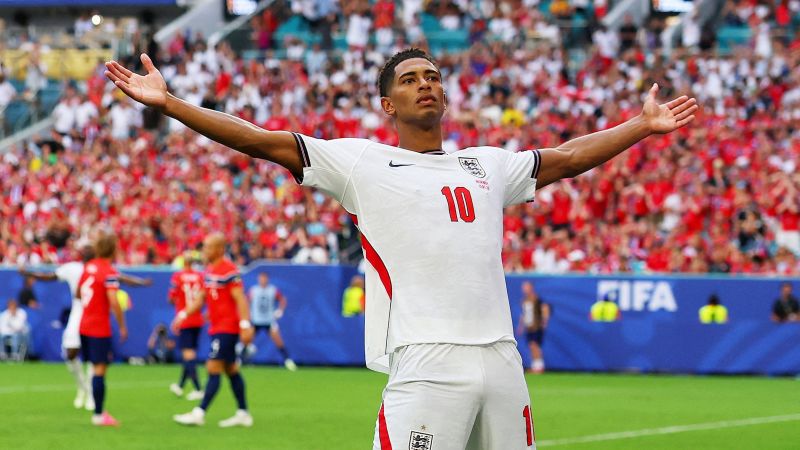
While the draw provided a favorable framework, the outcome remained subject to individual performance variances. Tactical moments, such as Jude Bellingham’s critical contributions for England and Julián Álvarez’s decisive extra-time goals for Argentina, illustrate that system design serves only to provide the stage for elite athletes. Furthermore, the persistent influence of VAR in high-pressure matches demonstrates that structural planning cannot fully insulate a tournament from the variability of officiating and technological intervention.
Future Precedents for Tournament Design
The 2026 edition serves as a significant departure from historical tournament layouts where seeding impact was less pronounced. By explicitly favoring the progression of established powers, FIFA has signaled a shift toward more predictable, top-heavy final phases. This precedent invites broader discourse regarding the balance between the ‘organic’ unpredictability of knockout football and the strategic curation of elite sporting spectacles.