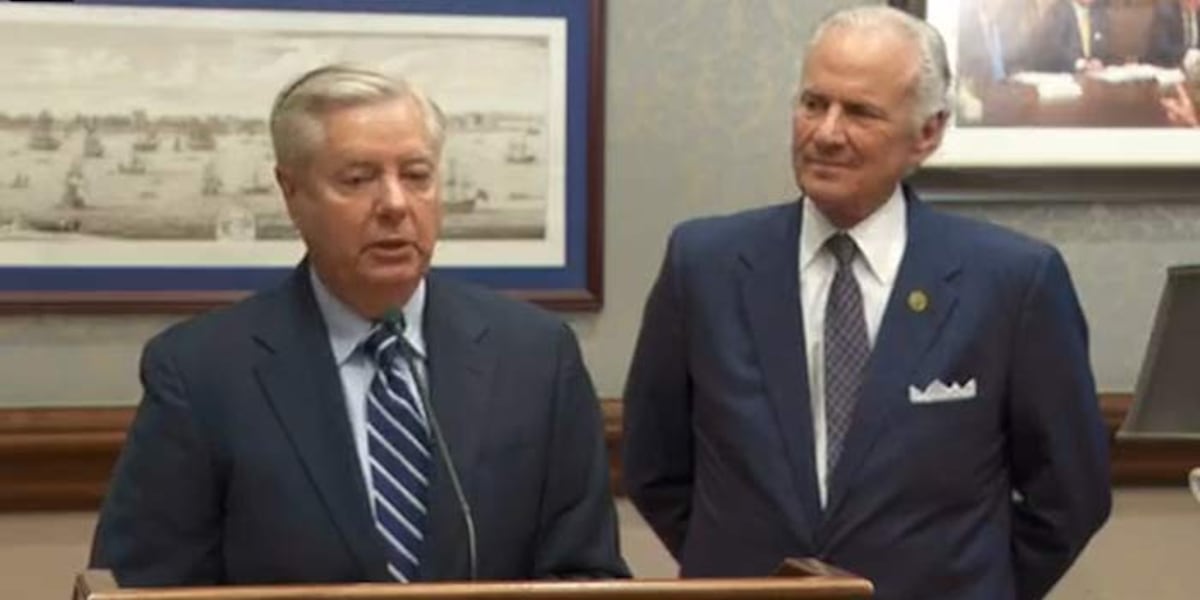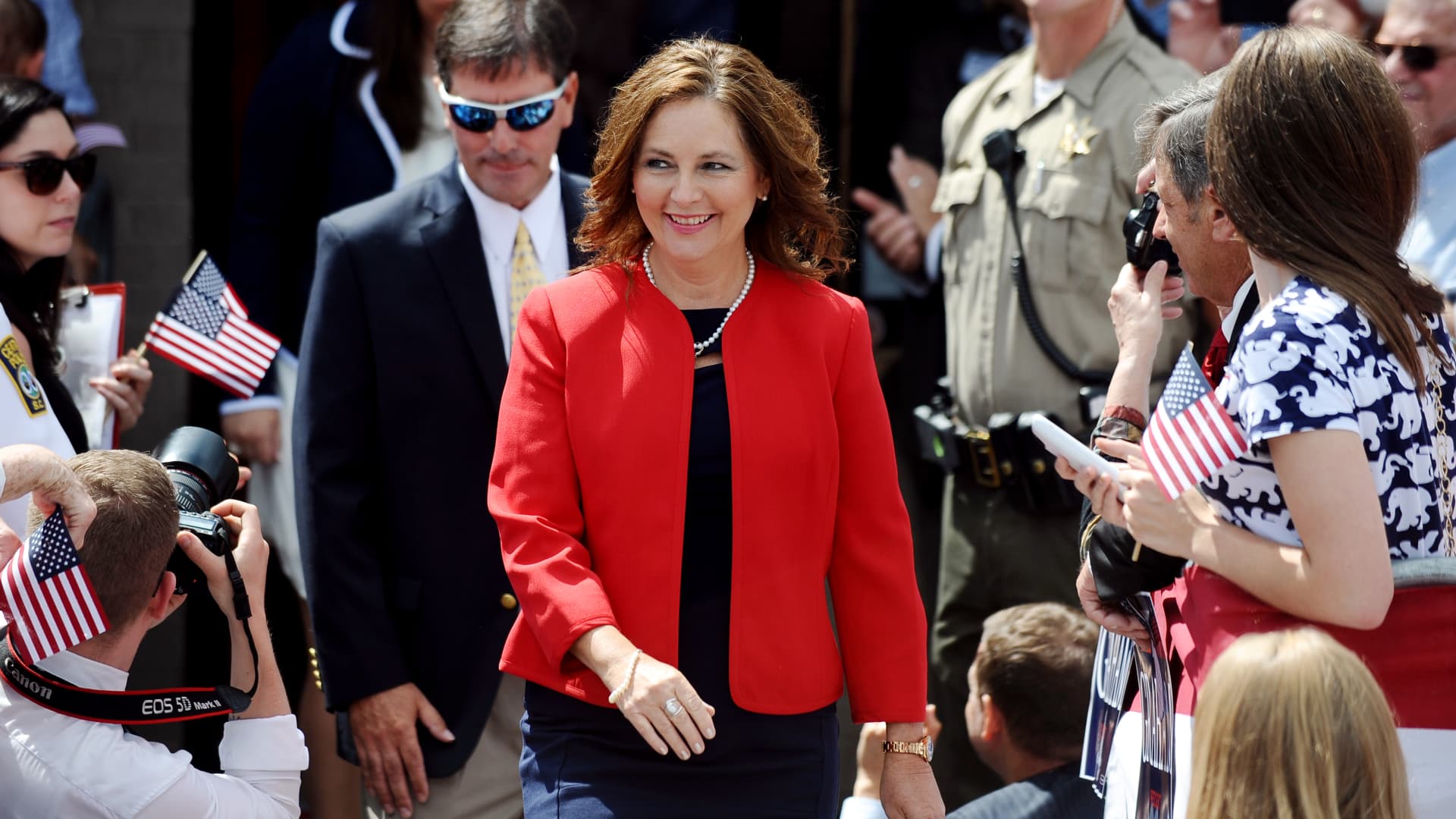
The sudden vacancy in the United States Senate following the death of Senator Lindsey Graham—attributed by the medical examiner to an aortic tear—has triggered an immediate realignment of political capital within South Carolina. President Donald Trump’s endorsement of Darline Graham Nordone, the late senator’s sister, introduces a high-stakes variable into Governor Henry McMaster’s appointment process and the broader federal legislative landscape.
Strategic Dimensions of the Interim Appointment
Governor Henry McMaster holds the statutory mandate to stabilize the state’s federal representation by appointing an interim successor. This decision transcends procedural necessity, serving as a strategic maneuver to define incumbency advantages ahead of a compressed electoral cycle. The Governor’s scheduled 4 p.m. announcement is expected to clarify whether the appointee will serve as a neutral caretaker or an active participant in the upcoming special election.
President Trump’s recommendation via TruthSocial leverages the personal narrative of the Graham family to advocate for institutional continuity. By framing Nordone’s potential service as a tribute to her brother’s legacy, Trump aligns the selection process with the emotional and political sensibilities of the Republican base, potentially narrowing the Governor’s viable options.
The Legal Framework and Primary Timeline
South Carolina law necessitates a dual-track process of appointment and election. The interim senator must immediately integrate into the Senate’s complex committee structures and administrative workflows to preserve the state’s influence on federal appropriations and policy. Simultaneously, the state’s election infrastructure must mobilize for a special primary in August, a logistical sprint that will determine the Republican nominee to face Democrat Annie Andrews in November.
For the GOP, this vacancy resets the competitive dynamics. The August primary is expected to attract a diverse field seeking to capitalize on the open seat. Trump’s early intervention signals an intent to consolidate various party factions under a banner of legacy and loyalty, thereby influencing the future composition of the Senate GOP caucus.
The Profile of Darline Graham Nordone
Darline Graham Nordone’s candidacy is rooted in a unique personal history. The late senator’s role as her legal guardian following their parents’ death established a lifelong bond that Trump has positioned as a qualification for interim service. While Nordone has largely remained a private citizen, her proximity to Graham’s multi-decade career offers a level of brand continuity that provides stability for donors and constituents.
However, the transition to federal office involves a steep learning curve in foreign policy and constitutional law. The effectiveness of her potential tenure would rely heavily on the existing legislative staff and the institutional support of South Carolina’s senior political leadership. This transition occurs at a time when Senate leadership must also manage the redistribution of Graham’s influential committee assignments, impacting pending judicial confirmations and national security legislation.
Financial and Media Implications
The vacancy is poised to trigger a surge in political spending. Campaign finance networks previously aligned with Graham’s reelection must now reallocate resources within a highly condensed timeframe. Furthermore, the use of non-traditional platforms for major endorsements reflects the evolving nature of political communication, where digital reach often bypasses traditional media gatekeepers to shape public perception instantly.
As South Carolina navigates this period of institutional uncertainty, the intersection of personal tragedy and constitutional duty remains at the forefront. The decisions made by Governor McMaster and the electorate in the coming months will have lasting implications for the balance of power in Washington and the political trajectory of the Palmetto State.