
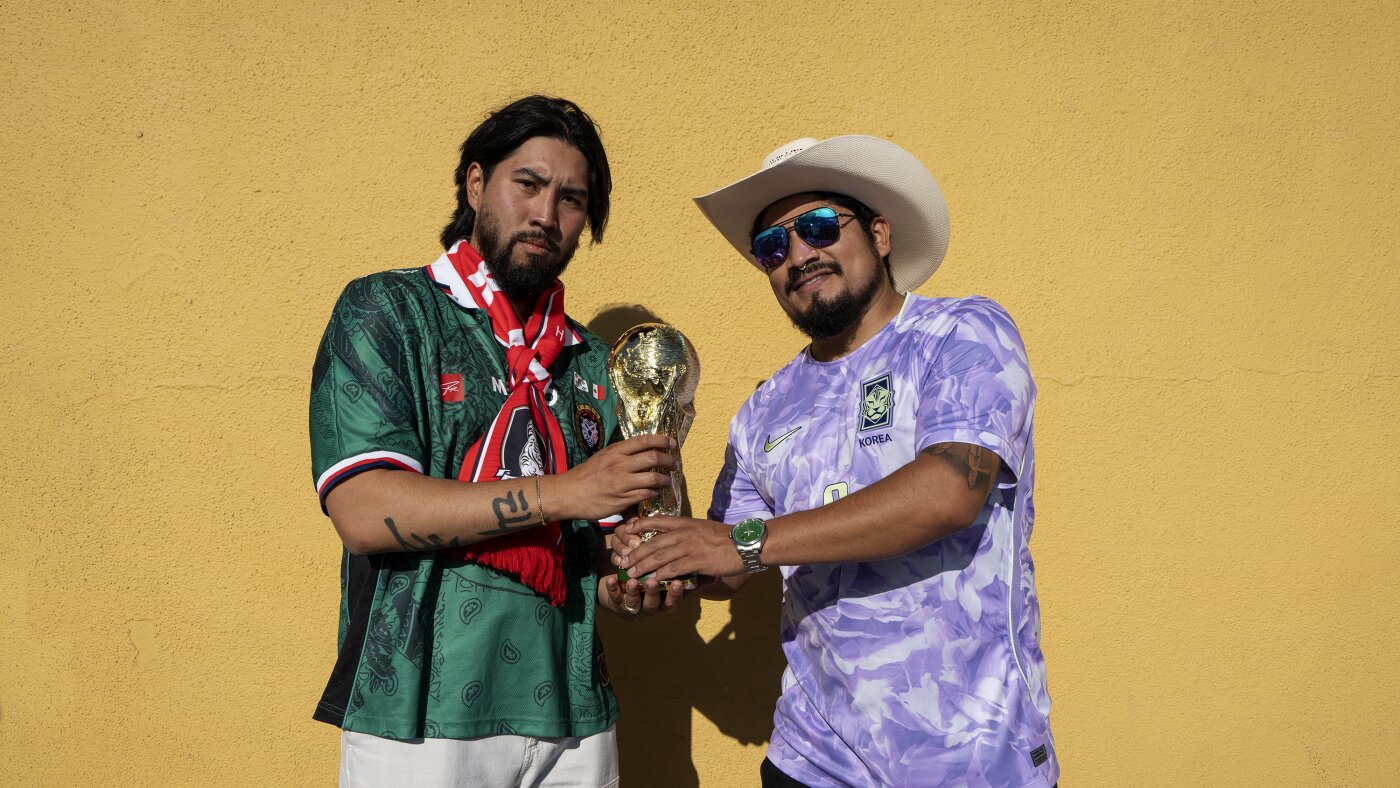
The convergence of the Mexican and South Korean national teams at SoFi Stadium during the 2026 World Cup transcends a standard group-stage fixture. It represents a strategic cultural nexus, demonstrating how a singular historical sporting outcome can fundamentally reshape fan relations, catalyze economic synergies, and enhance large-scale event management.
The “Coreano Hermano” phenomenon, born from South Korea’s pivotal 2018 World Cup victory over Germany that secured Mexico’s advancement, has evolved from spontaneous gratitude into a structured cultural asset. This enduring bond now informs strategic decision-making for tournament organizers, national federations, and global brands, particularly within the diverse Los Angeles market.
In Los Angeles, the robust intersection of Mexican and Korean diasporas creates a unique operational environment. The city functions not merely as a venue but as a dual-cultural epicenter, maximizing global broadcast significance alongside unparalleled domestic consumption rates and localized fan engagement.
Strategic Leverage of the Los Angeles Nexus
The decision to host the Mexico-South Korea match in Los Angeles is a calculated move to optimize revenue streams. By aligning with two of North America’s most passionate and demographically significant fanbases, FIFA and local stakeholders ensure maximal ticket demand, hospitality expenditure, and merchandising opportunities.
This demographic alignment offers a distinct advantage for sponsors, enabling unified cross-market campaigns that resonate deeply with both Latin American and East Asian consumer segments through a shared narrative of camaraderie. Local businesses, particularly in areas like Koreatown and predominantly Mexican neighborhoods, experience synchronized economic surges, fostering a broader, synergistic market beyond the stadium’s perimeter.
Furthermore, the inherent lack of traditional sporting animosity between these nations translates into a tangible reduction in security overhead. This allows for more integrated fan zones, shared commercial activations, and a reallocation of security resources towards logistical efficiency rather than conflict mediation—a best practice in mega-event management.
Operational Diplomacy and the Guadalajara Model
The enthusiastic reception of the South Korean squad in Guadalajara exemplifies Mexico’s proactive operational diplomacy. Hundreds of Mexican supporters welcomed the team, transforming a typical ‘away team’ experience into a powerful display of host-nation hospitality and soft power.
This level of proactive fan engagement offers strategic advantages to the South Korean Football Association, fostering enhanced player morale and streamlining logistical ease during the tournament’s initial stages. Such cross-cultural integration is extensively documented via digital media, with the “Coreano Hermano” narrative serving as a potent organic marketing tool for the World Cup’s inclusivity goals.
This model highlights how positive fan interactions can mitigate common pressures associated with international sporting events, creating a more predictable and harmonious environment beneficial for both teams and host cities.
Digital Narratives and Measurable Brand ROI
Social media has been instrumental in scaling the “Coreano Hermano” sentiment from a viral 2018 meme to a foundational strategic pillar for the 2026 tournament. The continuous proliferation of content depicting integrated fan celebrations generates a self-sustaining cycle of positive brand association for both national teams and their corporate partners.
For brands targeting both Latin American and East Asian markets, this fixture presents a high-yield opportunity for cross-market penetration. The unified narrative enables advertising campaigns rooted in brotherhood and mutual respect, diverging from the zero-sum competitive messaging often prevalent in sports marketing. This approach yields stronger emotional connections and higher engagement metrics.
The extensive digital footprint of these interactions provides invaluable data for future event planning. Analyzing engagement patterns from these shared festivities offers organizers predictive insights into the potential for similar ‘friendly rivalries’ to drive viewership, merchandise sales, and overall tournament success across diverse global markets.
The Enduring 2018 Legacy: A Proven Cultural Asset
The 2018 World Cup match in Kazan remains the bedrock of the current Mexico-South Korea relationship. That event transformed a conventional competitive interaction into a profound, almost transactional, debt of gratitude that has since matured into a genuine and durable cultural affinity.
Eight years later, the 2026 World Cup serves as the ultimate proving ground for this bond’s resilience on North American soil. The sustained prominence of the “Coreano Hermano” chant and associated fan behaviors validates that this alliance is not a fleeting trend but a permanent, resilient shift in how these two nations perceive their sporting and cultural interactions.
This historical continuity provides a stabilizing force for the tournament, ensuring high levels of fan engagement and positive media coverage regardless of specific competitive stakes. The established framework of mutual respect acts as a crucial risk mitigation factor, preserving civil order and fostering a celebratory atmosphere even amidst fierce on-field competition.
Competitive Dynamics and 2026 Tournament Strategy
Under the expanded 2026 World Cup format, the strategic value of each group-stage match is heightened. However, the Mexico-South Korea fixture carries a unique psychological weight, creating a paradox where fan sentiment often favors a mutually beneficial outcome, such as a draw, reflecting a desire to preserve the alliance over pure competitive gain.
From a technical perspective, coaching staffs face the unique challenge of balancing the imperative to secure points for advancement with operating within an environment overwhelmingly characterized by celebration rather than adversarial tension. Maintaining competitive intensity while navigating this context requires distinct leadership and motivational strategies.
The performance of both teams in their preceding matches sets a critical stage. As both nations vie to capitalize on early momentum, this SoFi Stadium encounter will serve as a pivotal strategic point in their respective paths through the tournament bracket, demanding both tactical acumen and cultural awareness.
Enhanced Security and Community-Driven Event Safety
The pervasive “Coreano Hermano” sentiment functions as a powerful, natural de-escalation mechanism for crowd management professionals. In a tournament of this unprecedented scale, the significant reduction of potential friction between opposing fanbases allows for a more streamlined, intelligence-led deployment of security resources.
Law enforcement and stadium staff can prioritize logistical flow, public safety, and emergency response rather than conflict intervention, leading to substantial operational efficiencies. This enhanced focus on preventative safety is a direct dividend of the positive cultural narrative established and maintained by the fans themselves.
Furthermore, the proliferation of shared watch parties across Los Angeles effectively distributes crowd density, preventing bottlenecks at the stadium and reducing the urban footprint of major event day activities. This decentralized celebration model, predicated on high levels of inter-community trust and cooperation, offers a blueprint for scalable, community-driven event safety.
Conclusion: A New Paradigm for International Sports Fixtures
The Mexico-South Korea match at the 2026 World Cup stands as a testament to the evolving nature of international sports. It moves beyond traditional nationalistic competition, establishing a new paradigm centered on collaborative celebration, shared economic opportunity, and strategic cultural integration.
By effectively leveraging historical legacies and profound demographic synergies, 2026 World Cup organizers have transformed a standard group-stage game into a landmark cultural and operational case study. The “Coreano Hermano” bond remains a premier example of how sporting events can foster enduring international alliances that transcend the field of play and generate tangible benefits.
The success of this fixture in Los Angeles offers a powerful blueprint for future scheduling and marketing decisions concerning international friendlies and competitive tournaments. It conclusively demonstrates that cultural alignment, when strategically cultivated, can be as valuable as, if not more potent than, competitive tension in driving the holistic success of global sporting mega-events.
Photo by SofiaHM on Pixabay.