
Broadcasting Autonomy and the Knicks’ Championship
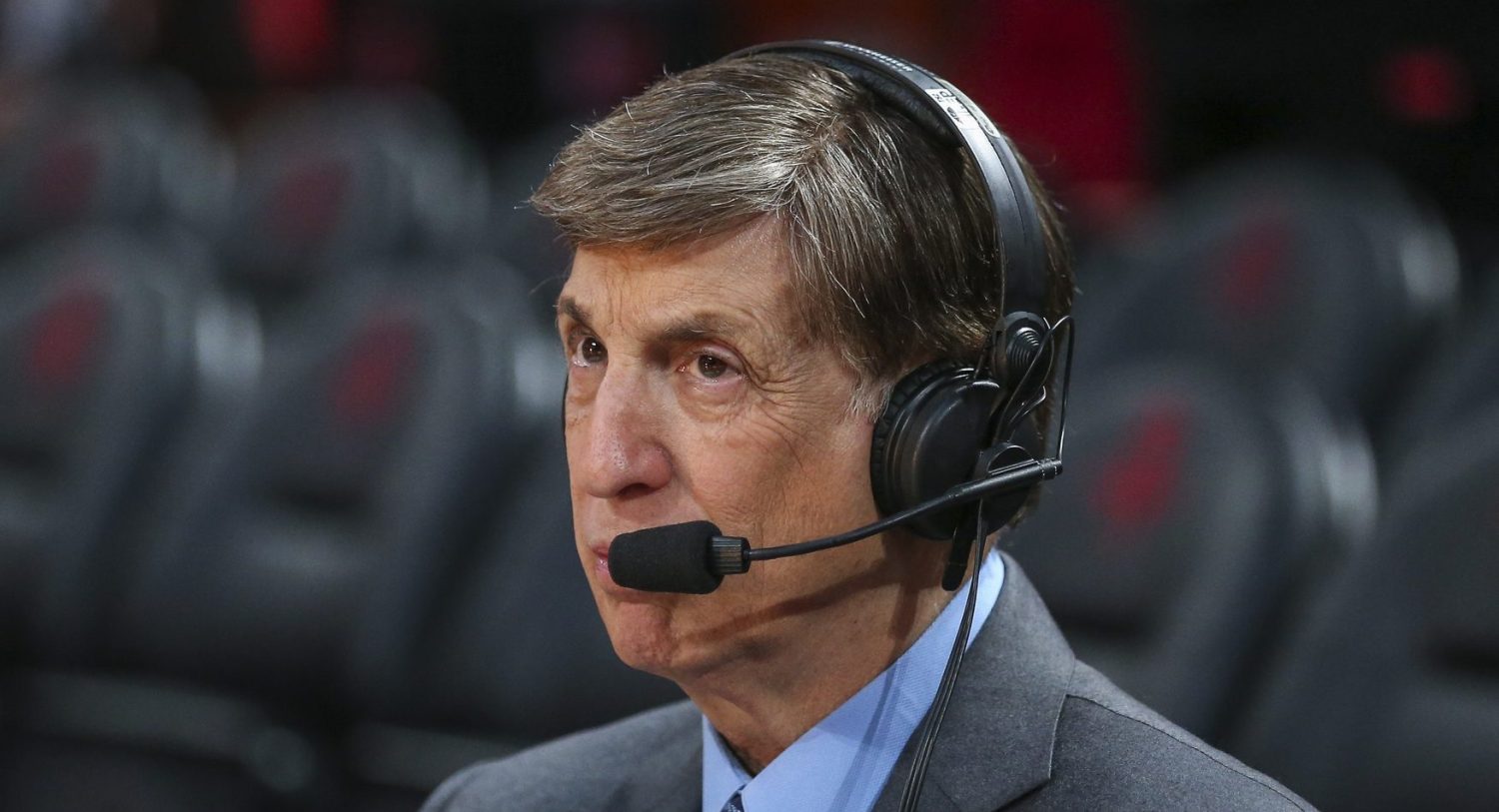
Marv Albert, a definitive voice in basketball history, recently offered his reflections on the New York Knicks’ long-awaited championship. Spanning five decades of coverage, Albert’s tenure was defined by a commitment to objective reporting, even when such candor strained his relationship with team ownership. His insights underscore the essential, if sometimes contentious, role of the commentator as an independent arbiter of a team’s performance.
Albert’s refusal to temper his criticism during the franchise’s darker years was not merely professional preference, but a belief in the necessity of journalistic integrity. By prioritizing the audience’s need for an honest assessment over the comfort of team management, Albert maintained his credibility as a narrator of the game. His experience serves as a testament to the value of objective analysis in an era increasingly dominated by team-controlled narratives.
The Price of Professional Independence
The friction between Albert’s reporting and the front office—most notably under James Dolan—highlights the inherent challenges for sports media professionals. Organizations often equate loyalty with silence, particularly during cycles of underperformance. Albert’s trajectory demonstrates that while maintaining independence carries professional risks, it is precisely this detachment that allows for a more meaningful and resonant chronicle of a team’s evolution.
Strategic Roster Construction and Collective Synergy
The current Knicks roster represents a departure from previous strategies that heavily prioritized individual stardom. Albert credits the current front office, led by Leon Rose, for cultivating a culture of unselfish play and chemistry. By assembling complementary pieces—specifically Jalen Brunson, Mikal Bridges, OG Anunoby, Karl-Anthony Towns, and Josh Hart—the organization has successfully transitioned from an asset-heavy model to a performance-integrated system.
This pivot toward collective output over name-brand power has resulted in higher performance leverage. In a salary-cap environment, the ability to derive maximum value from a cohesive unit, rather than relying on a single dominant personality, serves as a significant competitive advantage. Albert’s observations imply that the current championship is a direct result of a fundamental shift in leadership philosophy, prioritizing long-term stability over short-sighted acquisitions.
A Legacy of Historical Significance
While broadcasters like Mike Breen define the modern era, Albert’s legacy remains foundational to the Knicks’ identity. Reggie Miller’s suggestion that Albert earned a share in the franchise’s success recognizes that a team’s narrative is built as much by its chroniclers as its participants. Albert’s career, spanning from the iconic Willis Reed era to recent triumphs, positions him as a cultural historian of the game whose voice is inextricably woven into the fabric of the organization.
The contrast between the team’s historic mismanagement and its current championship success highlights the importance of institutional resilience. By navigating decades of structural inefficiency, the organization has finally aligned its operational strategy with its on-court potential, validating the patience of a fanbase that has long waited for such coherence.

Photo by 627389 on Pixabay.