
Pilot Chemistry as a Strategic Foundation
In serialized television, the pilot episode is critical for establishing a series’ potential and long-term viability. For *The Vampire Diaries*, the creative team recognized that the show’s core strength lay not in its supernatural premise, but in the nuanced interpersonal dynamics between its lead characters. This realization informed their strategic approach from inception.
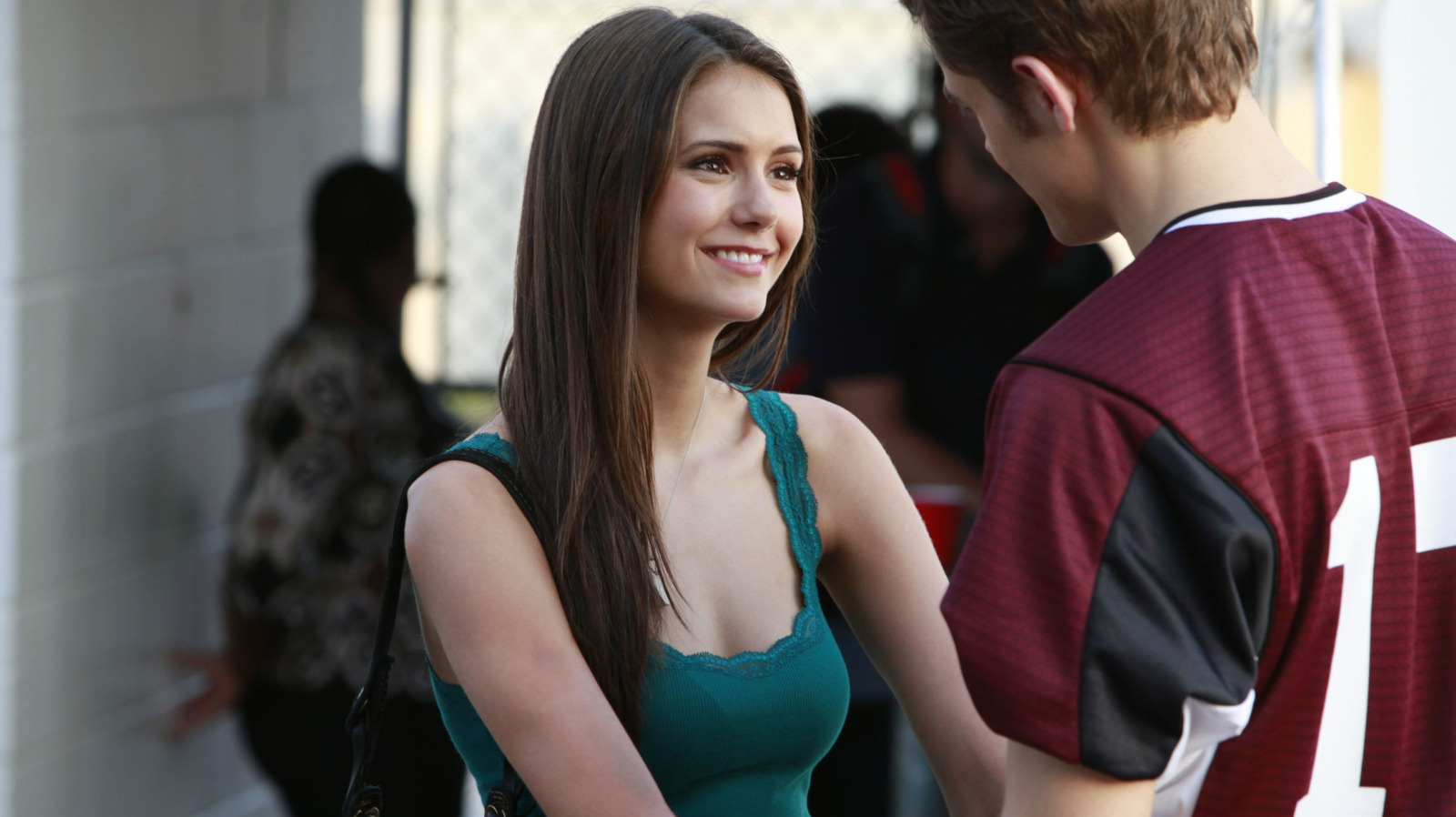
Series creator Kevin Williamson and showrunner Julie Plec have emphasized that the initial interaction between Stefan Salvatore (Paul Wesley) and Elena Gilbert (Nina Dobrev)—specifically, the now-iconic scene where Stefan removes a leaf from Elena’s hair—served as the definitive anchor for the show’s creative identity and future success. This moment was strategically identified as the key to solidifying the series’ narrative direction.
Operationalizing On-Screen Chemistry for Audience Retention
The deliberate prioritization of the Stefan-Elena chemistry over the introduction of more high-impact plot elements, such as Damon Salvatore’s arrival, highlights a calculated production strategy. While secondary characters often propel plotlines, the central romantic tension was deemed the primary engine for sustained audience engagement and viewership retention. This focus on the lead romantic pairing provided a stable emotional foundation, crucial for navigating the competitive television landscape across multiple seasons.
By focusing on dialogue that established the leads’ shared ‘history,’ the creators developed a narrative shorthand. This allowed for immediate audience investment in the characters and their intertwined destinies, forming the bedrock of the show’s emotional resonance.
Casting as a Risk Mitigation and Narrative Catalyst
Paul Wesley’s casting was more than a creative choice; it represented a significant risk mitigation strategy. Julie Plec’s accounts of Wesley eliciting an immediate, visceral connection with the creative team underscore the crucial role of intuitive casting in the pilot phase. An actor who can instantly embody a series’ intended emotional tone streamlines production by reducing the need for extensive exposition, allowing writers to focus on character development and narrative expansion.
This efficient alignment between performer and character in the pilot phase acted as a catalyst, proving the core concept’s viability and enabling the efficient development of the series’ subsequent seasons.
The Monitor’s Role in Creative Validation
Kevin Williamson’s reliance on the monitor to validate the chemistry between the leads exemplifies the technical and observational rigor involved in executive decision-making. Showrunners must discern between scripted dialogue and the intangible ‘magic’ of a performance. This validation process serves as a critical checkpoint, ensuring the creative vision is not only theoretically sound but also visually and emotionally compelling on screen.
For *The Vampire Diaries*, this confirmation of authentic connection provided the executive team with the necessary confidence to commit to the series’ established narrative trajectory, validating the foundational casting and scene work.
Institutional Impact: Securing Series Longevity
The pilot’s foundational scene’s success demonstrates the institutional value of establishing a strong core dynamic early on. By securing a reliable emotional anchor, the production team was empowered to navigate the complexities of long-form storytelling while maintaining audience interest in the central relationship. This strategic emphasis on character-driven moments, rather than solely plot-driven spectacle, facilitated the building of a loyal demographic and contributed directly to the show’s long-term sustainability.
Competitive Differentiation in the Supernatural Genre
In the crowded supernatural drama market, *The Vampire Diaries* differentiated itself by grounding its fantastical elements in relatable, human-centric emotional stakes. The deliberate focus on the Stefan-Elena meet-cute served to position the show as a character-focused romance with supernatural undertones, rather than a pure genre piece. This strategic positioning attracted a broader audience by offering an accessible entry point into the more complex supernatural lore that unfolded, making the pilot’s balance of the mundane and extraordinary a key to its effective development.
Synthesis: Capturing Authentic Human Interaction
The convergence of Williamson’s creative vision, Plec’s casting intuition, and Wesley’s authentic performance created a synergy that defined the show’s enduring identity. This synthesis highlights how television’s most impactful moments often arise from precise, collaborative efforts to capture genuine human connection. Recognizing and leveraging the significance of the leaf-removal scene demonstrated a sophisticated understanding of performance as a driver of audience engagement, underscoring the necessity of aligning creative and operational goals during the critical pilot production phase.

Photo by qiye on Pixabay.