The Intersection of Legislative Power and Judicial Oversight
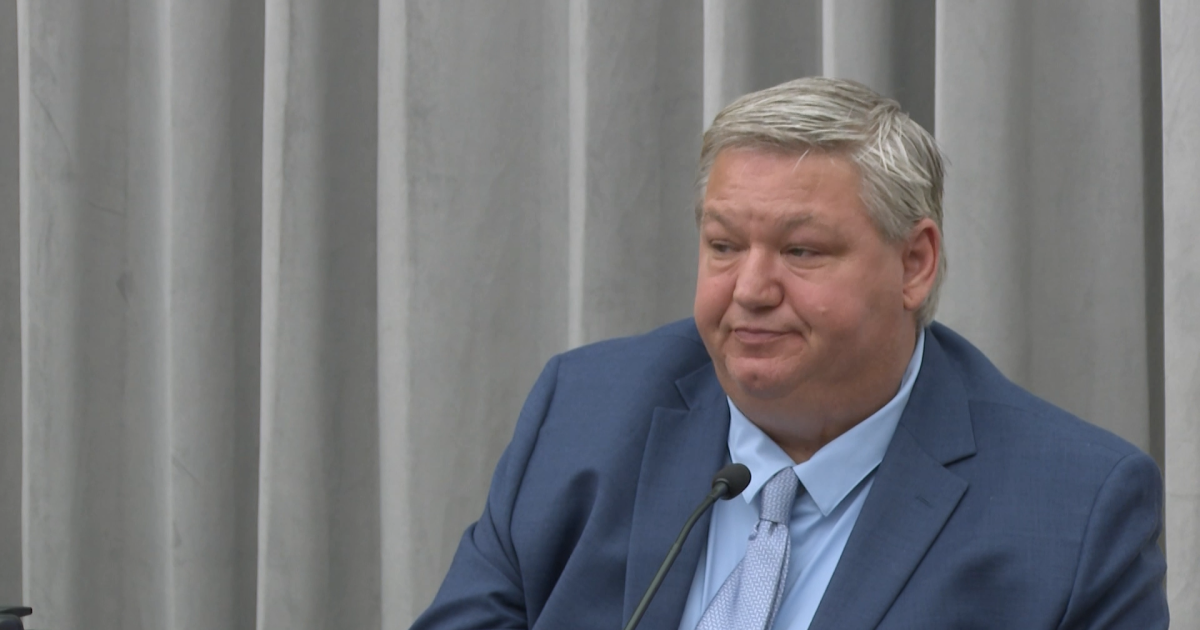
The conviction of Montana State Senator Jason Ellsworth on misdemeanor charges of official misconduct represents a critical inflection point for state governance. Following a six-day trial in Lewis and Clark County, a jury determined that the former Senate President deliberately bypassed the state’s mandatory public bidding protocols to award a contract exceeding $100,000 to a close associate. This verdict reaffirms that procurement statutes serve as an essential firewall against the consolidation of patronage within high-ranking legislative offices.
The Strategic Circumvention of Procurement Protocols
The prosecution’s case centered on the Senate Select Committee on Judicial Oversight and Reform—a body tasked with evaluating the relationship between the legislative and judicial branches. The $100,000 contract in question was for specialized bill-tracking services. By steering this contract to an associate, Ellsworth effectively neutralized the competitive friction intended to vet the independence and qualifications of third-party contractors. This maneuver was characterized not as a procedural error, but as a calculated effort to institutionalize administrative control over committee outputs ahead of the 2025 Legislative Session.
Institutional Fallout and Legal Precedent
Led by Assistant Attorneys General Stephanie Robles and Dan Guzynski, the Montana Department of Justice argued that the breach was a systemic threat to fiscal transparency. While the conviction is classified as a misdemeanor, the implications are profound, signaling a robust prosecutorial stance on public corruption. District Judge Chris Abbott has scheduled sentencing for September 10, where Ellsworth faces a maximum penalty of six months in jail and a $500 fine. The disparity between the fine and the contract’s six-figure value highlights a potential area for future legislative reform regarding the penalization of official malfeasance.
Implications for the 2025 Legislative Session
The guilty verdict creates significant reputational exposure for the Montana Senate, necessitating a review of internal oversight mechanisms. As the legislature prepares for future sessions, the exposure of vulnerabilities in how leadership-led committees manage discretionary funds will likely trigger more rigorous auditing processes. This case stands as a modern benchmark for the accountability of public servants, reinforcing the principle that the rule of law governs procurement regardless of an individual’s political standing.