The Evolving Paradigm of Combat Sports Entertainment
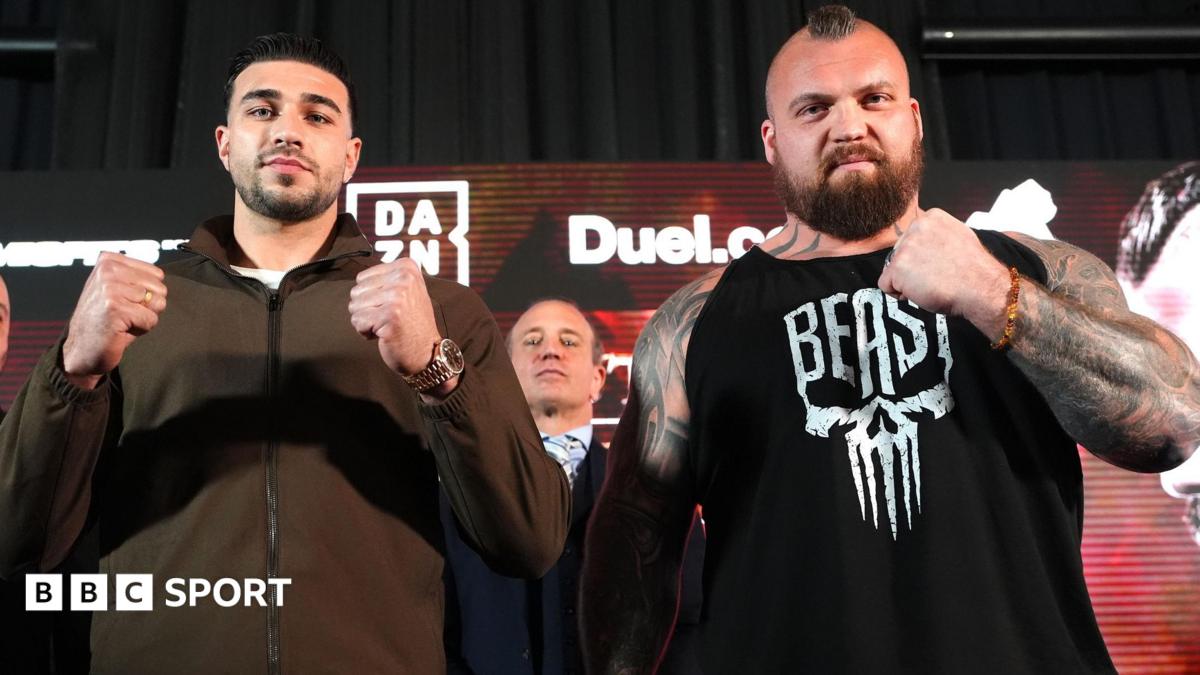
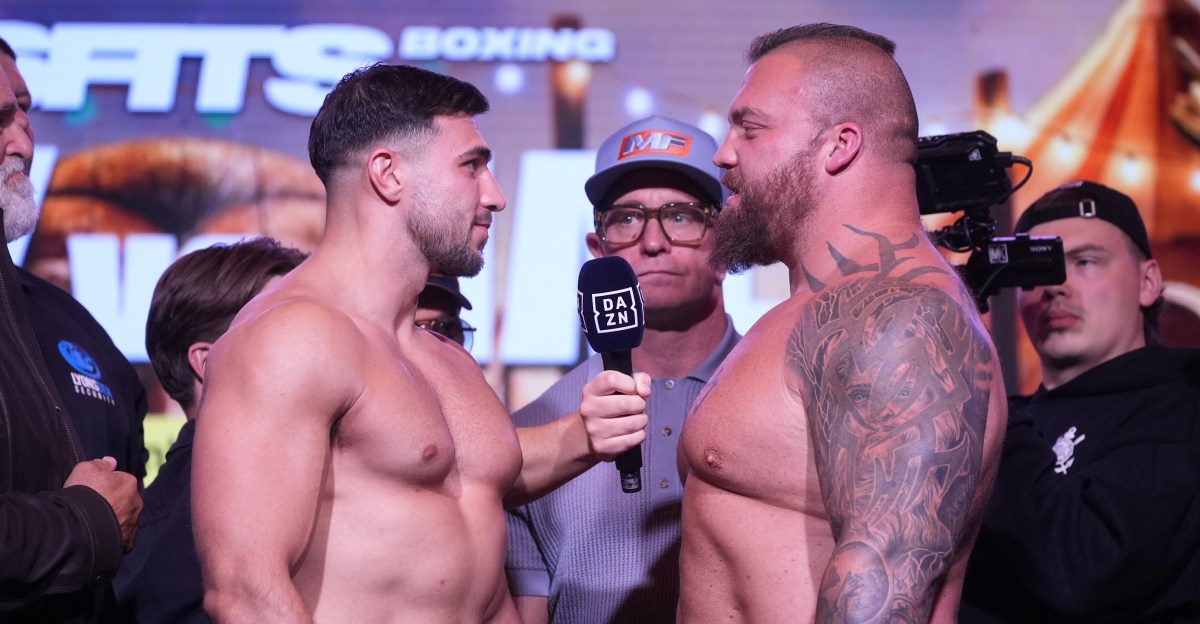
The recent exhibition bout between professional boxer Tommy Fury and former World’s Strongest Man Eddie Hall, promoted by Misfits Boxing, signifies a profound paradigm shift within the combat sports entertainment complex. Staged at the AO Arena in Manchester, United Kingdom, this event exemplifies a sophisticated strategic convergence of professional athletic backgrounds, reality television celebrity, and vast social media influence, effectively recalibrating traditional revenue models and audience engagement strategies.
This particular contest, meticulously framed by marketing narratives such as “Beauty vs. The Beast” or “David vs. Goliath,” deliberately leveraged a substantial weight disparity between the combatants—Fury at approximately 217.5 pounds and Hall at 325.6 pounds. Such a pronounced physical difference, while inherently a competitive factor, was primarily orchestrated as a central pillar of the event’s spectacle, designed to maximize its pay-per-view appeal and entertainment value, rather than strictly adhering to conventional competitive parity fundamental to professional boxing weight classes. This calculation underscores the emphasis on theatricality over pure sporting competition.
Strategic Calculus and Athlete Incentives in a Convergent Market
Tommy Fury, maintaining an undefeated professional record of 11-0, occupies a unique strategic position, navigating a dual career path that balances declared aspirations for world-title contention within traditional boxing with his established role as a marquee figure in the influencer boxing phenomenon. His prior high-profile victories against other influencer-turned-boxers, notably KSI and Jake Paul, have solidified his considerable market value within this emergent hybrid entertainment sphere, charting a distinct career trajectory that leverages celebrity capital beyond conventional athletic progression.
This dual identity presents a complex strategic calculus for Fury, where the immediate, significant financial remuneration and unparalleled public visibility offered by influencer boxing events often supersede the protracted, arduous climb through conventional professional rankings. His decision to participate in an exhibition bout, which critically does not impact his professional record, serves as a strategic maneuver: it allows for continued engagement with this lucrative market segment, monetizing his celebrity, while theoretically preserving his professional standing and competitive integrity for future traditional challenges.
Conversely, Eddie Hall’s participation represents a calculated diversification and brand extension of his athletic persona, transitioning from a decorated strongman career into combat sports entertainment. Following his 2022 exhibition loss to Hafthor ‘Thor’ Bjornsson in a contest billed as ‘The Heaviest Boxing Match in History,’ Hall’s continued engagement with Misfits Boxing signals a sustained exploration of new avenues for public engagement and commercial leverage, expanding his athletic narrative beyond his original discipline. For athletes like Hall, these crossover bouts offer a powerful platform to maintain relevance, expand personal brand equity, and tap into novel revenue streams unavailable within the confines of their original sports, primarily monetizing existing celebrity and physical prowess in a format optimized for mass entertainment.
Operational Dynamics and Regulatory Adaptations for Exhibition Bouts
The designation of the Fury vs. Hall contest as a six-round exhibition, with each round lasting two minutes, carries profound operational and regulatory implications, highlighting the distinct framework of influencer boxing. Unlike sanctioned professional boxing matches, exhibition bouts typically operate under modified rulesets and frequently fall outside the direct, stringent jurisdiction of traditional boxing commissions, thereby affording promoters significant flexibility in matchmaking, rule customization, and event structuring.
This structural distinction is instrumental in enabling the staging of contests that might not conform to the stringent competitive or safety criteria of professional boxing, such as the considerable weight disparity observed in this event. While the source does not detail specific regulatory oversight, the exhibition status inherently implies a different legal and operational framework for athlete protection, competitive fairness, and official record-keeping, fundamentally distinguishing it from the highly regulated environment of professional contests. This regulatory adaptability is key to creating unique, spectacle-driven events.
Furthermore, the reduced round duration and total fight length are characteristic adaptations for exhibition events, often meticulously tailored to accommodate the varied conditioning levels of participants—many of whom may not be full-time professional boxers—or strategically designed to heighten the pace and intensity of the spectacle. This format deliberately caters to an audience seeking high-impact, concentrated entertainment rather than a protracted, technically nuanced boxing match, aligning perfectly with the broader Misfits Boxing strategy of delivering accessible, celebrity-driven action.
Misfits Boxing: A Disruptive Business Model and Direct Monetization
Misfits Boxing’s promotion of the Fury vs. Hall event vividly illustrates a sophisticated and disruptive business model, primarily centered on leveraging social media celebrity into direct-to-consumer distribution via pay-per-view (PPV) platforms like DAZN. The event’s marketing, with its emphasis on the compelling “Beauty vs. The Beast” narrative, is a direct, data-driven appeal to a broad, digitally native audience accustomed to reality television and influencer content, effectively expanding and resegmenting the traditional boxing viewership.
The strategic reliance on PPV as the paramount revenue channel, potentially augmented by affiliate commissions from product or service purchases linked to the event, underscores a direct monetization strategy that largely bypasses traditional broadcast intermediaries. This disintermediation model allows promoters to capture a significantly larger share of revenue per viewer, directly capitalizing on the immense drawing power of the featured personalities rather than solely depending on conventional advertising or subscription fees. It’s a testament to the power of personal brand equity in the digital age.
The inclusion of a comprehensive undercard, featuring both established names and emerging figures within the influencer boxing circuit, serves to maximize the overall value proposition of the PPV offering. This multi-tiered approach ensures sustained audience engagement throughout the event, from preliminary bouts to the main event, reinforcing the holistic entertainment package and driving incremental viewership.
Market Disruption and the Convergence of Industry Verticals
The phenomenon exemplified by the Fury vs. Hall bout represents a significant disruption to the established norms of combat sports, actively fostering a convergence between professional athleticism, entertainment production, and social media celebrity. This emergent trend directly challenges traditional boxing’s entrenched gatekeepers, its conventional media narratives, and long-held audience expectations by unequivocally prioritizing spectacle and personality-driven narratives over strictly conventional sporting merit and competitive rankings.
Misfits Boxing, acting as a pivotal innovator and promoter in this reconfigured landscape, strategically capitalizes on the massive digital followings of its fighters, ingeniously transforming social media engagement into tangible PPV purchases. This approach effectively establishes a parallel, agile ecosystem to traditional boxing, one that operates with distinct metrics of success, audience appeal, and commercial viability, often successfully engaging demographics historically less inclined to follow conventional professional sports.
The sustained success and increasing prevalence of such events unequivocally suggest a structural reorientation in how combat sports content is consumed, valued, and monetized. It signals a growing, undeniable market appetite for transmedia entertainment products that seamlessly combine the visceral thrill of competition with the compelling narrative appeal of celebrity culture, thereby compelling traditional sports organizations to fundamentally re-evaluate their engagement strategies, content offerings, and overall market positioning.
Long-Term Implications: Athlete Legacy and Industry Governance
The long-term implications for athletes navigating this dynamically convergent landscape are profoundly multifaceted. While influencer boxing undeniably offers unprecedented financial opportunities and global visibility, it simultaneously introduces complexities regarding career progression, specialized skill development, and the perception of professional legitimacy. For athletes like Tommy Fury, the enduring challenge lies in reconciling the substantial commercial success and broad appeal of influencer bouts with the rigorous pursuit of traditional boxing accolades and a lasting legacy within the sport’s professional annals.
The very existence of a parallel circuit of exhibition bouts, explicitly distinct from official professional records, inevitably raises critical questions about the fundamental integrity, long-term stewardship, and future trajectory of combat sports. While this circuit undeniably broadens the audience demographic and injects significant new capital into the ecosystem, it simultaneously necessitates a clear and robust delineation between entertainment-driven spectacles—designed for commercial viability and mass appeal—and the rigorous, meritocratic structures of professional competition—founded on competitive fairness and athletic progression.
Ultimately, the Fury vs. Hall event serves as a microcosm of a much broader, ongoing industry transformation, where the strategic deployment of celebrity influence, digital platforms, and precisely tailored entertainment formats are fundamentally redefining the economic and cultural value proposition of combat sports. This profound evolution continues to shape the strategic imperatives of promoters, athletes, and media entities alike, driving continuous innovation in content delivery, audience engagement, and market positioning within a rapidly evolving global entertainment economy.