Hulu Axes Planned ‘Buffy’ Reboot, Ending Franchise Revival Hopes
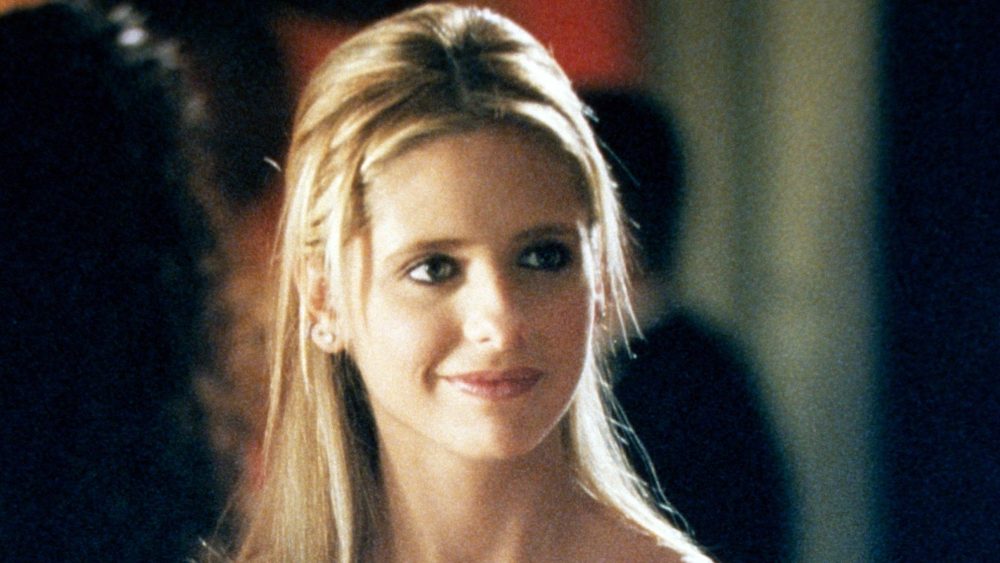
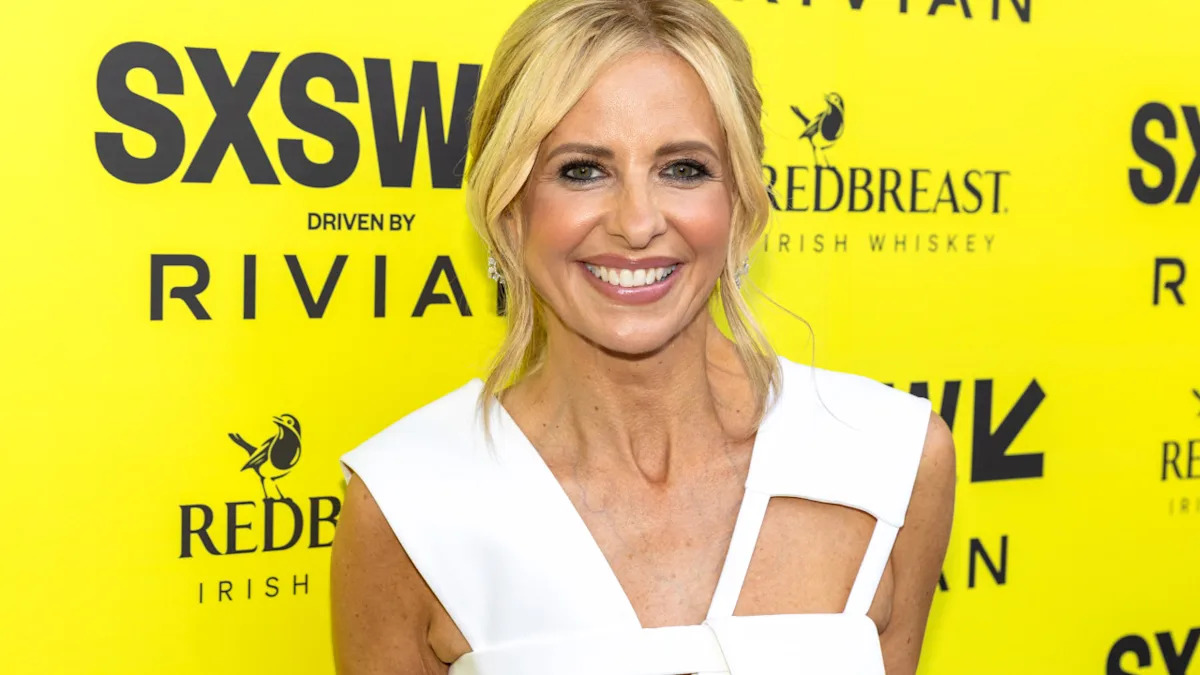
Hulu will not proceed with the planned reboot of “Buffy the Vampire Slayer,” a development confirmed by series star Sarah Michelle Gellar. The project, tentatively titled “Buffy the Vampire Slayer: New Sunnydale,” was in development as a sequel series aiming to revive the beloved 1990s supernatural fantasy hit.
The cancellation represents a significant setback for the franchise’s potential resurgence. Gellar, slated to reprise her titular role and executive produce, confirmed the project’s definitive end, sharing the news directly with fans.
Strategic Reassessment Drives Hulu’s Decision
Hulu’s move away from the “Buffy” reboot reflects a broader strategic reassessment by parent company Disney concerning its streaming portfolio and intellectual property exploitation. This recalibration of content investment priorities likely favors properties with broader demographic appeal or those aligning more closely with Disney’s core brands.
The cancellation underscores the financial and creative risks inherent in reviving established franchises, particularly balancing nostalgia with contemporary audience expectations. The substantial investment required for a high-profile reboot, coupled with uncertain reception, likely contributed to Hulu’s risk-averse stance.
Creative Vision and Production Landscape
The involvement of Oscar-winning director Chloé Zhao as director and executive producer for the pilot episode indicated an ambitious creative vision for the new “Buffy” iteration. Zhao’s acclaimed work suggested a sophisticated, artistically driven reimagining.
Zhao’s participation, now curtailed, highlighted the project’s initial promise and the significant talent it attracted. The cancellation suggests a potential divergence in creative direction or an inability to align artistic ambitions with the platform’s strategic objectives.
Stakeholder Impact and Franchise Future
For Sarah Michelle Gellar, the cancellation closes an opportunity to revisit a career-defining role and engage with a dedicated fanbase. Her public acknowledgment of gratitude toward Chloé Zhao suggests a positive working relationship and shared enthusiasm for the project’s unrealized potential.
The “Buffy” fanbase, eager for new content, faces disappointment with this definitive end to the revival. The franchise’s legacy, cemented by its seven-season run and cultural impact, now faces an uncertain future regarding further expansion attempts.
Industry Implications for IP Revivals
The “Buffy” reboot cancellation serves as a cautionary tale for the entertainment industry’s trend of reviving established intellectual properties. While these revivals offer built-in audiences and brand recognition, they carry significant risks in creative execution, managing audience expectations, and avoiding market saturation.
This development prompts a re-evaluation of the economic incentives and strategic considerations driving IP exploitation decisions. It suggests that even with considerable creative talent and a passionate fanbase, platform strategy, financial viability, and creative alignment are critical for such projects’ success.
Streaming Platforms’ Role in Content Curation
Hulu’s decision exemplifies the increasingly curated nature of content on major streaming platforms, driven by complex algorithms, subscriber analytics, and long-term strategic goals. The platform’s capacity to greenlight and cancel projects highlights the dynamic and volatile streaming content production environment.
The financial exposure for Disney and Hulu, while not publicly detailed, likely involved significant pre-production and development costs. The cancellation signifies a write-down of these investments, emphasizing the high-stakes nature of content development in the competitive streaming market.
Cultural Resonance and Franchise Longevity
The original “Buffy the Vampire Slayer” series (1997-2003) achieved significant cultural resonance for its blend of supernatural storytelling, adolescent themes, and feminist undertones. Its enduring popularity has fueled decades of fan engagement and persistent interest in its continuation.
The inability to translate this cultural capital into a successful Hulu revival raises questions about how to best honor and evolve beloved franchises for new generations. It suggests that replicating the original series’ unique cultural context and creative innovations is difficult without a clear, compelling artistic rationale.
The ‘New Sunnydale’ Concept and Its Potential
The proposed “New Sunnydale” concept reportedly featured Ryan Kiera Armstrong as a new slayer, with Gellar in a recurring capacity, aiming to bridge the original series with a new narrative arc. This approach seeks to leverage established lore while introducing fresh perspectives.
The inclusion of Faly Rakotohavana as Hugo in the pilot cast indicated an effort to build a diverse ensemble reflecting contemporary storytelling trends. The cancellation means the envisioned narrative threads and character dynamics for this new chapter will remain unexplored.
Financial and Operational Considerations
The project’s setup at 20th Television and Searchlight Television, both Disney-owned entities, implies an internal development pipeline. The cancellation means these production arms will not see immediate financial returns or critical acclaim from a successful “Buffy” series.
This decision also impacts the operational capacity of these studios, potentially freeing up resources and talent for other projects, but represents a missed opportunity to capitalize on valuable IP.
The Competitive Streaming Landscape
Hulu’s decision occurs within an intensely competitive streaming market where platforms vie for subscriber attention through exclusive content. The cancellation of a high-profile reboot like “Buffy” suggests that even established brands may not guarantee a competitive edge without strong strategic fit and execution.
Competitors like Netflix, Max, and Amazon Prime Video invest heavily in original programming and franchise extensions, creating a challenging environment. The “Buffy” reboot’s demise reflects the high bar for entry and rigorous evaluation processes content undergoes.
Gellar’s Public Statement and Fan Engagement
Sarah Michelle Gellar’s direct communication with fans on Instagram highlights the evolving relationship between talent, platforms, and audiences. Her candid announcement, coupled with a humorous closing remark referencing the series’ supernatural themes, demonstrates an effort to manage fan expectations and maintain goodwill.
This communication approach is increasingly common as talent seeks to control narratives and foster direct connections with supporters. The emotional resonance of her message underscores the deep connection fans have with the “Buffy” universe and its star.
The Unfulfilled Promise of a New Slayer Narrative
“Buffy: New Sunnydale” had the potential to introduce a new generation to the “Buffy” mythology while satisfying long-time fans. The original series was lauded for its innovative storytelling, character development, and exploration of complex themes through a supernatural lens.
The cancellation leaves the future of the “Buffy” IP in flux, with no immediate revival plans on the horizon. This outcome suggests that the specific alchemy of creative talent, platform strategy, and market timing required for such a revival remains elusive.
Historical Context and Cultural Impact
The original “Buffy the Vampire Slayer” series (1997-2003) was a critical and commercial success that transcended its genre. It garnered a dedicated following for its witty dialogue, compelling characters, and allegorical storytelling addressing social issues.
The series’ move from The WB to UPN for its final two seasons highlighted challenges in maintaining audience bases across different broadcast platforms. This history provides context for the current difficulties in finding a sustainable home for the franchise in the fragmented streaming era.
The ‘Apocalypse’ Quip and Franchise Resilience
Gellar’s closing remark, “I promise if the apocalypse actually comes, you can still beep me,” serves as a lighthearted nod to the series’ enduring themes and its fans’ unwavering loyalty. This statement acknowledges the persistent cultural presence of “Buffy” and the ongoing hope for its return in some form.
The resilience of the “Buffy” brand, even amid project cancellations, speaks to its deep cultural impact. The franchise maintains a significant place in popular culture, suggesting that while this revival is dead, future engagement with the “Buffy” universe remains possible, albeit uncertain.