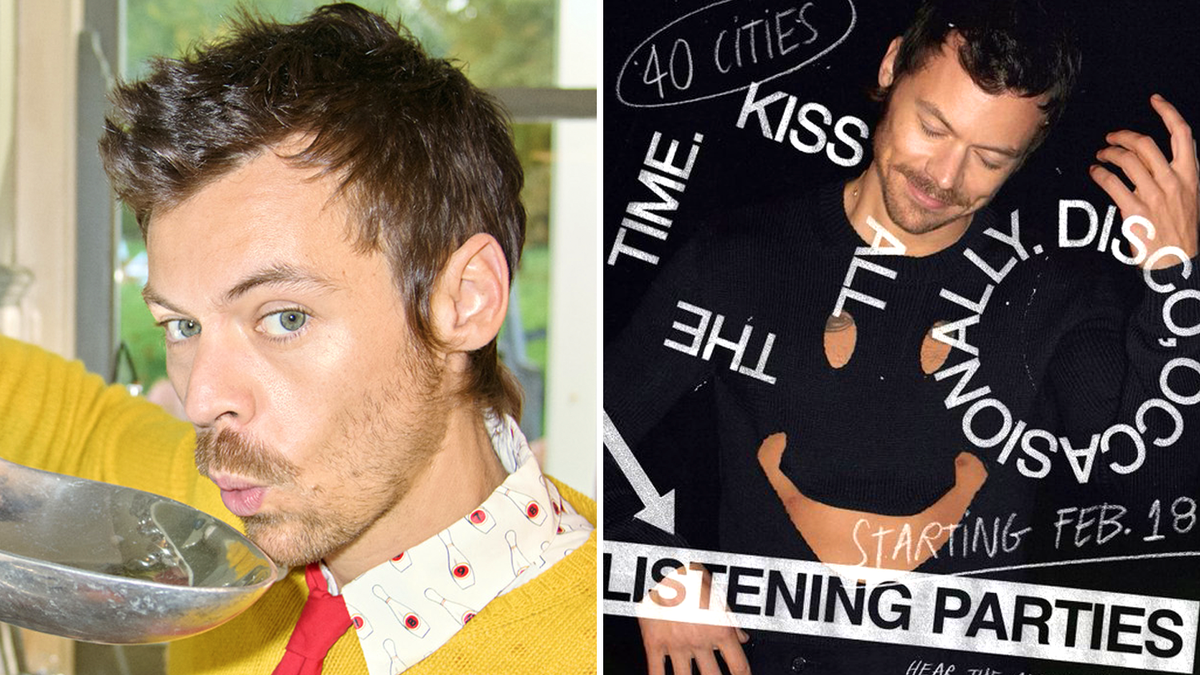
Strategic Implementation of Global Listening Parties
On February 12, 2026, the global music landscape shifted as administrative teams for Harry Styles confirmed a large-scale promotional rollout for the upcoming project titled Kiss All the Time Disco Occasionally. This strategy involves the synchronization of pre-release listening events across forty international cities, reflecting a sophisticated logistical framework designed to maximize early-stage engagement. By deploying localized events prior to a general digital release, the artist’s management utilizes a scarcity-driven model that prioritizes physical community attendance within a globalized digital market.
The administrative complexity of coordinating forty simultaneous or near-simultaneous events requires extensive institutional oversight and partnership with international venues. This deployment suggests a move toward experiential marketing, where the primary objective is to create a controlled environment for the initial consumption of audio material. Such a framework allows for the regulation of the auditory experience while fostering a high-density environment for fan interaction, which is a key component of modern pop music infrastructure.
The Logistics of High-Frequency Residency Models
Parallel to the listening party announcement is the confirmation of the Together, Together Tour, which includes a notable thirty-show residency at Madison Square Garden in New York City. This high-frequency booking represents a significant departure from traditional touring cycles that rely on constant geographic movement. By centralizing operations in a single major metropolitan hub for an extended period, the tour management optimizes logistical efficiency and reduces the carbon and financial costs associated with transcontinental transportation of stage equipment and personnel.
Institutional residencies of this scale serve as a strategic anchor for the local economy, drawing significant tourism and commerce to the surrounding urban infrastructure. This model also functions as a stabilization mechanism for the artist’s production team, allowing for a consistent performance environment that minimizes the variables often encountered in multi-city tours. The concentration of thirty dates in a single venue reflects a high level of market confidence and an understanding of New York City as a central node in the global entertainment network.
Digital Access and Market Dynamics
The acquisition of access to these events has surfaced institutional challenges regarding digital ticketing infrastructure, specifically within the frameworks provided by Ticketmaster. The high demand for the Together, Together Tour has highlighted the ongoing tensions between supply and digital delivery systems during periods of peak traffic. These dynamics underscore the role of large-scale ticketing platforms in mediating the relationship between the entertainment industry and the consumer public.
Structural bottlenecks in the ticketing process often lead to a high-pressure environment for consumers, which has been characterized in preliminary reports as a significant hurdle for entry. This aspect of the rollout illustrates the critical importance of digital commerce stability in the success of global entertainment ventures. When digital systems face unprecedented volume, the resulting administrative friction becomes a focal point for institutional critique regarding how access to cultural events is managed and distributed.
Visual Identity and Participatory Systems
The branding of the upcoming events, particularly the references to disco aesthetics and specific outfit requirements, indicates a highly structured participatory system. By providing outfit inspiration and thematic directives, the artist’s creative team establishes a visual protocol that fans are encouraged to follow. This creates a cohesive aesthetic environment that transcends the music itself, turning the audience into a visual extension of the brand’s artistic direction.
This participatory framework functions as a form of cultural labor, where the audience contributes to the overall atmosphere and visual success of the tour and listening parties. The thematic focus on disco suggests a specific historical and stylistic reference point that informs the dress code and event atmosphere. Within the context of the music industry, these directives serve to deepen the immersion of the consumer, ensuring that the event is perceived as a holistic experience rather than a singular auditory one.
Media Context and Structural Significance
The announcement of these events on February 12, 2026, serves as a significant case study in modern media rollout strategies. By leveraging both localized listening parties and a massive residency, the artist’s team addresses the dual needs of global reach and local intensity. This hybrid approach ensures that while 40 cities receive a specialized experience, the core performance remains a prestigious, high-demand residency that attracts global attention to a single location.
In a structural sense, this rollout demonstrates the evolution of the pop star as a multi-city institutional entity. The ability to coordinate such vast logistical and promotional efforts indicates a high level of institutional maturity and financial backing. This strategy not only serves the immediate goal of promoting the new album but also reinforces the artist’s position within the global hierarchy of the entertainment industry, where the ability to command such significant resources is a primary indicator of market dominance.