
Institutional Overview of the Caribbean Maritime Incident
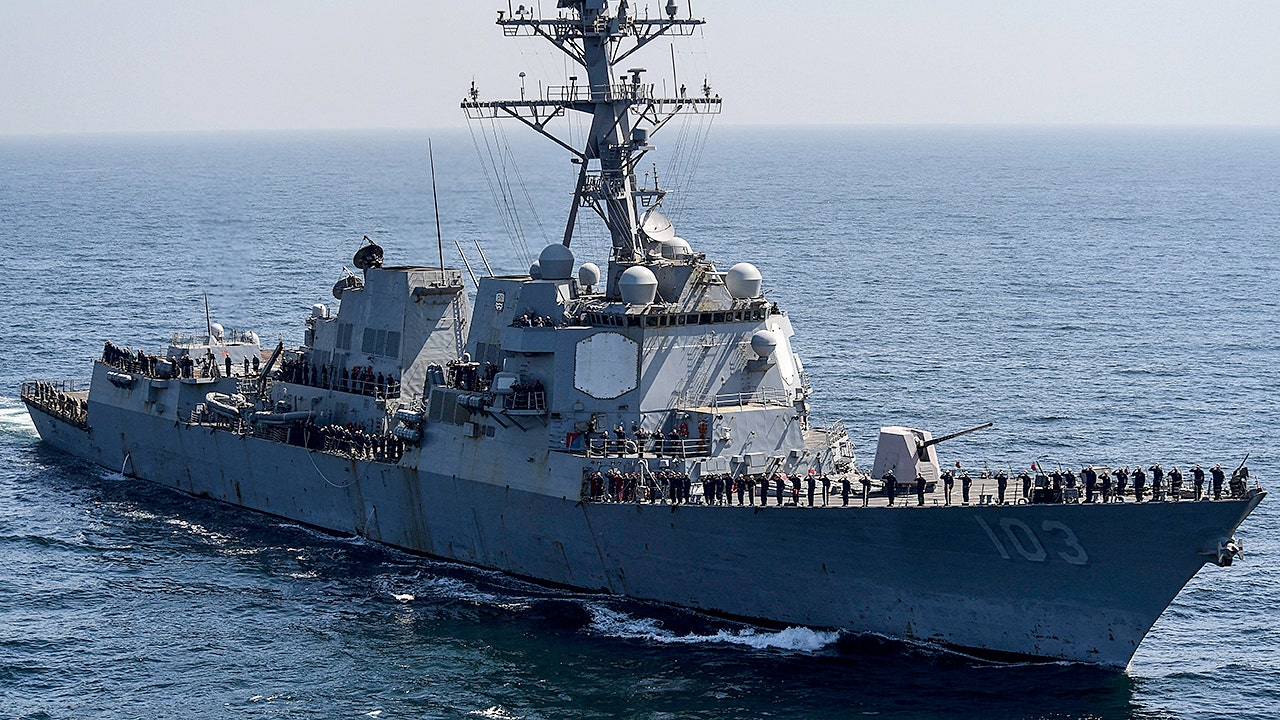
A maritime collision involving a United States Navy destroyer and a logistical supply ship occurred on Wednesday afternoon in the waters near South America. Military officials have confirmed that the incident took place within the context of an ongoing operational build-up in the Caribbean region. The collision resulted in injuries to two sailors, highlighting the inherent risks associated with high-density naval maneuvers in strategic maritime corridors.
The vessel identified in the official reports is an Arleigh Burke-class guided-missile destroyer, a cornerstone of the American naval fleet designed for multi-mission environments. These ships are frequently paired with supply vessels to maintain operational endurance without the need for frequent port visits. The interaction between these two classes of ships is a critical component of sustained maritime presence, though it requires precise navigational synchronization and rigorous adherence to safety protocols.
Operational Dynamics of Arleigh Burke-Class Deployments
The Arleigh Burke-class destroyer represents a significant institutional investment in maritime security and power projection. These vessels are equipped with complex radar systems and integrated combat suites, making them essential for regional stability operations. When operating in the Caribbean and near South American waters, these ships often serve as the primary platform for monitoring and intercepting activities within the maritime domain.
Supply ships, which serve as the logistical backbone of naval operations, are responsible for the transfer of fuel, munitions, and dry goods. The proximity required for these logistical exchanges, known as underway replenishment, creates a complex operational environment where structural and mechanical failure can lead to significant contact incidents. While the specific cause of this collision remains under review, the administrative process for investigating such events is standardized across the Department of the Navy.
The Framework of Regional Maritime Build-Up
The presence of these vessels in the Caribbean is part of a broader strategic initiative referred to in source documents as a regional build-up. This institutional shift involves an increased density of assets deployed to monitor transit lanes and maintain a visible presence in the Western Hemisphere. Such escalations in ship density naturally increase the frequency of close-quarters maneuvers, which may contribute to the probability of operational mishaps.
The strategic importance of the Caribbean and South American littoral zones cannot be overstated in the context of institutional defense policy. These waters serve as vital corridors for international commerce and are central to the maintenance of regional security frameworks. The deployment of high-value assets like guided-missile destroyers indicates a high level of priority placed on these maritime boundaries by the United States military leadership.
Safety Protocols and Investigative Procedures
Following a collision between naval assets, the military initiates a multi-layered investigative process to determine the sequence of events and identify any deviations from standard operating procedures. This institutional response typically includes a Safety Investigation Board and a separate administrative review to evaluate command decisions. The goal of these proceedings is to prevent future occurrences by addressing technical, procedural, or human factors that may have contributed to the incident.
The injuries sustained by the two sailors are managed through established military medical protocols, which prioritize the stabilization and transfer of personnel from sea to shore-based facilities if necessary. The welfare of the crew remains a primary concern for the naval command, as the human element is the most critical component of maritime readiness. Damage assessments of the Arleigh Burke-class destroyer and the supply ship are also a priority to determine the impact on mission readiness and regional asset availability.
Structural Implications for Maritime Strategy
The collision serves as a point of analysis for naval architects and strategic planners regarding the durability and operational constraints of modern warships. Any incident involving a guided-missile destroyer necessitates a thorough review of the ship’s structural integrity and its ability to continue its designated mission. In the context of a regional build-up, the temporary removal of a primary asset for repairs can have cascading effects on the scheduling and deployment of other units.
From an institutional perspective, the Caribbean remains a theatre of high operational tempo, where the balance between tactical speed and navigational safety is constantly tested. The administrative oversight of these deployments is managed through a chain of command that emphasizes risk mitigation and the preservation of high-value hardware. As the investigation progresses, the findings will likely influence future training cycles and the refinement of maneuvering procedures for ships operating in close proximity.
Legal and Procedural Context of Naval Accusations
It is important to note that descriptions of the collision and the circumstances surrounding it do not constitute judicial findings of negligence or fault. The determination of responsibility is a formal legal process handled through the Judge Advocate General’s Corps and higher administrative authorities. Until such reviews are completed, the details provided by military officials remain preliminary accounts of the physical contact between the two vessels.
The transparency regarding the injuries to sailors and the types of ships involved is a standard aspect of public affairs protocols intended to keep the domestic and international public informed. This reporting ensures that the institutional activities of the Navy are documented while maintaining the necessary security regarding specific ship locations and tactical data. The collision remains a significant administrative event that will be scrutinized within the broader context of maritime safety and regional defense policy.
Photo by sundownerfighting111 on Pixabay.