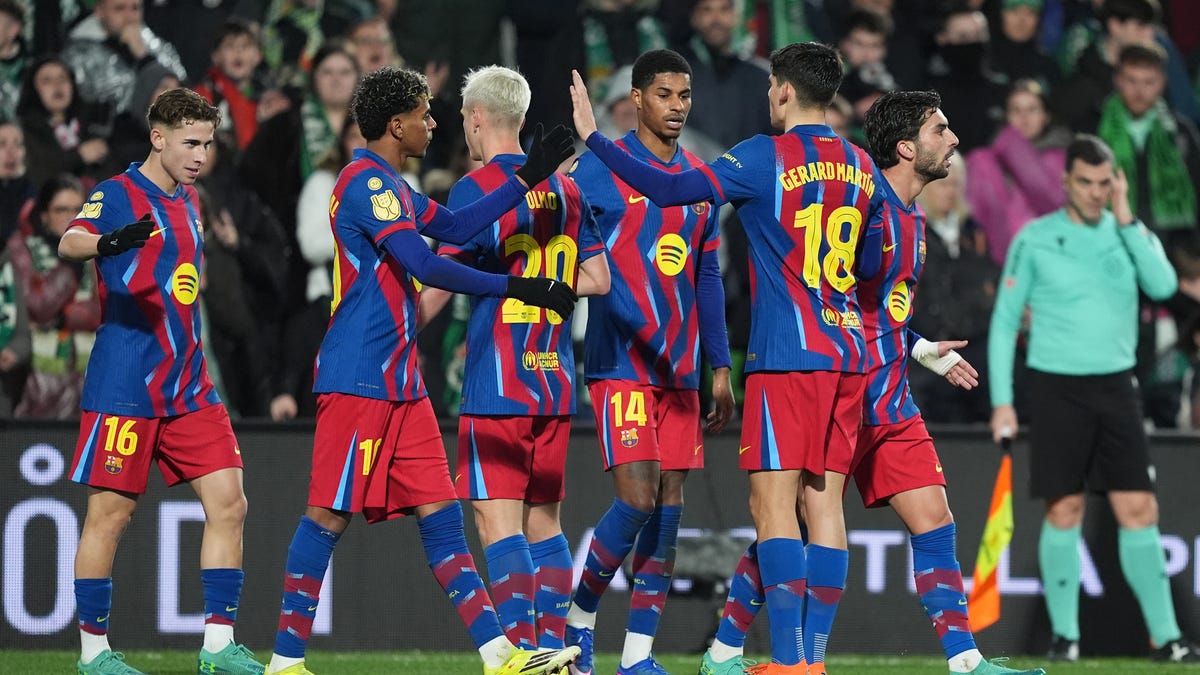
The Institutional Significance of the Copa del Rey Semifinal
The Copa del Rey, organized by the Royal Spanish Football Federation (RFEF), functions as a critical pillar in the hierarchy of European domestic knockout competitions. The semifinal round represents a distinct administrative phase, moving beyond the preliminary elimination brackets to establish the final contestants for one of Spain’s most historically significant trophies.
For institutions such as Atlético de Madrid and FC Barcelona, the tournament serves as a primary vehicle for achieving seasonal objectives and maintaining organizational standing within the global football hierarchy. This fixture is categorized as a modern classic, reflecting the persistent structural rivalry between two of the most robust sporting entities in the Iberian Peninsula.
The Continuity of Leadership as an Administrative Strategy
Diego Simeone’s tenure at Atlético de Madrid, which commenced on December 23, 2011, represents an anomaly in the context of contemporary managerial turnover. His long-term presence has fostered a stable administrative environment that has reshaped the club’s identity and its competitive relationship with FC Barcelona.
Under this leadership model, the club has transitioned through various phases of institutional growth, maintaining a consistent tactical and philosophical framework. This continuity is a key factor in the strategic planning of the organization, as it allows for long-term project development that is rarely seen in professional sports management.
Commercial Infrastructure and Venue Management
The Riyadh Air Metropolitano serves as the physical and commercial foundation for this semifinal encounter. The stadium’s naming rights and operational structure highlight the increasing integration of international corporate interests into the administrative landscape of Spanish football.
By hosting major events of this magnitude, the venue operates as a critical asset for revenue generation and global branding. The institutional shift from the previous stadium to this modern facility in recent years underscores a broader strategy of modernization and economic expansion implemented by the club’s board of directors.
Media Distribution and the Global Viewing Market
The scheduling of this semifinal is specifically calibrated to accommodate a diverse international audience, with particular emphasis on markets in Mexico and the United States. This geographical targeting is a result of complex media rights negotiations aimed at maximizing the global footprint of Spanish footballing products.
Broadcast protocols for the 2026 season reflect a sophisticated approach to content delivery, ensuring that viewers in the Americas can access high-definition coverage in accordance with regional licensing agreements. The administrative coordination between the RFEF and international media partners remains essential for the successful execution of these high-profile broadcasts.
Tactical and Structural Dynamics of the Encounter
The semifinal phase of the Copa del Rey necessitates a high degree of technical preparation and structural discipline from both coaching staffs. This stage of the competition is governed by specific regulations regarding squad rotation and match management, which directly influence the strategic decisions made on the sidelines.
As the competition enters this decisive phase, the institutional pressure to perform increases, reflecting the high stakes associated with reaching the final. The historical record between these two clubs suggests a recurring cycle of competitive tension that defines the strategic landscape of the modern Spanish game.
Institutional Outcomes and Strategic Implications
Participation in the Copa del Rey semifinals provides both Atlético de Madrid and FC Barcelona with the opportunity to reinforce their brand value and competitive prestige. The outcome of these matches carries significant weight in the assessment of the seasonal performance of each administrative body.
Beyond the immediate result, the continued presence of these institutions at the highest levels of the tournament validates their long-term investment strategies and organizational structures. The fixture remains a benchmark for excellence in the administration and execution of professional football at the international level.