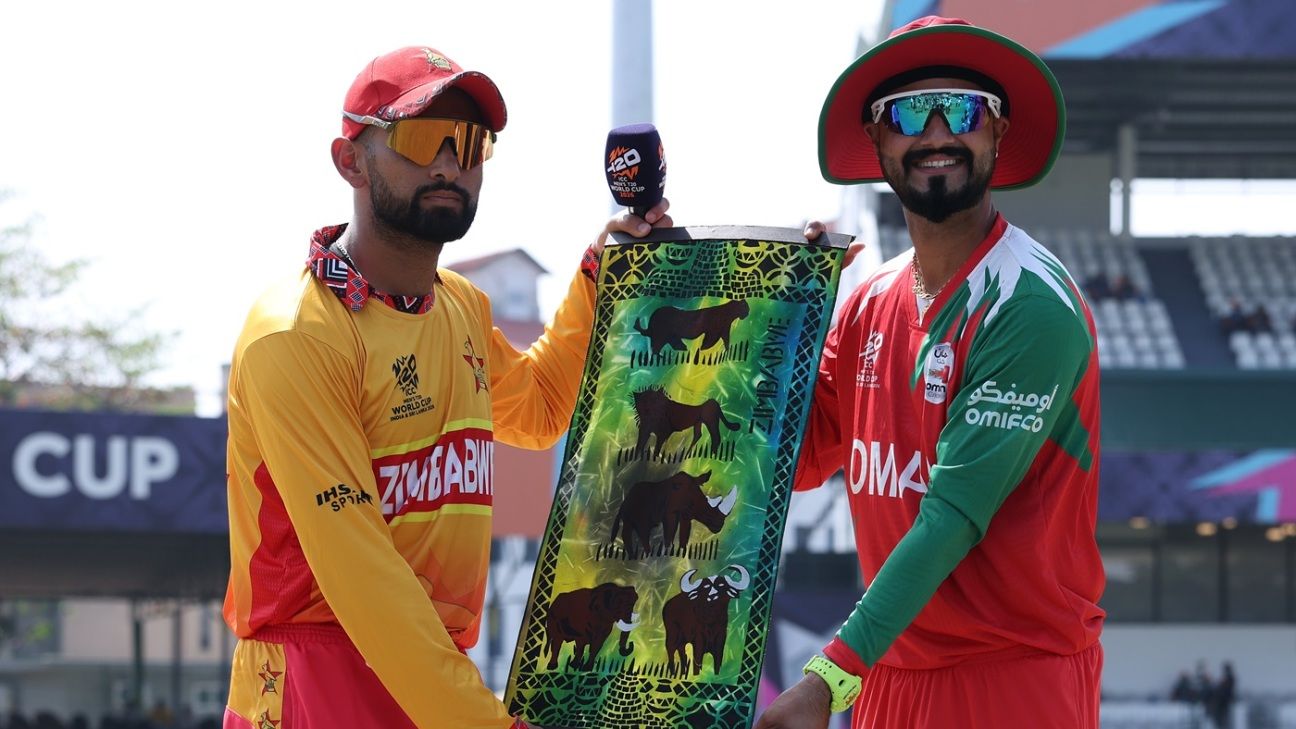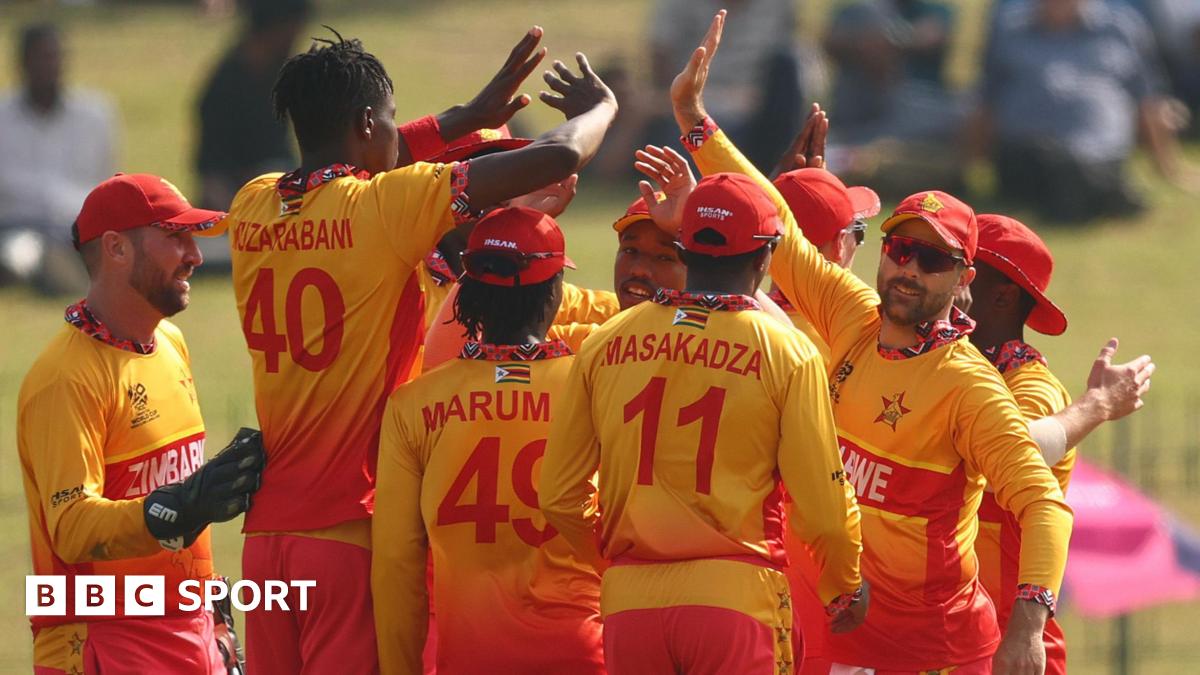
Zimbabwe initiated their campaign in the T20 World Cup with a decisive victory over Oman, as documented in match reports and official statements. This opening fixture saw Zimbabwe secure a comfortable eight-wicket win, setting an early positive tone for their tournament aspirations. The outcome underscored the strategic importance of commencing a major international competition with a strong performance, establishing critical momentum for a team’s progression through the structured phases of global cricket.
The Global Stage of T20 Cricket: A Structured Competition
The T20 World Cup represents a pinnacle event within the international cricket calendar, bringing together national teams from various cricketing nations to compete for a global title. These tournaments are meticulously structured by the International Cricket Council (ICC), the sport’s global governing body, to foster competition, enhance cricket’s global appeal, and provide a platform for national pride and sporting excellence. The framework involves rigorous qualification pathways, ensuring that participating teams have earned their place through consistent performance in regional and international competitions, thereby maintaining a high standard of competitive integrity.
Participation in such a high-profile event is the culmination of extensive preparation cycles for national cricket boards and their respective teams, often spanning years. These cycles involve significant investment in infrastructure, talent identification, and player development programs, alongside rigorous training camps, bilateral series, and strategic planning sessions designed to optimize player readiness and team cohesion. For nations, success in the T20 World Cup carries not only sporting prestige but also considerable economic and reputational stakes, influencing sponsorships, broadcasting rights, and the overall profile of cricket within their respective countries.
Tactical Execution and Data-Driven Decision-Making
In the match against Oman, Zimbabwe’s captain, Sikandar Raza, made a key tactical decision at the toss, opting for his team to bowl first. This choice is a common yet profoundly strategic move in T20 cricket, heavily influenced by sophisticated pre-match analyses of anticipated pitch conditions, meteorological forecasts including dew considerations, and the known strengths and weaknesses of both batting and bowling units. Modern cricket increasingly leverages data analytics and sports science to inform these critical decisions, moving beyond intuition to evidence-based strategy formulation.
The strategic rationale behind electing to bowl first can vary, encompassing a desire to assess the playing surface’s behavior under match conditions, exploit atmospheric conditions that might favor bowlers early in the innings, or gain a psychological advantage by knowing the precise target required for victory. Such decisions are typically the result of extensive collaboration between the captain, head coach, and support staff, considering historical data, recent form, and specific player matchups. The return of a key player like Muzarabani, as referenced in pre-match discussions, further illustrates a deliberate approach to team composition and tactical execution, aimed at maximizing specific bowling strengths within the prevailing match conditions and overall tournament strategy.
Player Performance, Developmental Pathways, and Campaign Momentum
Zimbabwe’s comfortable victory was significantly anchored by individual contributions, notably an unbeaten 48 from Brian Bennett. Such performances are often pivotal in the fast-paced, high-pressure format of T20 cricket, providing the stability and impetus required to either achieve a target or set a formidable total. An unbeaten innings of this nature highlights not only individual skill and technical proficiency but also exceptional mental fortitude and composure under competitive pressure, contributing substantially to the team’s overall success and affirming the efficacy of national talent development pathways.
Beyond individual brilliance, the “comfortable eight-wicket win” signifies a comprehensive team effort, where various components of the game – bowling discipline, effective fielding, and aggressive yet calculated batting – aligned effectively. For a team embarking on a World Cup campaign, a dominant opening performance serves as a powerful confidence booster, validating their preparatory strategies and fostering a sense of collective capability. This early momentum is crucial for navigating the demanding schedule and high-stakes environment of a major international tournament, influencing subsequent performances, team dynamics, and the broader narrative surrounding the team’s prospects.
The Operational Framework of Global Sporting Events: Beyond the Field
The logistical complexities inherent in organizing and participating in international cricket tournaments are substantial, reflecting a vast administrative and operational network. The mention that “both teams were pleased to arrive in Sri Lanka” subtly acknowledges the intricate efforts involved in global sporting events, from securing visas and managing international travel to arranging secure accommodations and world-class training facilities. National cricket boards, in conjunction with the ICC and host nation organizers, undertake extensive planning to ensure the seamless execution of these logistical elements.
Host nations like Sri Lanka, through premier venues such as the SSC in Colombo, play a critical role in providing the necessary infrastructure and environment for competitive play. This includes maintaining world-class stadiums, state-of-the-art practice facilities, robust security protocols, and medical support systems. Furthermore, the ICC enforces strict regulations covering anti-doping, player integrity, and match officiating, all designed to uphold the sport’s credibility and ensure a level playing field. The successful execution of these multifaceted logistical and regulatory elements is fundamental to the integrity and professionalism of international cricket, allowing athletes to focus solely on their performance on the field without undue external distractions, thus maintaining the continuous global operation of the sport.
Institutional Relevance of Early Tournament Success: Strategic Value
An opening victory in a major tournament carries significant institutional weight beyond the immediate match result. For national cricket federations, such a win can reinforce confidence in their investment in player development, coaching staff, and strategic planning, potentially attracting further governmental and commercial support. It also provides valuable and immediate data points for performance analysis, allowing coaching staff to evaluate their strategic approaches, identify emerging strengths, and pinpoint areas for refinement as the tournament progresses towards its more critical stages.
From a competitive standpoint, early successes contribute directly to a team’s standing within their group, which is crucial for advancing to later stages. Factors such as Net Run Rate (NRR), a critical tie-breaker in many tournament formats, begin to accumulate from the very first match. Therefore, a dominant victory, characterized by a significant margin of victory or few wickets lost, can offer a crucial advantage in tightly contested groups, potentially deciding qualification for the next phase. This structural aspect of tournament play underscores why every match, particularly at the outset, is approached with maximum strategic intent by all participating nations, understanding its potential long-term implications for progression.
Global Governance, Strategic Positioning, and Development Pathways
The International Cricket Council (ICC) acts as the global governing body for cricket, responsible for the overarching organization and regulation of international competitions, including the T20 World Cup. Through its comprehensive framework, the ICC ensures fair play, establishes competition rules, manages the global calendar, and facilitates logistical coordination across its numerous member nations. For national cricket boards like Zimbabwe Cricket and Oman Cricket, participation in an ICC-sanctioned event like the T20 World Cup is integral to their long-term strategic objectives, offering unparalleled opportunities for player development, national team exposure, and strengthening their standing within the global cricketing community.
These tournaments are not merely isolated sporting contests but are deeply embedded within a larger strategic vision for the sport’s growth and development globally. They provide a vital platform for both established cricketing nations and developing or associate member nations to compete against each other, thereby elevating their international profile, attracting further investment, and fostering the development of local talent. The performance of national teams in these major events directly influences their future funding allocations, opportunities for bilateral series, and overall recognition within the ICC’s tiered structure of international cricket. Thus, an early win is a vital step in achieving broader institutional and strategic goals, contributing to the nation’s cricketing trajectory.
The Broader Narrative of International Sport and Media Engagement
The contest between the Oman and Zimbabwe national cricket teams, while a specific event within a larger tournament, contributes significantly to the ongoing and dynamic narrative of international sport. It highlights the deeply structured competition inherent in global athletic endeavors, where teams represent their nations on a world stage, embodying national aspirations and sporting identities. Each match result, each strategic decision, and each individual performance contributes to a larger tapestry of national sporting identity, international rivalry, and the continuous evolution of the sport.
This dynamic interplay between individual skill, collective team strategy, and comprehensive institutional governance defines the modern landscape of global cricket. The continuous cycle of competition, rigorous evaluation, and strategic adaptation is fundamental to how national teams evolve, learn, and strive for sustained excellence on the international stage. The T20 World Cup, as a premier example of this system in action, demonstrates how discrete sporting events are interconnected within a sophisticated framework designed to promote the sport, celebrate its athletes, and engage a global audience through extensive media coverage and digital platforms, thereby enhancing its commercial viability and cultural impact worldwide.