Strategic Imperatives: Getafe’s Risk Management vs. Athletic’s High Stakes
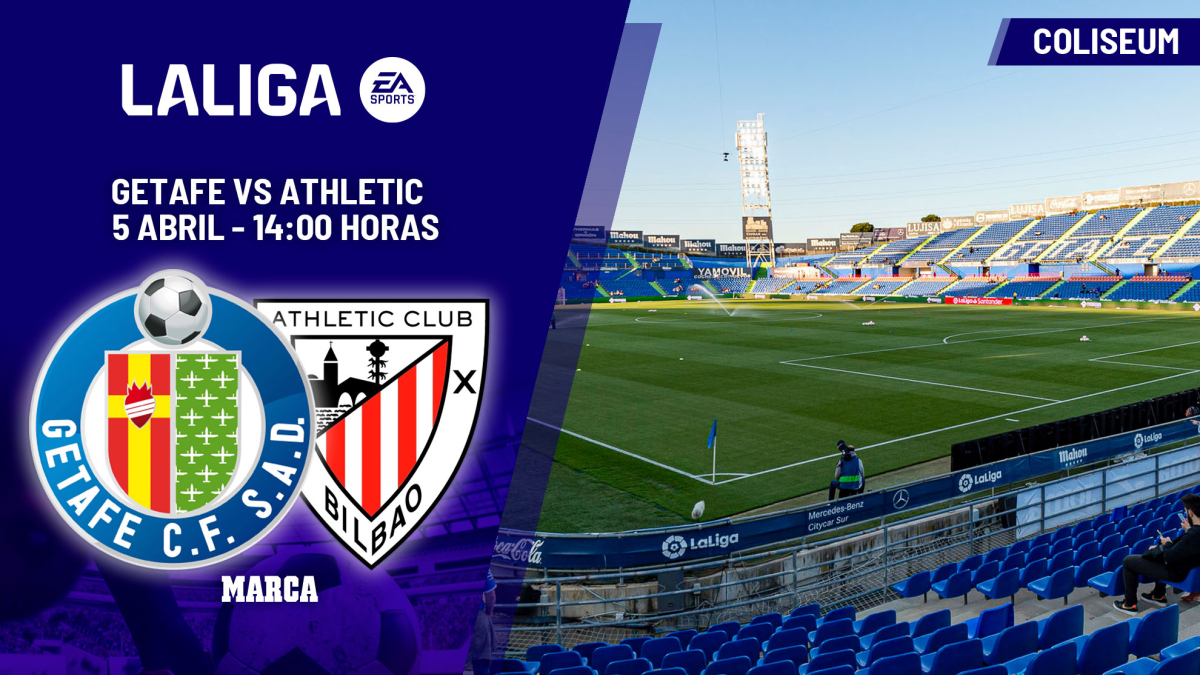
The upcoming clash between Getafe and Athletic Club represents a definitive strategic junction in the LaLiga season, moving beyond a standard league fixture to a high-stakes competitive analysis. Getafe’s strategic imperative is twofold, prioritizing the mathematical assurance of top-flight permanence before pursuing European qualification. This reflects a prudent risk management strategy under manager José Bordalás, where long-term financial stability secured by avoiding relegation takes precedence over the high-risk, high-reward gamble of continental competition. For Getafe, European participation would represent a significant financial windfall, allowing for increased investment and enhanced competitive positioning, but only after fundamental league security is achieved.
Athletic Club, conversely, enters this fixture with a singular and high-stakes objective: securing European qualification. Having distanced itself from relegation concerns, the club’s strategy hinges entirely on translating its strong league position into a European berth. The financial implications for Athletic are distinct from Getafe’s. Given Athletic’s unique institutional model focused on developing local talent, consistent European revenue streams are essential for retaining key players and competing with clubs that operate on larger transfer budgets. Failure to qualify for Europe would result in a significant loss of revenue, impacting long-term strategic planning and talent retention.
Tactical Analysis: Vulnerabilities and Performance Paradoxes
Getafe faces significant operational vulnerabilities heading into the match, primarily centered on a compromised defensive depth. The simultaneous absence of three key defenders—Abqar, Kiko Femenía, and Nyom—necessitates significant tactical adjustments by Bordalás. While the returns of Davinchi and Abu Kamara provide options, their potential lack of match fitness creates a tactical risk. Getafe’s identity is built on defensive solidity and counter-attacking efficiency; a compromised back line increases their exposure and limits their ability to execute this core strategy, creating a clear strategic opening for Athletic Club.
Athletic Club’s primary tactical challenge lies in its pronounced operational asymmetry between home and away performances. While maintaining strong form at San Mamés, the team has struggled significantly on the road, securing only one victory in its last seven away league fixtures. This disparity highlights a structural inconsistency that undermines the club’s overall strategic objective. However, a significant historical paradox exists: Athletic has remained undefeated in its last six visits to Getafe since 2019, securing two victories and four draws. This historical trend suggests a potential tactical mismatch at this specific venue, contradicting Athletic’s general poor away form and creating a unique dynamic for both teams.
Key Personnel and Performance Leverage
The return of key personnel for both teams introduces new variables that can leverage performance and influence tactical outcomes. For Athletic Club, the availability of Nico Williams and Yeray provides a significant boost to both offensive and defensive capabilities. Nico Williams’s return, specifically, addresses a critical need for offensive dynamism, which is often lacking in Athletic’s away performances. His ability to create scoring chances and exploit space is central to breaking down Getafe’s typically compact defensive structure. The source highlights the threat posed by the Williams brothers, indicating a strategic focus on individual performance leverage.
The historical performance of Iñaki Williams at the Coliseum, where he has scored five goals, further underscores the importance of individual player leverage in high-stakes matches. This historical data point suggests a potential tactical vulnerability specific to Getafe’s defense against Iñaki Williams’s style of play. For Getafe, the reliance on players like Satriano to lead the attack highlights the importance of maintaining a consistent offensive structure. The performance of these key individuals will be central to the strategic outcome of the match, as both teams seek to exploit specific player strengths to compensate for broader tactical vulnerabilities.