
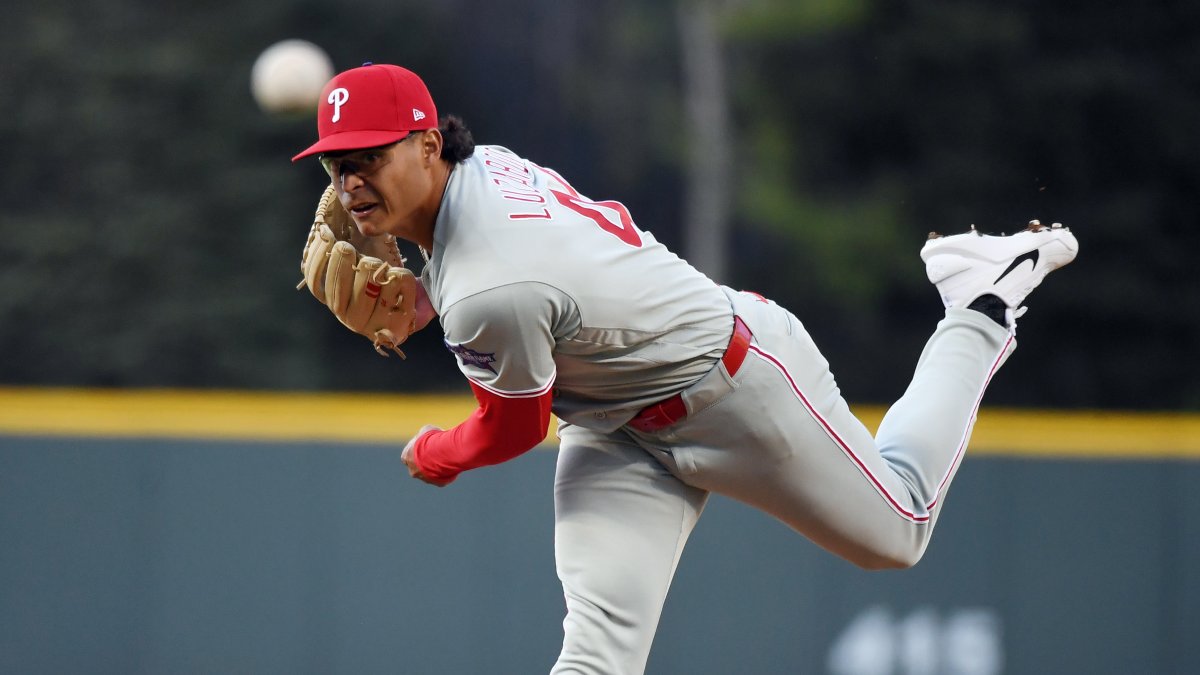
Strategic Mechanical Adjustments: The Case of Jesús Luzardo
Jesús Luzardo’s performance against the Colorado Rockies exemplifies the critical nature of early-season mechanical recalibration. Following an initial outing marred by high-leverage errors, his shift toward a strikeout-centric approach at Coors Field demonstrates the necessity of adapting pitch execution to high-altitude variables. By emphasizing command over velocity, Luzardo successfully mitigated the impact of the long ball, underscoring that sustainable success in modern baseball relies heavily on a pitcher’s ability to maintain a tight relationship between sequencing and location.
The Operational Impact of In-Season Refinement
Luzardo’s 6.2-inning outing suggests that proactive mechanical adjustments remain a primary differentiator for elite rotations. For the Phillies, the capacity to identify and rectify inefficiencies between starts is vital to maintaining a competitive edge over a 162-game schedule. His tactical deployment against a right-hand-dominant lineup serves as a performance benchmark for navigating unconventional ballpark environments, proving that data-driven risk management is essential when conventional pitch usage patterns fail.
Institutional Adaptability: Chase Dollander and Roster Depth
The Colorado Rockies’ deployment of Chase Dollander highlights the increasing necessity for organizational flexibility. Following Jose Quintana’s injury, the transition of a top prospect into a bulk-relief role demonstrates a shift in how franchises manage pitching depth. Dollander’s 71-pitch workload signals that the Rockies are balancing immediate rotation stability with long-term developmental objectives.
Hybrid Roles and Asset Management
The industry-wide move toward hybrid pitching roles—bridging the traditional gap between starting rotations and specialized relief—is a direct response to the rising frequency of soft-tissue injuries. Dollander’s usage provides the organization with granular data on his durability and adaptability. This integration of a high-leverage prospect into a situational role acts as a modern case study in optimizing internal resources while safeguarding future rotation assets.
Systemic Shifts in 2026 Pitching Strategy
The trajectories of Luzardo and Dollander reflect an industry-wide pivot toward adaptive, data-informed pitching frameworks. As physical stressors and environmental conditions increase, teams are abandoning rigid, traditional role definitions in favor of dynamic, situational management. This institutional focus on mechanical efficiency and load regulation signifies a fundamental evolution in how pitching talent is cultivated. These developments demonstrate a broader effort to mitigate performance volatility, ensuring that teams maintain high-performing rosters capable of navigating the narrow margins of error present in current Major League Baseball.

Photo by hellosoyeon on Pixabay.