Equity futures are staging a technical rebound following substantial declines, driven by a sharp repricing of risk assets amid escalating geopolitical instability and consequent commodity price spikes. This cautious sentiment precedes the crucial release of U.S. inflation data, specifically the Personal Consumption Expenditures (PCE) index, which serves as the Federal Reserve’s primary gauge for monetary policy calibration.
Geopolitical Imperative vs. Inflation Trajectory
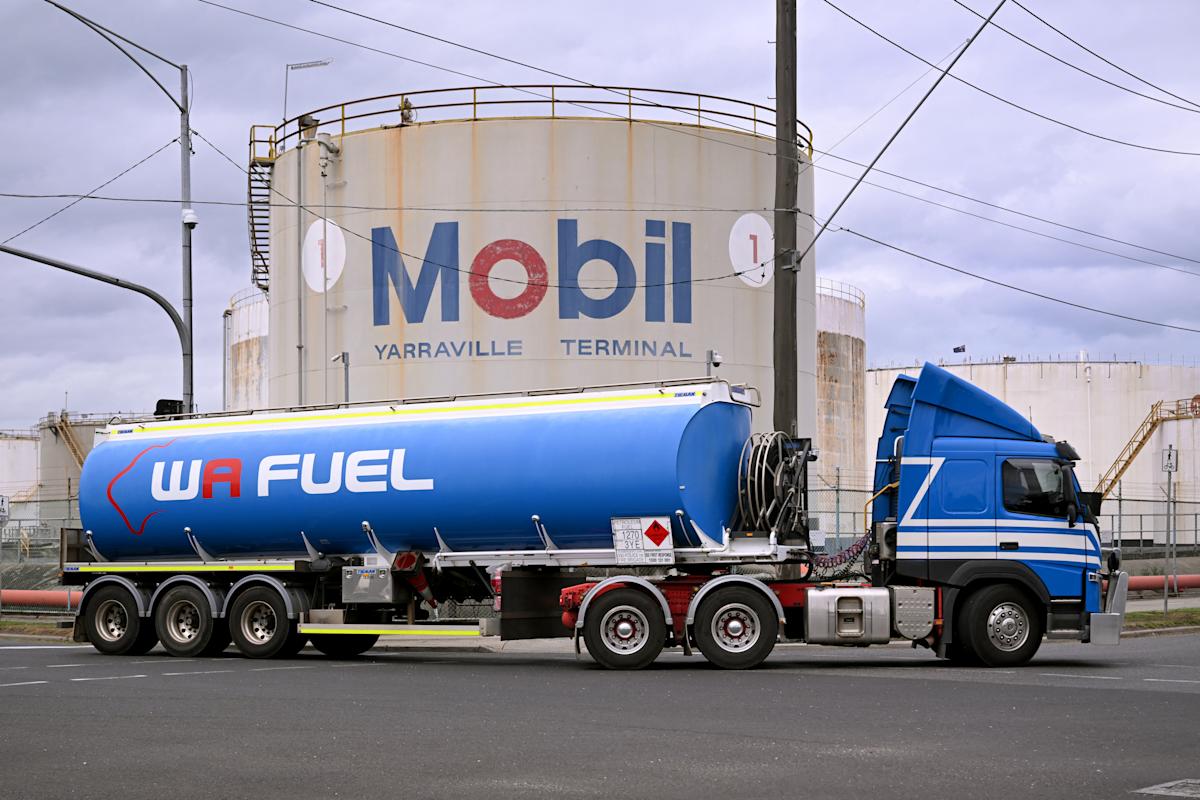
The immediate overhang on markets stems from hardening rhetoric surrounding the Strait of Hormuz. Statements advocating for sustained disruption of this vital energy chokepoint have injected a palpable, persistent risk premium into global crude benchmarks (Brent/WTI). This energy inflation acts as a direct, exogenous input shock, fundamentally disrupting the disinflationary path the Federal Reserve has targeted.
Analysis indicates that this energy component is currently the dominant external threat to achieving the Fed’s 2% inflation objective, potentially outweighing domestic factors like AI capital deployment or private credit expansion. Sustained impairment of the Strait beyond a three-month horizon risks shifting short-term volatility into a structural economic problem, demanding recalibration across long-term capital allocation strategies.
Fixed Income Dislocation as Systemic Barometer
While equities reflect immediate sentiment, a more profound structural stress is reportedly manifesting in the long-duration sovereign debt market. The sharp upward repricing in long bonds signifies institutional investors demanding a higher yield premium to absorb protracted inflation risk or extended policy uncertainty. This divergence between equity pausing and bond market stress signals a fundamental debate: Is the inflation risk transitory or regime-defining?
The previous session’s sell-off—S&P 500 (-1.5%), Dow (-1.6%), Nasdaq (-1.8%)—underscored sensitivity to energy costs. However, the structural shock is now best measured by the fixed-income market’s expectation of a higher long-term risk-free rate, impacting corporate financing costs and the valuation of long-duration growth assets.
PCE Data Under the Shadow of Supply Shocks
The impending January PCE release is now subject to a severe interpretive hurdle. While the data captures price dynamics preceding the peak of the recent oil spike, its core signal regarding underlying, domestically-driven inflation trends is obscured. Elevated energy costs immediately deflate projections for near-term Fed rate cuts, compelling the market to price in a duration extension of current restrictive monetary settings.
Ancillary Labor Signals: JOLTS and UoM Sentiment
To triangulate the underlying economic health, attention is fixed on secondary labor market indicators, including the January JOLTS report and the University of Michigan Consumer Sentiment Index. A robust labor market (strong job openings) provides the Fed latitude to tolerate supply-side inflation without immediate tightening. Conversely, cooling sentiment amplifies concerns that cumulative rate hikes, exacerbated by energy costs, are inducing demand contraction.
Strategic Reorientation and Corporate Resilience
Portfolio managers face a tactical imperative to pivot away from purely growth-sensitive assets toward those offering intrinsic inflation hedges or lower duration exposure. Sectors reliant on stable, cheap energy face acute reassessment, favoring energy producers and defensive staples. Corporations must stress-test supply chains against sustained energy volatility, shifting procurement philosophy from cost minimization to supply security maximization—a shift that embeds structurally higher baseline costs.
The Inflation Mandate vs. External Shocks
The market’s vigilance regarding the PCE data is tied directly to the Fed’s communication strategy. If the core PCE deceleration is insufficient to quarantine the oil-driven headline jump as transitory, the central bank will be pressured to signal higher-for-longer rates. A successful ‘quarantine’ relies on the Fed credibly framing the energy spike as a non-monetary phenomenon, requiring exceptionally precise institutional messaging.
Structural Confluences: AI, Credit, and Consumer Pass-Through
The energy crisis intersects with the capital deployment into AI infrastructure and the expansion of private credit. AI creates non-cyclical input demand, potentially creating structural bottlenecks; meanwhile, the opacity of private credit introduces poorly monitored systemic liquidity risks, complicating overall financial stress assessment for the Fed.
Furthermore, sector-specific pressures are emerging, exemplified by litigation against retailers (e.g., Costco) regarding cost pass-through from tariffs and commodity prices. This highlights the acute pressure on high-volume, low-margin businesses forced to absorb external costs or risk consumer attrition, further complicating the path of consumer spending measured by sentiment surveys.
Conclusion: Navigating the Inflection Point
The convergence of geopolitical supply risk, key inflation data, and structural financial dynamics (AI, private credit) defines the current inflection point. Equity market stability is fragile; the dominance of the sustained energy impairment threat and the corresponding erosion of rate cut expectations suggest elevated volatility will persist. The performance of long-duration bonds remains the most reliable barometer of institutional belief regarding the longevity of current inflationary headwinds and the feasibility of a soft landing under these complex, externally imposed constraints.