Strategic Segmentation in Digital Puzzle Architecture
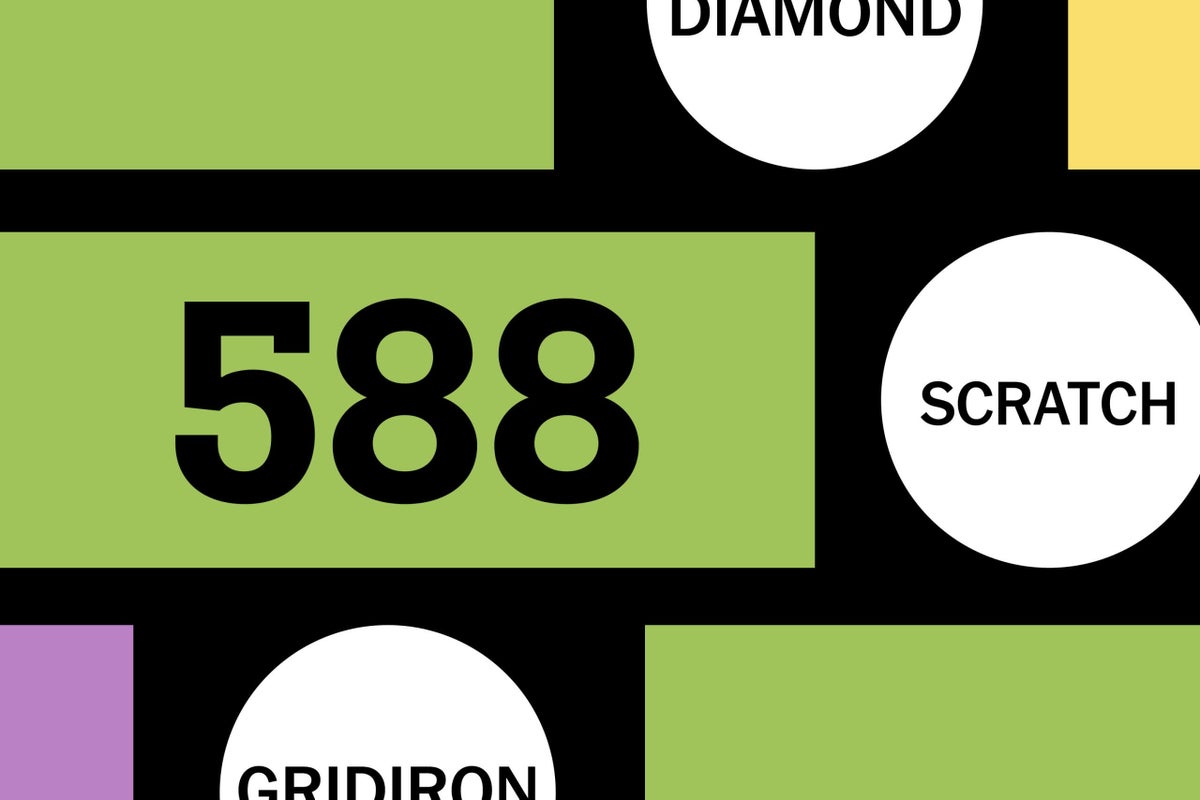
The May 4, 2026, iteration of the New York Times Connections: Sports Edition (No. 588) exemplifies a sophisticated pivot toward niche audience segmentation. By deploying specialized sports-centric taxonomies, the platform leverages niche cultural capital to sustain user retention. This strategic layering differentiates between general literacy and expert-level historical synthesis, maintaining a difficulty equilibrium that rewards statistical and biographical knowledge.
The Structural Semantics of Play (Yellow Category)
The ‘Fields of Play’ category—comprising Diamond, Gridiron, Hardwood, and Rink—serves as the puzzle’s cognitive anchor. These terms represent the structural environments of North America’s premier professional sports. While semantically accessible, their placement establishes a baseline for pattern recognition, rewarding the player for identifying foundational industry nomenclature before moving into more abstract thematic groupings.
Municipal Branding and Market Expansion (Green Category)
Focusing on Toronto’s professional landscape, the inclusion of the Blue Jays, Maple Leafs, Raptors, and Tempo highlights the role of geographic density in sports branding. The presence of the ‘Tempo’ alongside legacy franchises indicates an updated lexicon, requiring players to possess contemporary awareness of league expansions. This category tests the intersection of municipal identity and modern sports market dynamics.
Linguistic Polysemy and Technical Jargon (Blue Category)
The billiards-focused blue category (Break, English, Rack, Scratch) demonstrates the use of technical polysemy to create cognitive friction. Words like ‘English’ and ‘Scratch’ function as semantic decoys, potentially leading players toward nationalistic or general linguistic themes. Success in this category requires the isolation of mechanical terminology from broader conversational contexts, a hallmark of high-tier puzzle design.
Biographical Historiography: The Calipari Taxonomy (Purple Category)
The most complex category synthesizes the coaching career of John Calipari, linking the Minutemen, Nets, Razorbacks, and Wildcats. This grouping demands an advanced level of historical memory, tracing a trajectory through the Atlantic 10, NBA, and SEC. By mapping disparate collegiate and professional eras into a singular narrative, the puzzle represents the peak of chronological synthesis, rewarding players who can decode institutional legacies.
Standard Connections: Orthographic vs. Thematic Complexity
Parallel to the Sports Edition, Standard Connections No. 1058 shifts the challenge toward orthographic manipulation—what is termed the ‘mental twisting’ of letters. This transition from factual retrieval to visual-data processing differentiates the two puzzles; where the Sports Edition tests depth of knowledge, the Standard Edition tests the flexibility of cognitive decoding through idiomatic and metaphorical language.
Algorithmic Feedback and Gamified Retention
The integration of the Connections Bot facilitates a data-driven feedback loop, offering players a numeric efficiency score. By tracking metrics such as win streaks and perfect scores, the platform transforms solitary play into a performance-tracked social activity. This gamification is essential for maintaining long-term subscription value in an increasingly competitive digital leisure economy.