The Paradigm Shift in Private Event Security
The July 3 wedding of Taylor Swift and Travis Kelce represents a fundamental transition in how public figures manage privacy. In an age of ubiquitous digital surveillance, the couple’s approach to their Madison Square Garden event transcended traditional social planning, moving toward the operational framework typically reserved for corporate intelligence or high-stakes intellectual property protection.
The Digital Invitation as a Security Layer
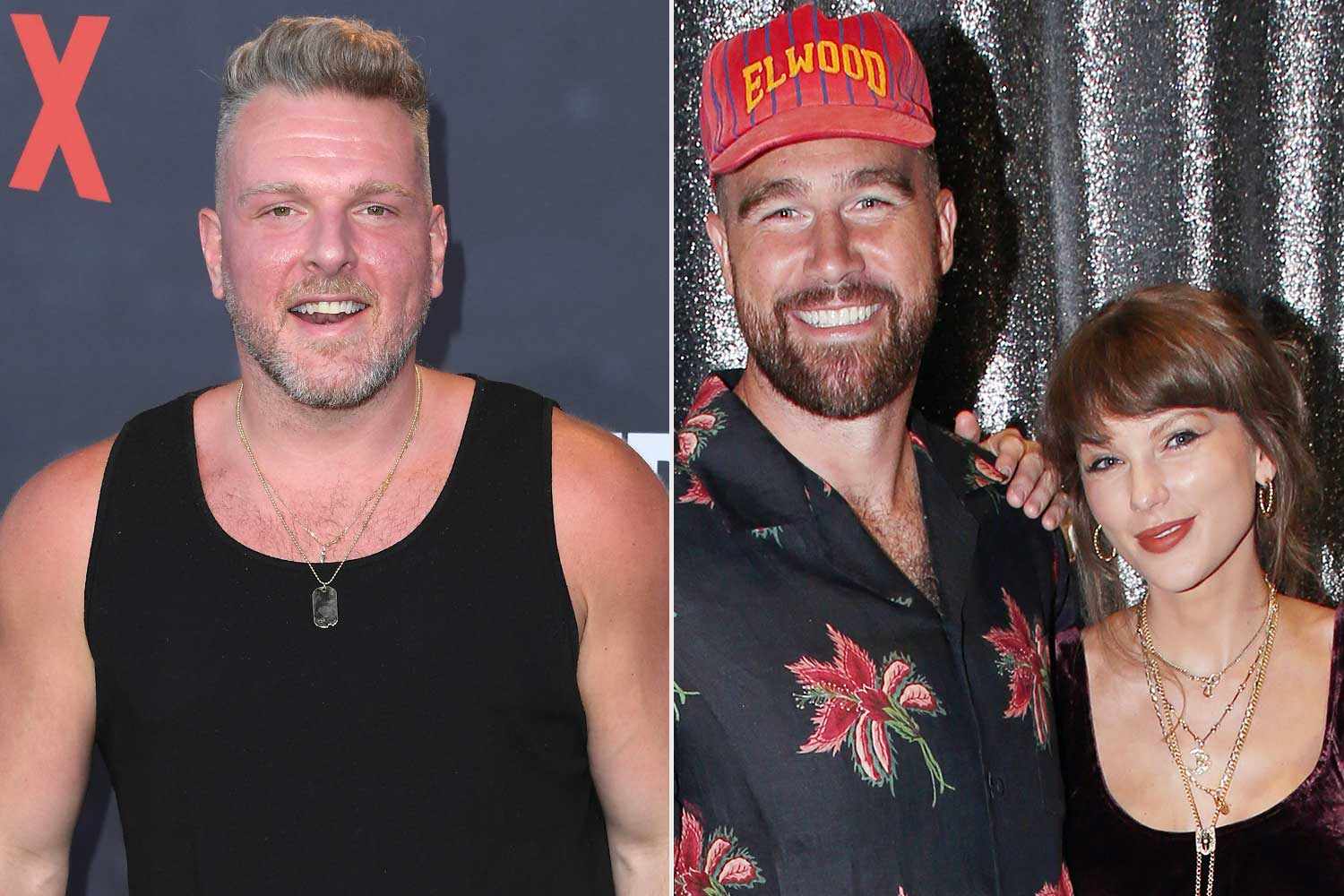
The logistical reliance on unconventional digital channels—specifically, text-based invitations—served as a primary vetting mechanism. By eschewing formal electronic mail for direct messaging, the organizers created a high-friction entry point. The subsequent confusion experienced by high-profile invitees, such as American Century Investments CEO Jonathan Thomas and ESPN’s Pat McAfee, illustrates a purposeful ‘security-through-inconvenience’ model. When digital communication is hardened against automated spam filters and unauthorized actors, the friction itself becomes a marker of legitimacy.
Tactical Information Asymmetry
The couple utilized temporal and spatial control to mitigate potential security breaches. By delaying venue disclosure until 4:00 AM on the day of the event, organizers effectively narrowed the window for logistical disruption. This tactical withholding of information functions as an operational barrier, minimizing the susceptibility of the event to external monitoring or unauthorized presence. The groom’s personal intervention in the verification process for high-net-worth guests underscores that, in this environment, personal authentication serves as a critical node in a larger access control strategy.
The Institutionalization of Non-Disclosure Agreements
Legal instruments, specifically Non-Disclosure Agreements (NDAs), served as the structural foundation of the wedding’s security apparatus. These are no longer treated as formal etiquette but as robust legal barriers designed to protect the intellectual property of the event itself. The rigor applied to these agreements suggests that the wedding was treated as a protected asset, with non-compliance carrying significant legal liability comparable to a major corporate transaction.
Strategic Implications for Celebrity Privacy
The Swift-Kelce model provides a case study for future high-profile event management. As the threshold for privacy continues to rise, the infrastructure of personal life is increasingly mirroring that of global corporations. This institutionalization of privacy suggests that for high-profile figures, exclusivity is no longer a passive expectation but an active,, resource-intensive pursuit. Future events will likely prioritize data integrity and multi-layered access control, ultimately redefining the relationship between public figures and the logistical management of their private lives.