
Strategic Asset Management and Expansion Team Calculus
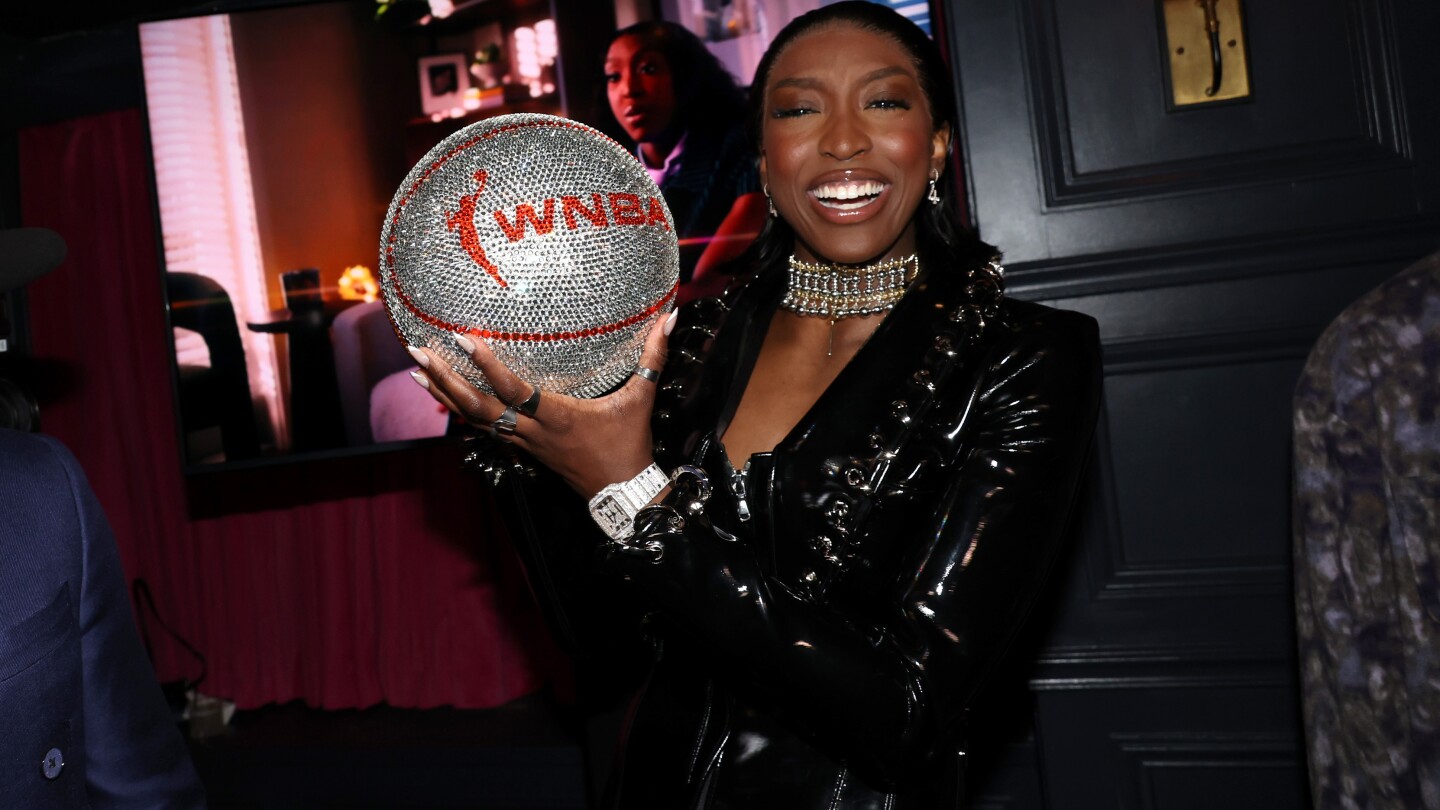
Flau’jae Johnson’s entry into the WNBA, marked by a draft-night trade from the Golden State Valkyries to the Seattle Storm, provides a powerful case study in strategic asset management within professional sports. Selected as the 8th overall pick in the 2026 WNBA Draft by the expansion Valkyries, Johnson was immediately traded to the Storm. This transaction underscores the complex financial and competitive calculations necessary for new franchises and retooling teams alike.
For the expansion Golden State Valkyries, trading a top-ten draft pick suggests a strategic priority on acquiring established talent or future capital, rather than investing in a high-potential rookie for immediate development. This approach reflects the strategic calculus required for new franchises to navigate tight salary cap constraints and accelerate roster construction in a league with limited roster spots. By trading Johnson, the Valkyries likely prioritized a more immediate return on investment or greater flexibility to manage future cap space, rather than committing to a long-term rookie contract.
For the Seattle Storm, acquiring Johnson represents a specific investment in a player with a proven track record of on-court performance and significant off-court marketability. Johnson’s college resume from LSU, which includes an NCAA Championship and various accolades, provided the Storm with data indicating immediate professional impact potential. Her senior year statistics—averaging 14.2 points, 4.2 rebounds, and shooting 46.5% from the field—indicate a level of efficiency and production that Seattle prioritized in its retooling strategy. The trade, executed during the high-leverage environment of the draft, underscores the premium placed on specific skill sets and strategic fits as teams adjust their rosters for immediate competitive advantage.
The Dual-Threat Athlete and Brand Leverage
Beyond her on-court transition, Johnson’s market value is significantly amplified by her self-described identity as an artist, athlete, entrepreneur, and philanthropist. This multi-faceted personal brand positions her uniquely within the evolving landscape of athlete endorsements and media engagement. The WNBA, known for its strong emphasis on social impact and athlete narratives, provides a fertile ground for players who can leverage their platform beyond traditional sports performance. Johnson’s ability to cultivate a diverse identity allows her to connect with a broader audience base and attract non-traditional corporate partnerships, diversifying her revenue streams and mitigating career risk.
The strategic partnership with e.l.f. Cosmetics exemplifies this approach. The collaboration, part of e.l.f.’s ‘Show Yourse.l.f.’ series, aligns Johnson’s personal brand values—specifically empowerment, mentorship, and community impact—with the corporate partner’s marketing objectives. This type of values-based marketing strategy moves beyond simple product endorsement to create a deeper connection with consumers who identify with the athlete’s mission. For Johnson, this partnership provides significant financial leverage and long-term stability in a league where athlete salaries are lower than in major men’s leagues, solidifying a revenue model independent of on-court performance.
Operational Adaptation and Stakeholder Implications
Johnson’s transition requires significant operational adjustment, moving from the structured environment of college sports to the high-pressure, high-turnover nature of the WNBA. The league’s compressed schedule and intense travel demands necessitate rapid adaptation, which Johnson notes as a personal strength. Her ability to quickly integrate into the Storm’s system and make her preseason debut in the starting lineup suggests a high degree of operational readiness and a capacity to manage external pressures effectively. The warm reception she received during her preseason game against her former team, the Valkyries, highlights her fan engagement potential, a valuable asset for both the player and the league in driving media viewership.
The long-term success of the Storm’s investment hinges on Johnson’s ability to translate her college performance into consistent professional results while navigating these operational challenges. The outcome of this trade will be measured not just by Johnson’s performance in Seattle, but also by the long-term value generated by the assets received by Golden State. This transaction serves as a critical case study in how WNBA franchises utilize draft capital to manage risk and optimize competitive positioning in a rapidly evolving market, where athlete branding plays an increasingly central role in the league’s financial model and cultural impact.

Photo by ghorng on Pixabay.