Procedural Subversion and the Bradley Indictment
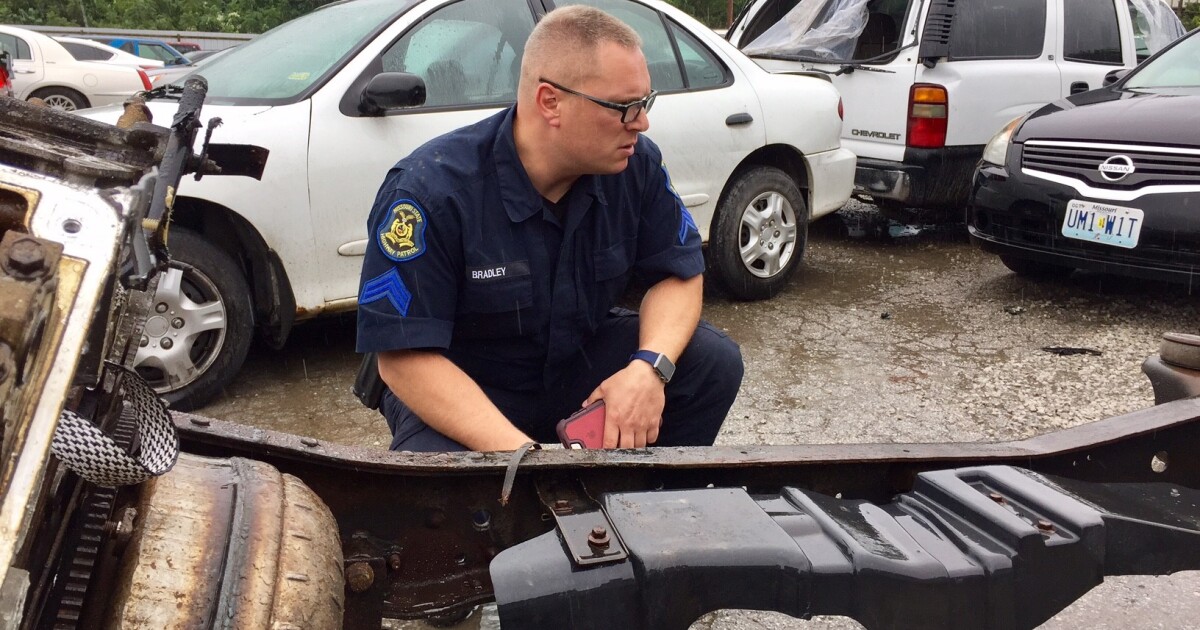
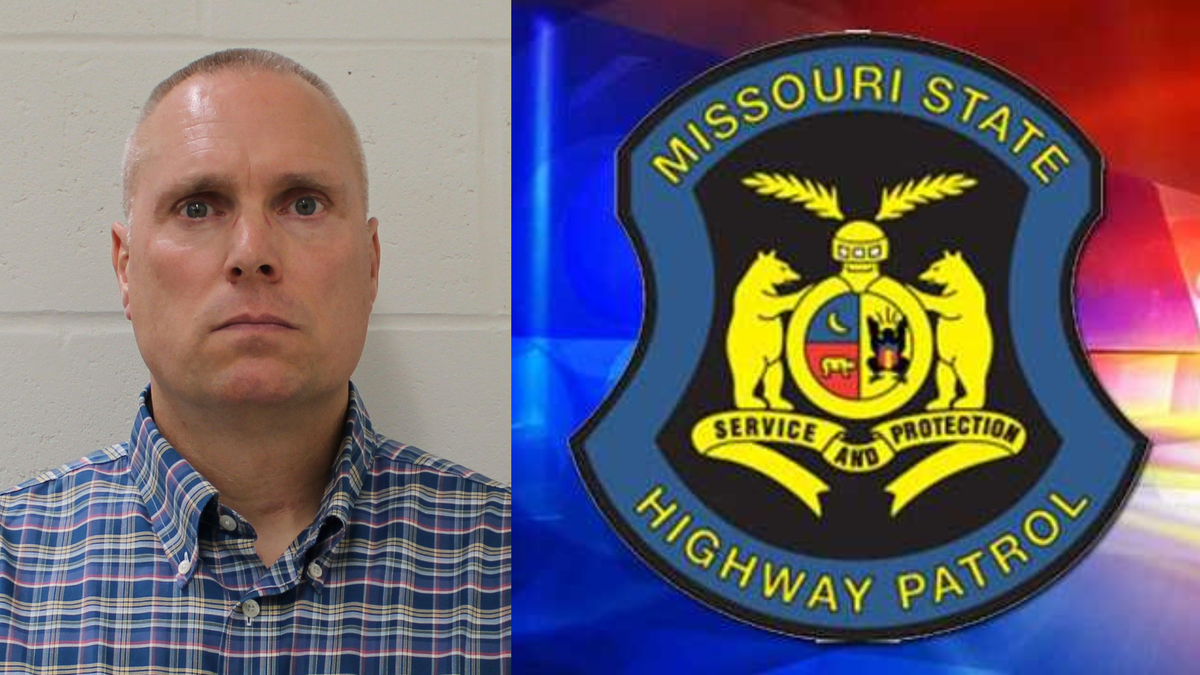
The indictment of Missouri State Highway Patrol (MSHP) trooper Charles “Nate” Bradley represents a sophisticated breach of the nexus between law enforcement authority and private sector regulation. Jackson County Prosecutor Melesa Johnson has detailed thirteen felony charges arising from a year-long investigation into systemic corruption within the vehicle recovery sector. The counts—including ten for tampering with physical evidence, and others for acceding to corruption, stealing, and first-degree property damage—suggest a deliberate dismantling of institutional safeguards for private gain.
The core of the prosecution’s case rests on the allegation that Bradley utilized his official capacity to facilitate a predatory revenue-capture mechanism for specific towing entities. By bypassing mandated law enforcement documentation during the recovery of stolen vehicles, the scheme allegedly allowed private companies to operate in a regulatory vacuum. This procedural omission prevented the activation of consumer protection protocols, enabling the accrual of exorbitant storage fees without the standard oversight provided by police-initiated recovery logs.
Market Distortion and the Mechanics of Towing Fraud
The alleged corruption functioned through a strategy of regulatory arbitrage. In a standard recovery, law enforcement intervention triggers a chain of custody and owner-notification requirements designed to mitigate storage costs. Bradley’s alleged interference circumvented these requirements, effectively transforming public service vehicle recovery into a high-yield asset seizure operation. Victims often faced financial demands exceeding the vehicle’s market value, forced into a choice between astronomical debt or total asset forfeiture.
This conduct also created a severe distortion within the local towing market. By directing high-value recoveries toward a select group of complicit operators, the scheme undermined the competitive integrity of the state’s towing rotation system. Such market manipulation penalizes ethical contractors and establishes a perverse incentive structure where non-compliance with statutory norms becomes the most profitable business model for private actors involved with law enforcement.
Systemic Legal Risks: Evidentiary Tampering and Forensic Loss
The ten counts of tampering with physical evidence highlight a profound threat to the broader criminal justice system. Each instance of suppressed or delayed reporting represents a failure to secure the forensic window necessary for identifying criminal suspects. When a recovered stolen vehicle is withheld from the standard chain of custody, critical biological and fingerprint evidence is often lost to environmental degradation or intentional cleaning by towing staff, potentially insulating car thieves from prosecution.
Furthermore, the delegation of police powers to unauthorized third parties represents a fundamental breakdown of the social contract. By allowing private actors to recover vehicles without official documentation, Bradley allegedly removed the accountability mechanisms that define public service. This privatization of police authority shifts the objective of recovery from public safety and restitution to private capital accumulation, compromising the integrity of every investigation touched by the scheme.
The Burglary Link and Specialized Power Abuse
The indictment extends beyond administrative fraud into direct criminal participation, evidenced by the charge of stealing a high-value necklace. Valued at $25,000 or more, the jewelry was reportedly stolen during a commercial burglary. Bradley is accused of retaining the item, an act that not only constitutes theft but also effectively terminated a burglary investigation by removing key physical evidence from the judicial process.
This abuse of power is particularly egregious given Bradley’s specialized role in investigating fraud and high-volume thefts, including catalytic converter rings and the national surge in Hyundai and Kia thefts. His expertise in the logistics of vehicle tracking provided him with the technical knowledge necessary to exploit vulnerabilities in the recovery system. This intersection of specialized investigative authority and criminal self-interest underscores a critical failure in internal MSHP oversight mechanisms.
Malicious Property Damage and Institutional Liability
A notable charge involves first-degree property damage concerning a 2017 Alfa Romeo. Prosecutors allege Bradley directed a tow driver to intentionally damage the vehicle, an act of destruction performed under the color of law. Such behavior serves no legitimate law enforcement objective and creates significant civil liability for the State of Missouri. It indicates a level of control over private contractors that suggests they were acting as extensions of his personal will rather than as neutral service providers.
As the case proceeds through the Jackson County court system, it serves as a mandate for the MSHP to reform its internal affairs protocols. The resolution of this case will likely dictate future legislative efforts to tighten regulations on towing rotations and the storage of recovered property. For the public, the case remains a stark reminder of the damage caused when the instruments of state power are redirected toward the exploitation of the citizenry they are sworn to protect.