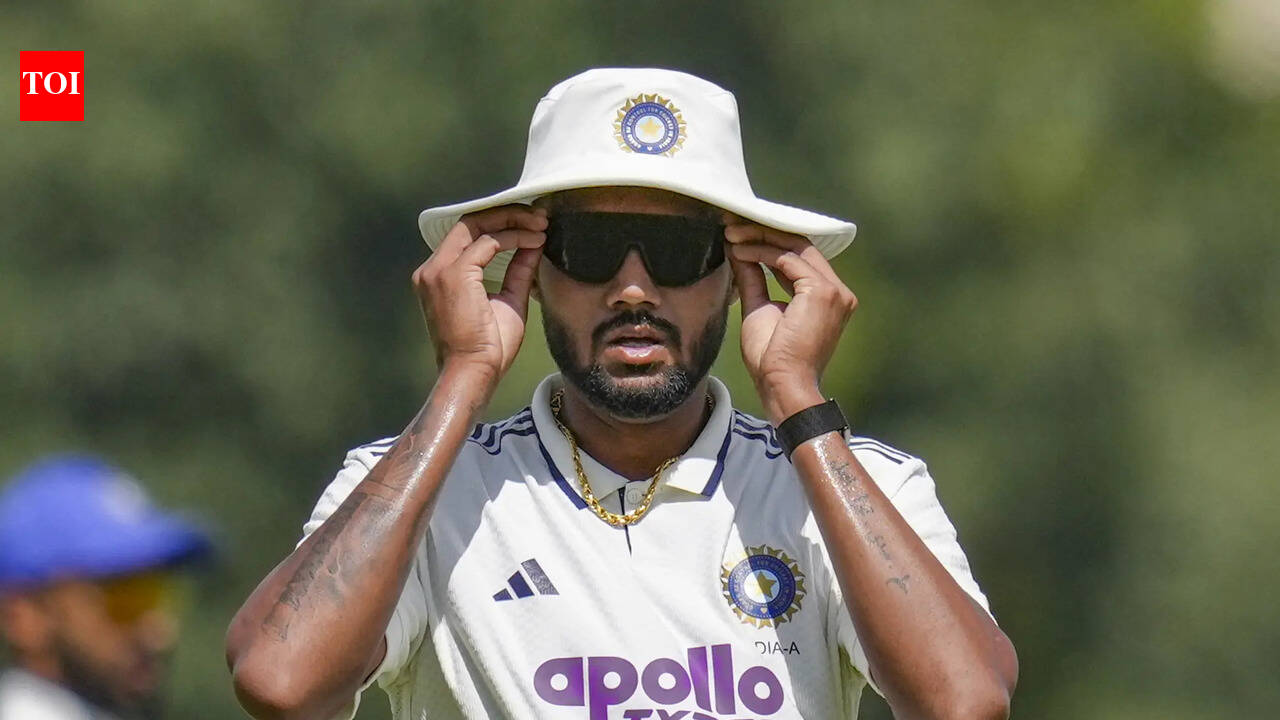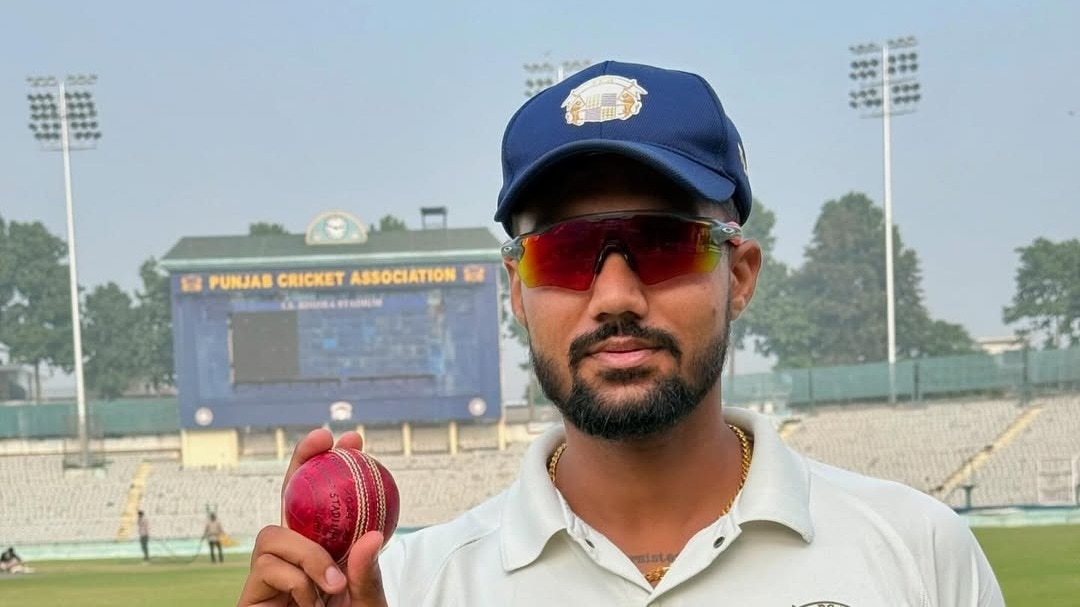
Strategic Integration of Emerging Pace Talent
Gurnoor Brar’s inclusion in India’s squad for the upcoming Test against Afghanistan signals a recalibration of the BCCI’s selection philosophy. By selecting the 6-foot-5 Punjab pacer as a tactical alternative to Jasprit Bumrah, selectors are explicitly prioritizing raw physical attributes and high-ceiling developmental metrics over established seniority.
This shift reflects an institutional mandate for sustainable rotation, designed to alleviate the workload on frontline bowlers. The transition from domestic red-ball consistency to the national stage is now an operational imperative, ensuring a high-velocity bowling profile that remains resilient despite individual player fatigue.
The Pipeline Effect: Institutional Scouting
Brar’s progression—refined under the mentorship of figures like Ashish Nehra—validates the current domestic scouting ecosystem. The BCCI has shifted toward identifying talent with specific biomechanical advantages, such as natural height and bounce, effectively institutionalizing physical profiling as a core component of the national strategy.
His exposure during the IPL provided a high-pressure, professional environment that served as a critical stress-test, bridging the gap between domestic structure and the uncompromising intensity of international Test cricket.
Competitive Scaling and Bench Strength
The simultaneous selection of Brar, Manav Suthar, and Harsh Dubey demonstrates a strategic move to stress-test bench depth against specific opposition. This enables management to evaluate how emerging players adapt to international scrutiny, allowing for data-backed decisions before high-stakes series.
Brar’s 2024-25 domestic campaign, characterized by movement and speed retention, suggests that the BCCI is utilizing rigorous performance metrics to predict international success. This shift underscores a broader trend: domestic first-class red-ball records have become the primary, objective indicator for senior selection.
Operational Realities: Mentorship and Physicality
Management’s decision to rest key assets in favor of Brar highlights a philosophy of preventing performance volatility. By integrating younger, physically imposing bowlers, the BCCI ensures consistency across formats.
Brar’s technical development—influenced by his study of legends like Dale Steyn and refined by professional coaching—serves as a blueprint for the modern Indian pacer. The current structure effectively merges inherited physical gifts with data-driven technical refinement, setting a new benchmark for Indian fast-bowling development.