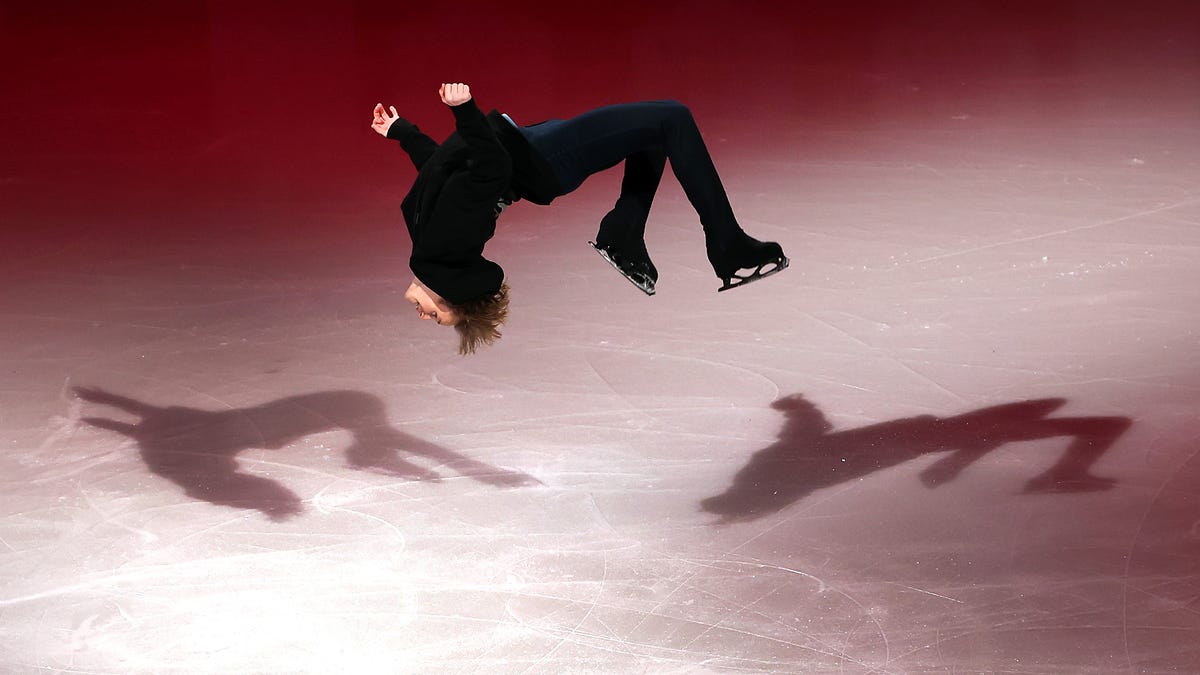
The impending 2026 Winter Olympics in Milan Cortina are anticipated to be a focal point for global athletic competition, featuring both established patterns of excellence and significant innovations within specific disciplines. Preliminary reports indicate the continued formidable performance of the United States women’s hockey team, which has once again secured a victory within the framework of the Games, showcasing consistent national program strength. Concurrently, the sport of figure skating is undergoing a notable evolution, marked by a critical rule adjustment and the emergence of a highly influential athlete whose technical prowess is reshaping competitive standards.
Regulatory Evolution in Figure Skating: The Inclusion of the Backflip
A fundamental shift in figure skating’s regulatory framework is the recent decision to permit the backflip in competitive programs. This policy alteration by the sport’s international governing bodies signifies a departure from previous stipulations that had long considered such acrobatic maneuvers outside the traditional scope of figure skating. The process for such a significant rule change typically involves extensive analysis by technical committees, athlete representatives, and medical experts affiliated with the international federation.
These deliberations are structured to meticulously evaluate various factors, including athlete safety, the potential impact on the sport’s artistic integrity, the technical difficulty inherent in the maneuver, and its appeal to both expert judges and a broader public audience. The decision to allow the backflip suggests a strategic balancing act by the governing body, aimed at fostering innovation and enhancing the visual spectacle of the sport while carefully managing associated risks. This integration demands a comprehensive re-evaluation of judging protocols to accurately assess the complexity, execution quality, and successful landing of such a challenging element within a skater’s overall program.
The allowance of the backflip is not merely a technical modification; it represents a broader philosophical statement about the direction of figure skating. It acknowledges the evolving athletic capabilities of contemporary skaters and encourages the development of new skills. This institutional adaptation ensures the sport remains dynamic and relevant, continuously pushing the boundaries of human performance while maintaining the structural integrity of its competitive framework, impacting everything from training regimens to equipment standards.
Ilia Malinin: A Catalyst for Sport Transformation
Central to this transformative period in figure skating is American athlete Ilia Malinin, 21 years old, who is poised for his Olympic debut and is widely regarded as a formidable contender for a men’s gold medal. Malinin has already distinguished himself by demonstrating proficiency in the backflip, a powerful affirmation of his technical skill and his readiness to integrate this newly sanctioned, high-difficulty element into elite competition. His performances have been critically acknowledged for their role in fundamentally transforming the sport, even prior to his inaugural Olympic appearance.
The notion that an individual athlete can “transform” a sport before reaching its highest competitive echelons speaks to the profound influence of groundbreaking innovation. Such a transformation in a structured discipline like figure skating extends beyond mere individual achievement; it recalibrates the expectations for technical mastery and artistic presentation. Malinin’s ability to execute a backflip, along with other advanced elements, establishes a new benchmark for what is deemed possible, thereby compelling rival competitors and national programs to adapt their training methodologies and competitive strategies.
This athlete-driven innovation creates a ripple effect throughout the entire ecosystem of the sport. It prompts coaches to explore new training paradigms, encourages sports scientists to delve into the biomechanics of advanced maneuvers, and influences the criteria employed by judging panels. Thus, Malinin’s impact is not limited to his personal competitive success but extends to structurally redefining the technical landscape of figure skating, fostering an environment where continuous improvement and daring innovation are increasingly rewarded and expected.
Competitive and Developmental Implications
The strategic incorporation of elements like the backflip by top athletes like Malinin carries significant implications for the competitive landscape and athlete development pathways. National figure skating federations and individual coaching teams must now evaluate the necessity and feasibility of integrating such high-risk, high-reward maneuvers into their athletes’ training. This assessment involves a careful balance between the potential for increased scoring opportunities and the heightened risk of technical errors or injuries, which can be severely penalized in major competitions.
The decision to pursue these advanced elements often necessitates substantial institutional investment in specialized coaching expertise, state-of-the-art training facilities, and advanced sports science support. This infrastructure development is crucial for safely teaching and perfecting complex acrobatic skills, thereby minimizing injury risk while pushing the boundaries of performance. The availability and allocation of these resources become critical differentiators among national programs aiming for Olympic success.
Furthermore, the elevation of technical difficulty standards influences long-term athlete development models. Younger skaters may be introduced to a broader range of complex skills earlier in their training, requiring a more integrated approach to physical conditioning, mental preparation, and technical progression. This systemic shift raises the overall bar for competitive excellence, compelling an evolution in both the individual athlete’s journey and the broader organizational strategies of sports federations to cultivate future talent capable of competing at the sport’s cutting edge.
Media Narratives and Strategic Public Engagement
The portrayal of Ilia Malinin as an “American superstar” and a “men’s gold medal favorite,” coupled with evocative titles such as “The Man Who Broke Physics,” serves as a prime illustration of how media narratives are constructed around elite athletes. These descriptors are not merely reportage; they are strategic elements designed to capture public imagination, generate anticipation, and elevate the profile of individual athletes and the sport as a whole leading into major international events like the Winter Olympics.
Such dramatic framing functions to contextualize extraordinary athletic achievements within a broader discourse of human endeavor and the constant pushing of physical and technical limits. For global spectacles like the Olympics, these compelling narratives are essential for transcending niche sports viewership and attracting a massive, diverse international audience. Broadcasters, including NBC News, through platforms like Peacock, leverage these stories to maximize viewership and engagement, transforming individual performances into shared global cultural moments.
The construction of “superstar” status also possesses significant commercial implications within the sports industry. It enhances an athlete’s marketability, attracting endorsements and sponsorship opportunities, and contributes to the overall brand value of the sport itself. This symbiosis between athletic excellence, media storytelling, and commercial enterprise reinforces the reputational standing of both the athlete and the Olympic Games, solidifying their position as premium content in the global entertainment landscape.
Institutional Architecture of Olympic Sports
The dynamics observed in figure skating unfold within the comprehensive and intricate institutional architecture that underpins the Olympic Movement. The Winter Olympics, particularly the 2026 Milan Cortina Games, represent the zenith of international multi-sport competition, operating under the overarching authority of the International Olympic Committee (IOC). This structure involves a multifaceted network of international federations, National Olympic Committees (NOCs), and local organizing committees, working in concert to deliver events of unparalleled scale and complexity.
International Federations (IFs), such as the implied body governing figure skating, are responsible for the worldwide governance of their respective sports, including the formulation and enforcement of rules, the organization of international competitions, and the development of technical officials. Their decisions, like the one concerning backflips, cascade through the entire global structure of the sport, influencing national federations and individual athletes alike. This regulatory function is critical for maintaining consistency, fairness, and safety across all levels of competition.
National Olympic Committees, like that of the United States, play a vital intermediary role, preparing and fielding national delegations for the Games. This encompasses athlete selection processes, ensuring adherence to anti-doping regulations, managing team logistics, and providing support systems for elite athletes. The sustained success of entities like the U.S. women’s hockey team and the rise of talents such as Ilia Malinin are direct outcomes of well-established national sports programs, robust talent identification systems, and significant strategic investments in athlete development and competitive infrastructure over many years.
The host cities, Milan and Cortina, bear the substantial responsibility for developing and managing the necessary venues, infrastructure, and operational plans for the Games. This involves extensive coordination with national and international stakeholders, ensuring that the competitive environment meets the highest international standards. The collective effort of these diverse institutional actors underscores the complex, multi-layered governance required to stage an event of the Olympics’ magnitude and prestige, creating a global platform for both traditional excellence and groundbreaking innovation.
Broader Implications for Global Sports Governance
The policy decision to integrate the backflip into figure skating exemplifies a perennial challenge within global sports governance: effectively balancing the preservation of tradition with the imperative for innovation. International sports federations are under continuous pressure to review and adapt their rulebooks to remain relevant, ensure athlete safety, and respond dynamically to the evolving capabilities of elite performers. This adaptive process is fundamental to preventing stagnation and ensuring the sport retains its appeal and competitive edge for both its participants and its global audience.
These rule amendments are often the product of extensive internal debates and consultations within the sports community, addressing fundamental questions about the very nature of competition. They touch upon principles of fairness, the evolving definition of technical mastery, and the role of entertainment in high-performance sport. The explicit shift towards embracing elements like the backflip reflects an institutional recognition that athletic boundaries are constantly being pushed, and that regulatory frameworks must evolve to acknowledge, and even incentivize, these advancements rather than impede them.
Moreover, the highly visible stage of the Olympic Games amplifies the significance of these policy changes, transforming them into global points of discussion and analysis. The integration of advanced, visually spectacular elements not only enhances the immediate viewing experience but also can influence future rule evolutions across other sports disciplines. This continuous feedback loop between athlete innovation, regulatory adaptation, and public engagement is essential for maintaining the long-term vitality, commercial viability, and cultural resonance of international competitive sports, reinforcing their status as enduring global phenomena.