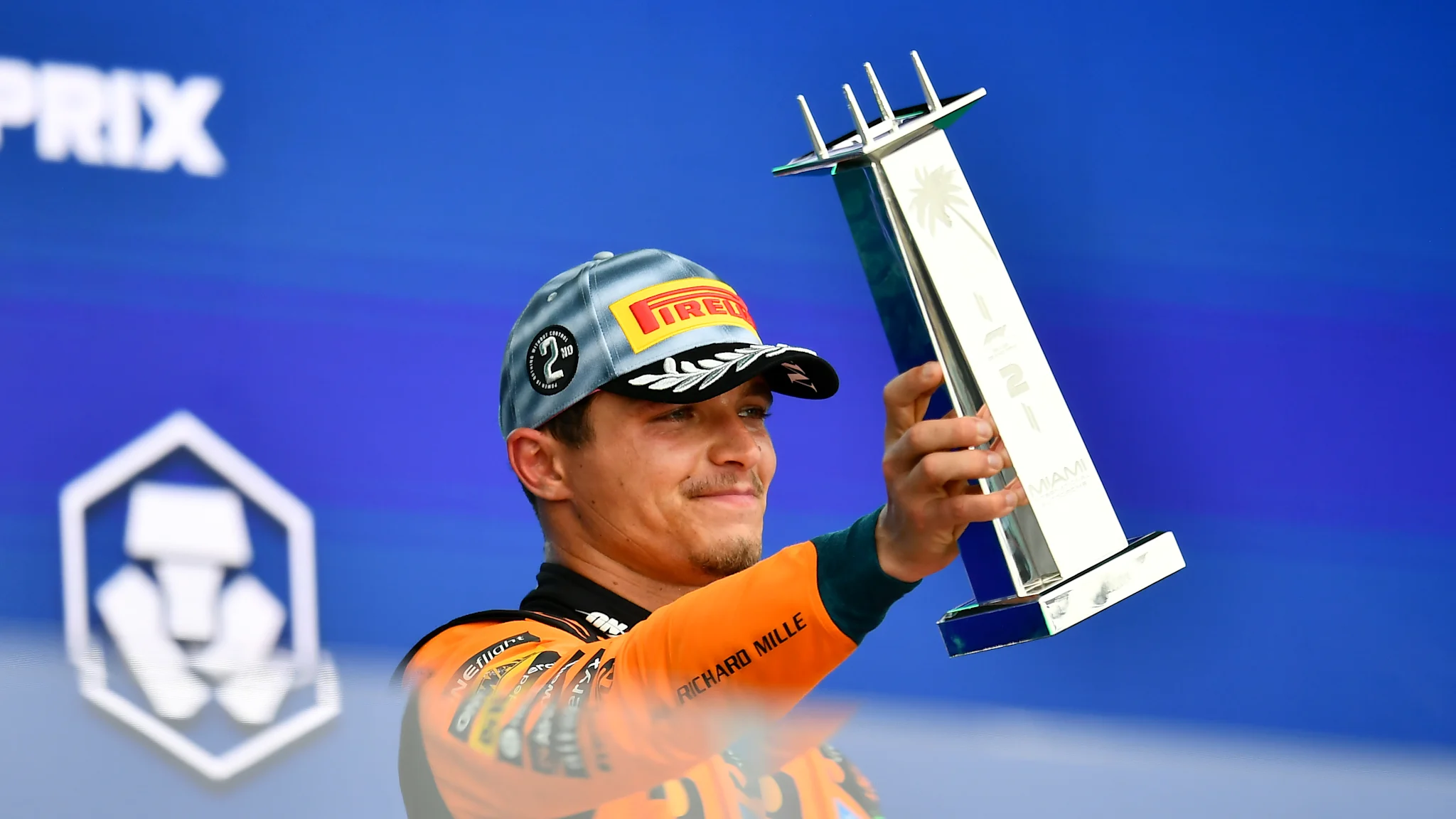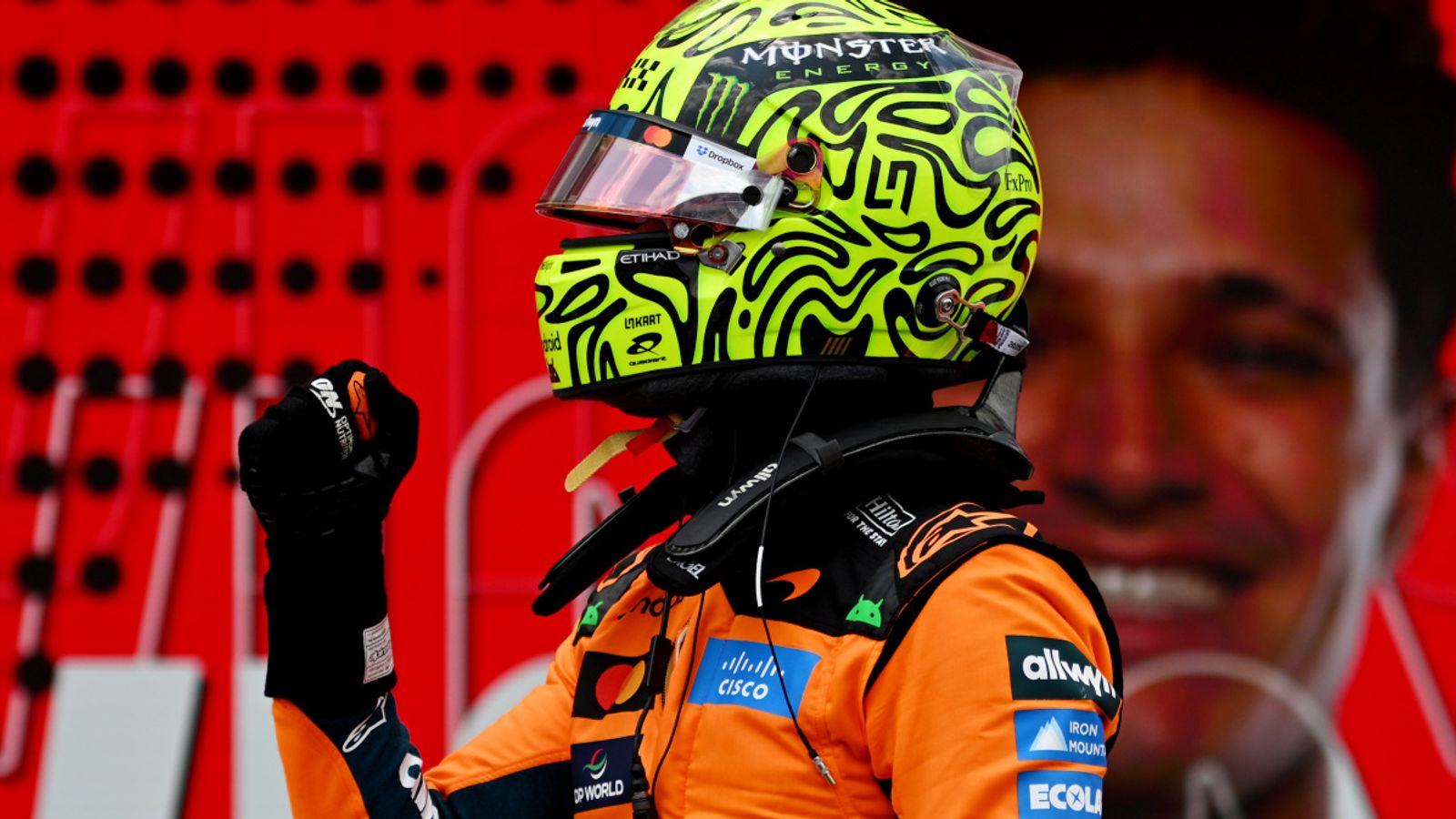
The 2026 Miami Grand Prix Sprint has recalibrated the Formula 1 competitive hierarchy, signaling the conclusion of Mercedes’ early-season dominance. Defending World Champion Lando Norris captured his first victory of the campaign, leading a McLaren one-two finish that validates a significant technical pivot executed during the recent operational hiatus.
Technical Convergence Following the Five-Week Hiatus
The strategic five-week window—instigated by the cancellation of the post-Japan round—became a critical R&D incubator. While Mercedes established an early aerodynamic benchmark, McLaren used this interval to optimize floor loading and thermal efficiency. The MCL-series’ performance in Miami indicates a successful resolution of previous stability deficits, allowing the team to outpace the field in both qualifying trim and high-speed race management.
This shift suggests the 2026 regulatory framework remains highly reactive to iterative development. For Mercedes, Miami represents a developmental bottleneck where their initial philosophy was met by superior counter-engineering from Woking, emphasizing that rapid manufacturing cycles are now the primary determinant of track position.
Operational Precision and the Track Limit Variable
Kimi Antonelli’s relegation from fourth to sixth place—precipitated by a five-second penalty for track limit infringements—highlights a critical vulnerability in the championship leader’s consistency. Under the high-pressure 2026 sprint format, procedural errors carry disproportionate weight, neutralizing raw mechanical advantages through regulatory attrition.
George Russell capitalized on his teammate’s lack of discipline, inheriting fourth place and narrowing the internal points gap to seven. This dynamic places increased scrutiny on the Mercedes garage, where the veteran Russell’s operational reliability is currently offsetting the raw, albeit volatile, pace of the title-leading Antonelli.
Strategic Refinement and the Undercut Logic
Lando Norris identified the rectification of pit-wall strategy as the catalyst for his victory. By referencing previous losses due to tactical delays, Norris underscored a move toward proactive race management. In Miami, McLaren successfully neutralized the “undercut” threat by maintaining a strategic delta that prevented Mercedes or Ferrari from executing a tactical strike.
In the current technical era, tire degradation and out-lap energy deployment define the strategic window. Norris’s ability to manage these variables without defensive vulnerability suggests a mastery of the 2026 power unit and aero interaction that was absent in the season’s opening rounds.
Ferrari Stabilization vs. Red Bull Stagnation
Charles Leclerc’s third-place finish confirms that Ferrari’s SF-26 upgrade package has successfully addressed low-speed handling inconsistencies. While still lacking the peak velocity of the McLarens, the Scuderia has established a high floor of performance, positioning them to exploit any friction between the top two teams.
Conversely, Max Verstappen’s fifth-place finish underscores a deepening crisis at Red Bull. Despite the development hiatus, the RB22 remains the fourth-fastest chassis, struggling with fundamental platform limitations. This performance plateau suggests a shift in institutional focus may be required to prevent a sustained decline through the 2026 cycle.
Market Significance and Title Implications
The commercial gravity of the Miami Grand Prix remains a cornerstone of F1’s North American expansion. A 1-2 finish for a team with extensive US investment reinforces the commercial synergy between sport and market. Strategically, the Sprint results suggest the 2026 season will avoid a runaway manufacturer victory, favoring a multi-team battle defined by operational excellence and driver precision over pure power unit superiority.