Administrative Oversight and Governance in World Cup Competition
The FIFA-mandated suspensions of U.S. Soccer team manager Sam Zapatka and vice president of security Frank Pannell immediately preceding the USMNT’s round of 16 match against Belgium signaled an unprecedented disruption in team logistics. Such disciplinary intervention by FIFA against senior administrative and security personnel is rare, marking a distinct escalation in regulatory enforcement during an active tournament cycle.
The lack of public transparency surrounding these measures reflects the rigid hierarchy of FIFA’s governance. By deferring inquiries to the global governing body, the U.S. Soccer Federation (USSF) prioritized institutional containment, though the decision underscores the friction between national federation autonomy and FIFA’s strict compliance frameworks.
Operational Challenges and Institutional Continuity
The sudden removal of primary logistical and security leadership creates an immediate vacuum, complicating the management of delegation safety and regulatory compliance. These roles are essential to mitigating instability in high-pressure environments; their absence forces a reactive reallocation of duties among secondary staff just hours before a knockout match.
Regulatory Friction and Performance Context
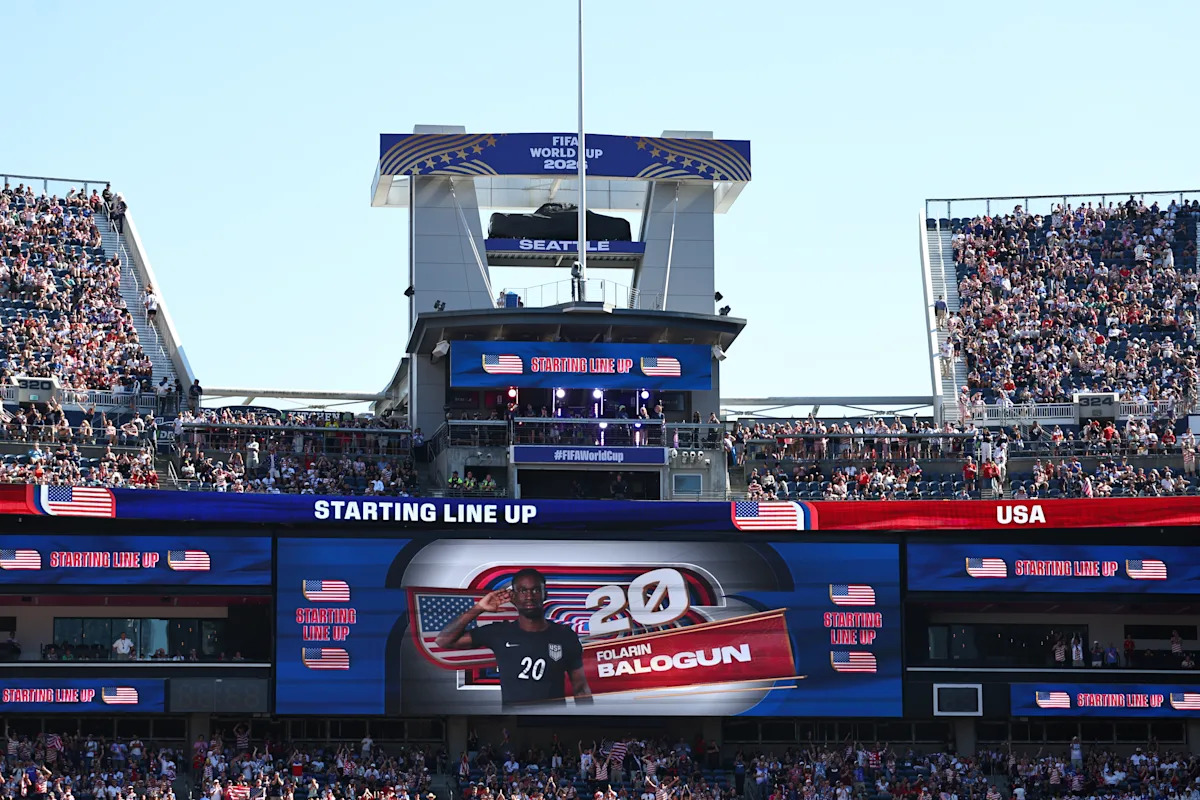
The timing of these suspensions has fueled speculation regarding their intersection with the administrative appeal surrounding forward Folarin Balogun. While the USSF maintains the staff suspensions are unrelated to the reversal of Balogun’s red-card ban, the concurrent nature of these events highlights the heightened scrutiny applied to the USSF during the competition.
The success of the Balogun appeal, notwithstanding Belgian protests, exemplifies the volatility inherent in FIFA’s current disciplinary processes. This sequence of events—from on-field discipline to administrative turmoil—illustrates the challenges of balancing advocacy for national interests against the rigid regulatory mechanisms of international football.
Strategic Consequences for USMNT
The USMNT’s 4-1 exit from the World Cup occurred amidst this organizational turbulence. While a direct causal link between the staff departures and the final score is speculative, the administrative instability undeniably altered the environment surrounding the squad. For a program long evaluated on its ability to transition from competitive stagnation to global relevance, these logistical hurdles reveal critical vulnerabilities in organizational infrastructure.
Tournament Integrity and Institutional Lessons
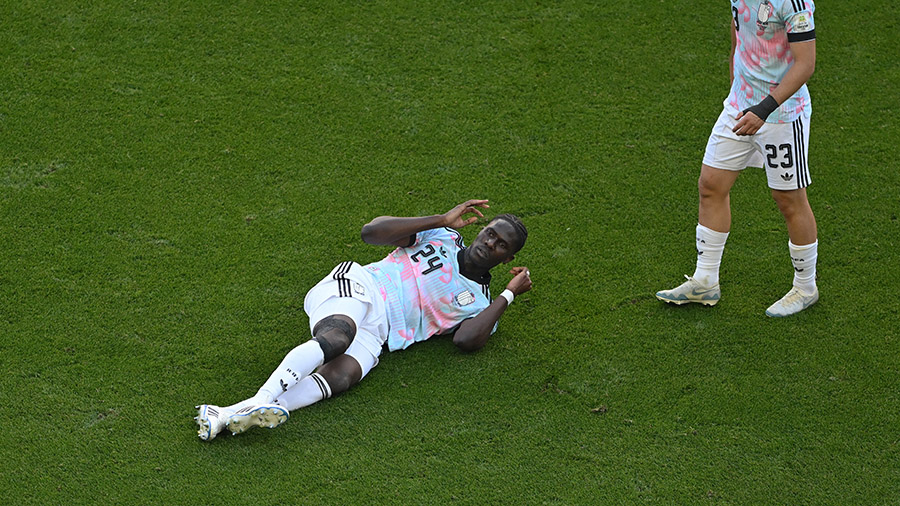
Beyond the USSF, the tournament continues to face multifaceted challenges, including the injury of key players like Belgium’s Amadou Onana. These events, combined with the administrative suspensions, underscore the need for greater transparency in FIFA’s decision-making to maintain public confidence in tournament integrity.
The removal of experienced personnel like Zapatka, who has held his post since 2020, represents a significant loss of institutional knowledge. As the USSF transitions into a post-World Cup evaluation phase, the priority must shift toward establishing robust, compliant, and stable management systems capable of navigating international regulatory complexities without disrupting the core competitive mission.