CBA Framework and Sign-and-Trade Mechanics
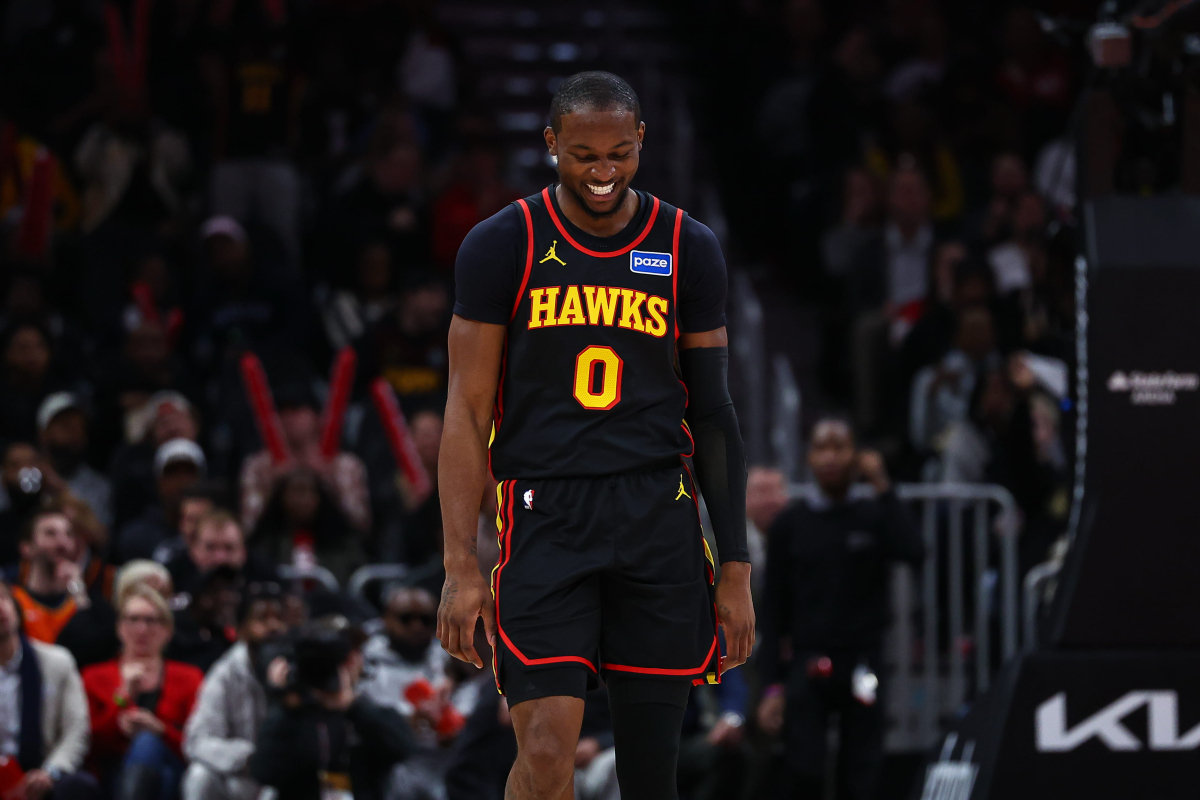
The Los Angeles Lakers’ pursuit of Jonathan Kuminga leverages the specific mechanics of the NBA’s Collective Bargaining Agreement (CBA) regarding sign-and-trade transactions. By proposing a three-year deal valued at approximately $45 million, Los Angeles satisfies the mandatory three-season minimum required for such maneuvers. This strategy aims to acquire Kuminga’s Bird rights while navigating the Lakers’ hard-cap constraints. However, the proposal’s success hinges on the Atlanta Hawks’ willingness to facilitate the transaction, acting as a financial conduit to balance the scales of salary and asset distribution.
The Vanderbilt Contract as a Negotiating Friction Point
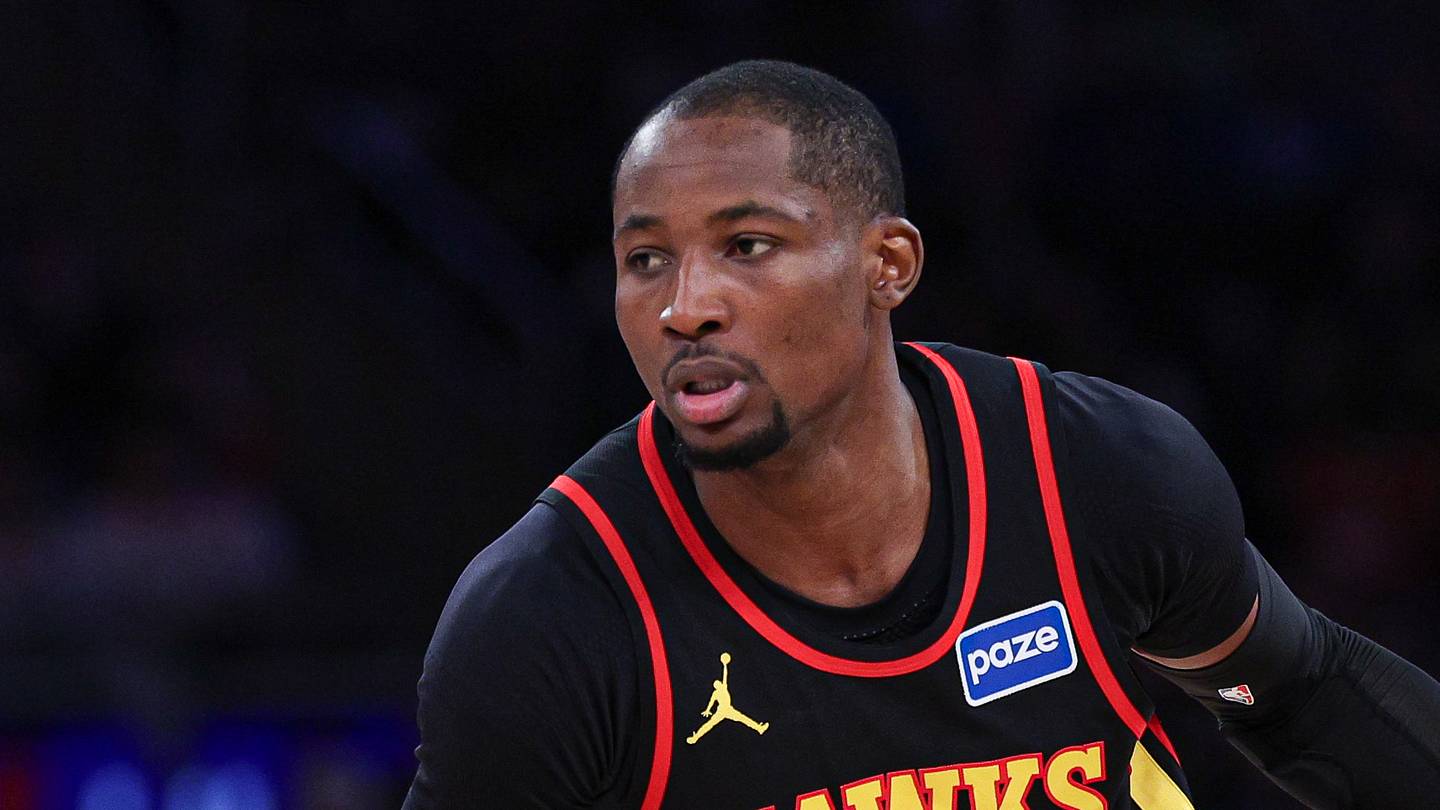
Central to the deal is the inclusion of Jarred Vanderbilt, whose contract serves as the primary salary-matching tool. While Vanderbilt provides elite defensive utility, his commitment through the 2027-28 season represents a significant long-term obligation for a rebuilding or retooling franchise like Atlanta. The Hawks’ hesitation stems from a desire for ‘cap cleanliness’—prioritizing expiring contracts over the multi-year burden of a non-offensive specialist. Consequently, the Lakers may be forced to attach premium draft equity to offset the perceived negative value of Vanderbilt’s remaining years.
Roster Synergy: Vertical Spacing and Defensive Versatility
Tactically, the Lakers view Kuminga as the missing link in a roster headlined by the playmaking of Luka Doncic and Austin Reaves. In this high-usage environment, Kuminga’s profile as a vertical threat and switchable defender addresses a critical structural deficit. His ability to punish rotations as a rim-runner and stabilize the perimeter defense offers a necessary counterweight to the team’s backcourt-heavy offensive engine. Furthermore, the promise of a guaranteed starting role serves as the Lakers’ primary leverage in satisfying Kuminga’s camp, which seeks both financial security and increased operational volume.
Market Competition and Liquid Asset Evaluation
The Lakers face a compressed market as the Cleveland Cavaliers and Minnesota Timberwolves emerge with competing offers. These rivals possess a distinct advantage: the ability to offer more ‘liquid’ trade packages that align with Atlanta’s fiscal objectives. Unlike the Lakers, who must offload long-term salary to make the math work, Cleveland and Minnesota can facilitate acquisitions with fewer long-term financial entanglements. This competitive pressure necessitates that Los Angeles over-indexes on draft capital, potentially sacrificing future flexibility to win a bidding war for Kuminga’s prime years.
Institutional Risks of the Three-Year Threshold
The requirement for a three-year guaranteed contract introduces institutional risk, locking the Lakers into a mid-tier salary commitment during a period of escalating CBA restrictions. If Kuminga’s development plateaus, the contract could become an immovable asset, further stagnating a roster built around aging or high-cost stars. Conversely, the Lakers are betting that the rising salary cap will render a $15M AAV (Average Annual Value) as a bargain for a high-ceiling wing. The outcome of this negotiation will serve as a definitive case study on the value of immediate cap relief versus the acquisition of high-potential youth in the modern NBA.