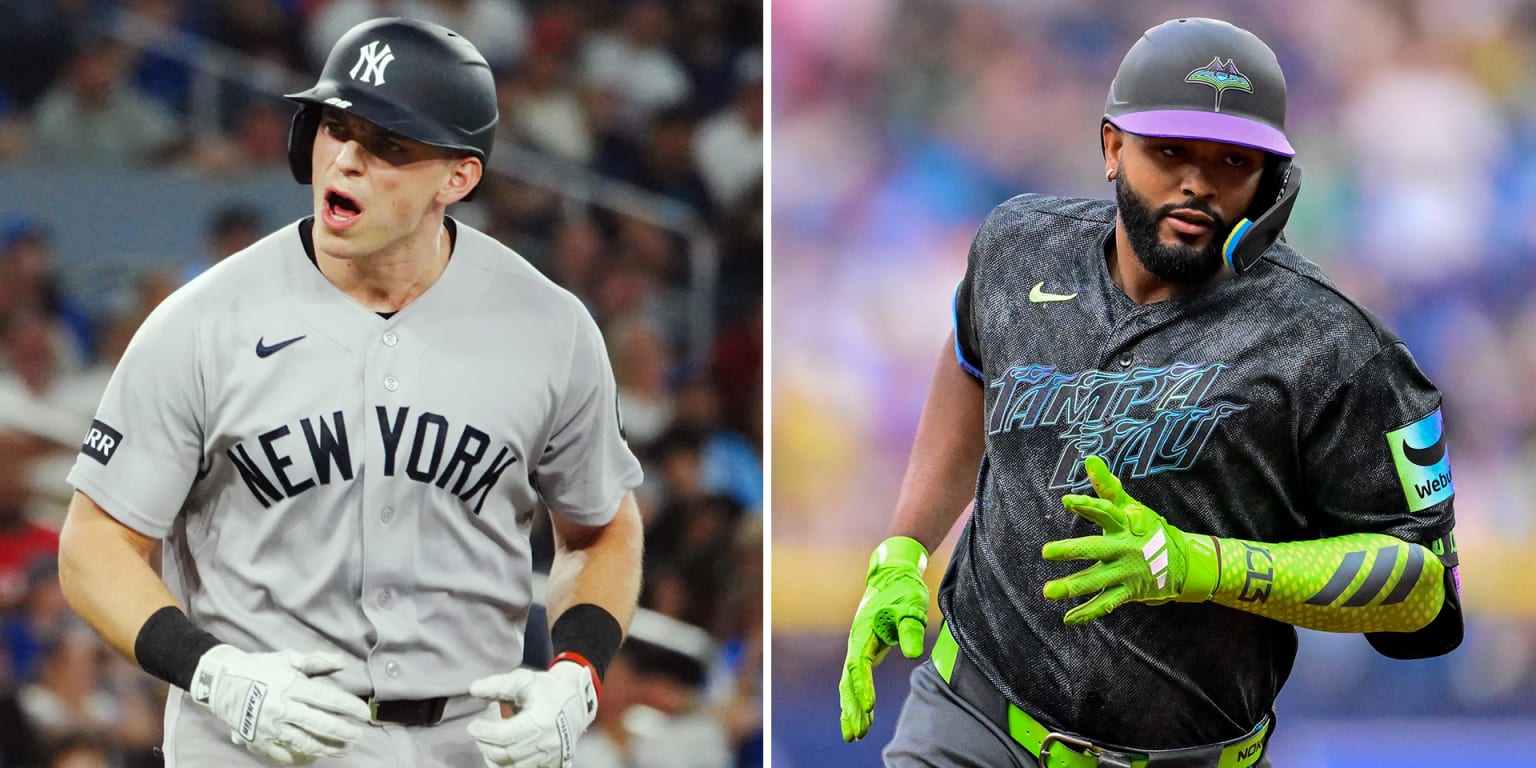
The American League East has transitioned into a state of structural stratification. While the broader American League remains compressed within a six-game margin, the Tampa Bay Rays (52-35) and New York Yankees (49-40) have detached from the field, elevating their current four-game set at Tropicana Field into a high-leverage confrontation with significant postseason implications.
Mathematical Leverage: The Tiebreaker Asset
The primary strategic objective of this series is the head-to-head tiebreaker. In the current MLB seeding framework, these matchups serve as a ‘virtual game’ in the standings. With Tampa Bay holding a 4-1 season advantage, a series victory mathematically secures the tiebreaker for the Rays. This institutional cushion effectively forces New York to outpace Tampa Bay by a full game in the final standings to avoid a lower seed, a daunting task given the current four-game deficit.
First baseman Jonathan Aranda’s perspective on the long-term weight of these games reflects the Rays’ focus on ‘mathematical insurance.’ By securing the tiebreaker now, the front office optimizes its late-season operational flexibility, allowing for more conservative pitcher management in September without sacrificing home-field advantage projections.
Tactical Volatility: Seymour’s Whiff-Rate vs. New York’s Contact Deficit
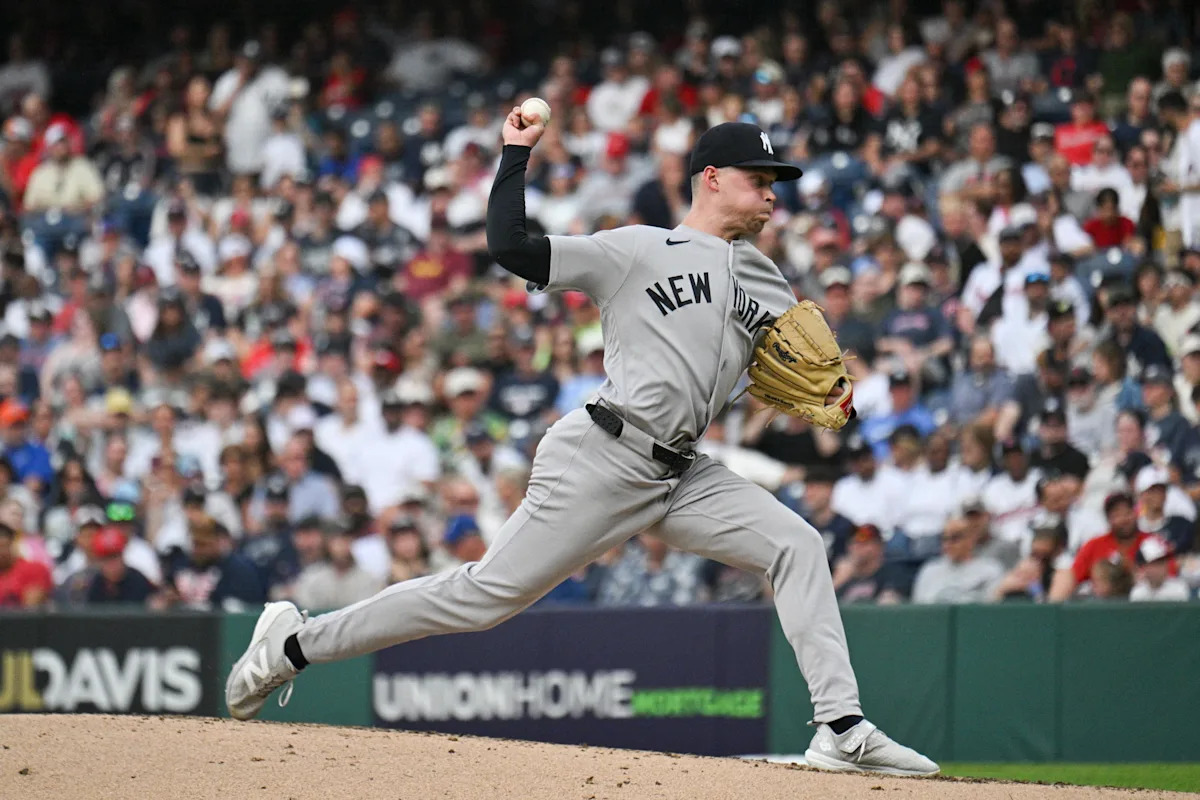
The pitching matchup between Ian Seymour and Will Warren highlights a critical tactical mismatch. Seymour’s 29% whiff rate is a lethal weapon against a New York lineup currently exhibiting a team whiff rate exceeding 27%. This high-variance offensive profile leaves the Yankees vulnerable to pitchers capable of generating empty swings, as it shifts the scoring burden almost entirely onto home-run probability rather than consistent run manufacturing.
Conversely, Tampa Bay’s offensive efficiency is rooted in a contact-heavy approach, maintaining a 20% team whiff rate. This creates a challenging environment for Will Warren, whose effectiveness hinges on swing-and-miss outcomes. Against a low-whiff lineup, Warren is forced to manage high-traffic innings where contact-induced BABIP (Batting Average on Balls In Play) can quickly derail a performance.
Operational Durability and Rotation Attrition
Despite recent performance fluctuations, Will Warren remains a pillar of New York’s operational stability. His 50 consecutive available starts since March of the previous year provide a rare durability metric in an era of high pitcher attrition. His 113 ERA+ and 3.57 FIP suggest a pitcher who is performing above league average, yet his historical struggles against Tampa Bay (5 runs in 11.2 innings) indicate a stylistic vulnerability to the Rays’ specific offensive construction.
For the Yankees, the reliance on Warren is a symptom of a thinning rotation. A failure to navigate this series effectively would exacerbate the burden on a bullpen already stretched thin by the lack of back-to-back wins over the preceding two weeks. Meanwhile, the Rays continue to integrate high-ceiling assets like Junior Caminero, whose presence adds a layer of decision-making stress for opposing managers in high-leverage counts.
Market Positioning and Trade Deadline Implications
The outcome of this series will likely serve as a catalyst for front-office behavior approaching the trade deadline. A dominant showing by the Rays would validate their current roster construction and likely trigger aggressive capital allocation toward postseason reinforcements. For the Yankees, the exposure of high whiff rates and rotation fragility may force a pivot in acquisition strategy, shifting the focus toward high-contact hitters and veteran innings-eaters to stabilize their postseason trajectory.
Strategic Summary
This four-game set represents a collision of organizational philosophies: Tampa Bay’s analytical focus on contact and mathematical tiebreakers versus New York’s reliance on power-hitting and rotational durability. The resulting data will define the divisional hierarchy and dictate the competitive landscape of the American League for the remainder of the 2024 campaign.