
The refusal of Madison Square Garden (MSG) Chairman James Dolan to rescind the ban on former Knicks forward Charles Oakley represents more than a personal feud; it signifies a systemic breakdown in the NBA’s traditional diplomatic channels. Even as the franchise ends a 27-year championship drought, organizational leadership has prioritized the enforcement of a legal exclusion over the symbolic reconciliation typically favored during high-visibility postseason runs. This impasse underscores a rigid adherence to internal security mandates that supersedes the soft power of the league’s most influential figures.
The Limits of Soft Power and Executive Autonomy
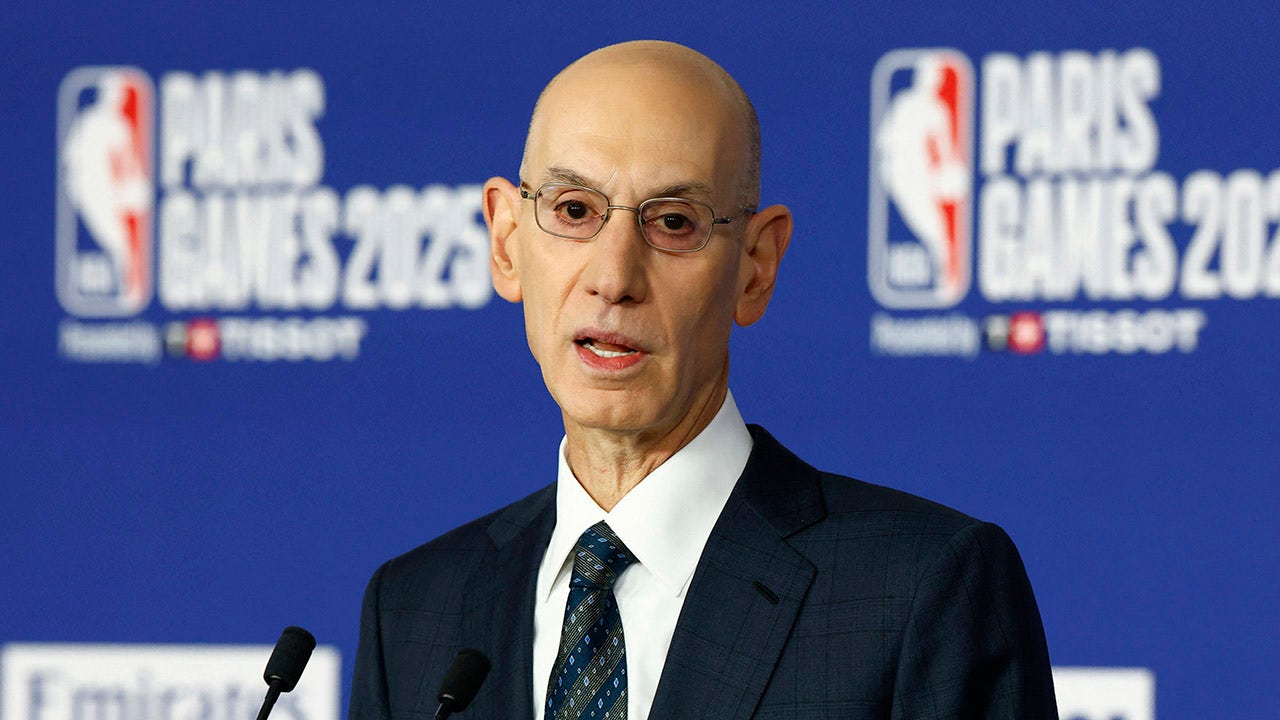
The disclosure that Commissioner Adam Silver and Michael Jordan—arguably the two most powerful figures in basketball governance and brand equity—failed to broker a resolution highlights the boundaries of the NBA’s collective influence. In a league where brand health is usually a collaborative effort, Dolan’s stance serves as a reminder of the absolute nature of private property rights. The inability of Jordan’s peer-level prestige to move the needle suggests that the conflict has evolved from a PR liability into an entrenched institutional policy resistant to external mediation.
From a governance perspective, this stalemate illustrates the friction between a commissioner’s mandate to protect the league’s global image and an owner’s right to manage venue security. While the NBA thrives on a unified legacy narrative, the Knicks’ internal management of historical grievances indicates a strategic misalignment. By prioritizing security protocols over sentimental optics, MSG leadership is asserting a form of executive sovereignty that challenges the league’s player-centric marketing ethos.
Reputational Risk and the Alienation of Franchise Lore
Charles Oakley’s visible presence at road games during the Finals, contrasted with his absence at MSG, creates a fragmented brand identity. For a heritage asset like the Knicks, the exclusion of a player synonymous with the team’s competitive ‘DNA’ carries significant long-term reputational risk. This dissonance is amplified on the global stage, where the absence of key alumni can be interpreted by fans and potential free agents as a lack of organizational cohesion.
The persistence of the ban suggests that MSG leadership views the 2017 incident not as an isolated breach of decorum, but as a violation of the operational contract between the venue and its attendees. Consequently, the ‘Knicks’ brand faces a strategic paradox: celebrating on-court success while actively suppressed a foundational element of its own historical narrative.
Legal Precedents and the Security Mandate
The 2017 physical altercation, which resulted in Oakley’s arrest for assault and trespassing, remains the legal bedrock of the exclusion. From a risk management standpoint, MSG’s legal counsel likely views the incident as a documented threat to executive security. The proximity of the altercation to the owner’s suite adds a layer of personal liability that complicates any standard public relations settlement. In the eyes of MSG’s corporate culture, the integrity of security determinations remains non-negotiable, regardless of competitive outcomes.
Media Saturation and the Enduring Narrative
Persistent reporting on the failed mediation ensures that the controversy remains a central theme of the Finals cycle rather than a footnote. This media focus forces the organization into a perpetual defensive posture, even during its period of highest performance. The strategic choice to remain unmoved suggests a calculation that the internal cost of lifting the ban—potentially compromising security standards or admitting fault—is higher than the external cost of negative publicity.
Conclusion: The Precedent of Independent Governance
By refusing to yield to Michael Jordan, James Dolan is signaling that MSG’s internal rules are not subject to the social or professional hierarchies of the NBA. This reinforces the perception of MSG as an island of independent governance. Until a formal legal settlement or a fundamental shift in executive strategy occurs, the Knicks’ return to the NBA’s summit will remain inextricably linked to one of the most intractable personal disputes in professional sports history.
Photo by timesscript on Pixabay.