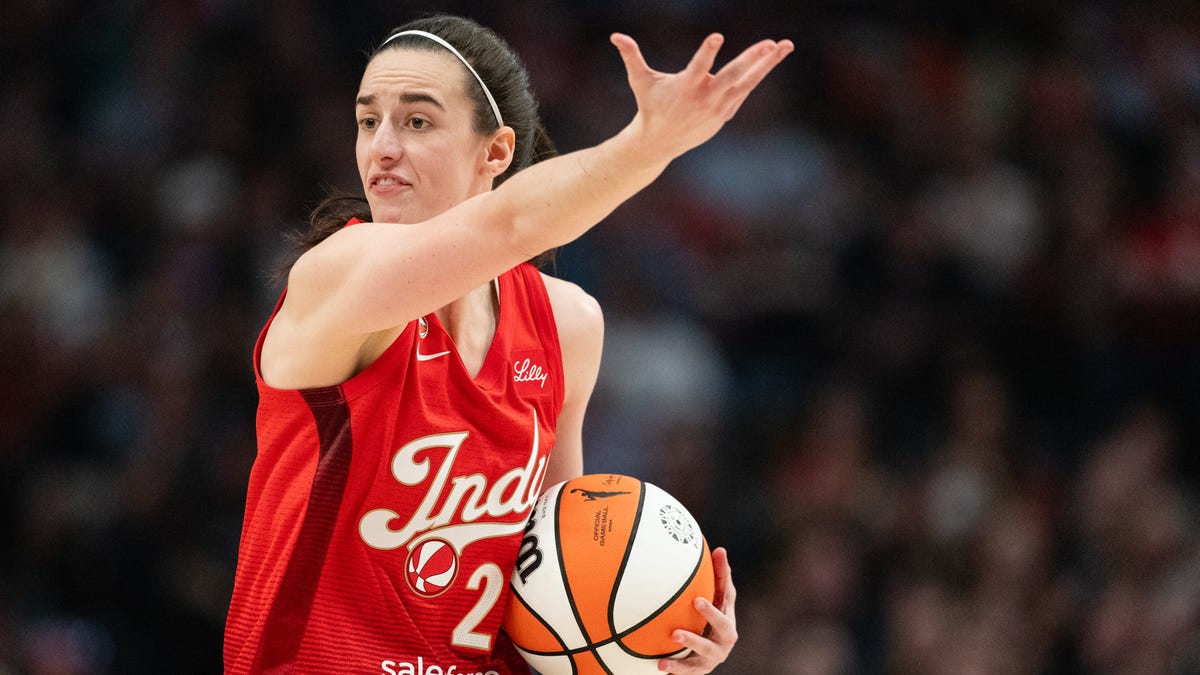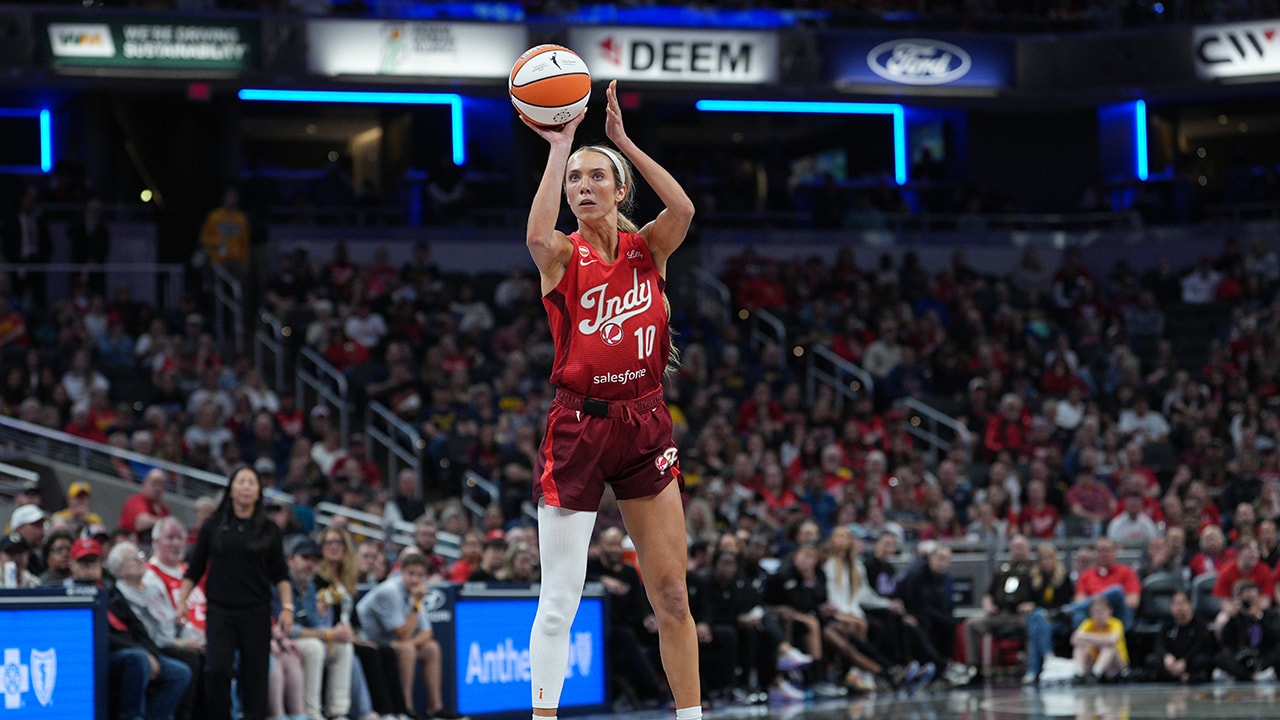
The upcoming matchup between the Indiana Fever and the Atlanta Dream at Gainbridge Fieldhouse serves as a critical inflection point for both franchises within the framework of the WNBA Commissioner’s Cup. This contest highlights a stark contrast in developmental trajectories: Atlanta relies on established defensive synergy and veteran poise, while Indiana continues to navigate the operational friction of integrating high-usage rookie talent into their offensive systems. The resulting tactical clash underscores the strategic adjustments required to survive the compressed schedule of the mid-season tournament.
The Structural Framework of the Commissioner’s Cup
Established to incentivize early-season performance and heighten regional rivalries, the WNBA Commissioner’s Cup designates specific intra-conference regular-season games as qualifying matches. This structure compresses the competitive timeline, forcing coaching staffs to treat early-season rotations with playoff-level urgency. With a significant financial purse on the line—including player prize pools and charitable donations—the tournament alters traditional load-management strategies, demanding optimal output from core rosters.
For the Indiana Fever, the Cup represents a vital laboratory for roster chemistry. Transitioning from a multi-year rebuild to a high-visibility competitor requires rapid adaptation. Conversely, the Atlanta Dream view the tournament as an opportunity to solidify their standing as upper-echelon contenders in the Eastern Conference, leveraging their physical maturity to exploit opponent instability during these high-leverage cup qualifiers.
Tactical Vulnerabilities and Defensive Matchups
Indiana’s primary challenge lies in optimizing their half-court execution against elite defensive pressure. Recent matchups have exposed vulnerabilities in their perimeter containment and defensive transition recovery. When opposing backcourts employ aggressive blitzes on pick-and-roll actions, Indiana’s offensive spacing has occasionally collapsed, leading to high-turnover quarters that fuel transition opportunities for their opponents. Correcting these rotational delays is paramount to neutralizing Atlanta’s offensive transition game.
The Atlanta Dream possess a formidable defensive profile, characterized by length, aggressive ball pressure, and disciplined help-side rotations led by key perimeter defenders like Rhyne Howard and Allisha Gray. Atlanta’s scheme minimizes paint touches and forces ball-handlers into mid-range isolation plays. For Indiana’s primary playmaker, Caitlin Clark, this matchup demands quick processing speeds and precise distribution to counter Atlanta’s trapping schemes, shifting the offensive burden onto rolling frontcourt screeners and weak-side shooters.Roster Management and Physical Demands
Roster depth and physical resilience will dictate the tactical ceiling of both squads. Managing player health during a compressed schedule requires precise load monitoring. The physical demands of containing Atlanta’s dynamic backcourt will test Indiana’s defensive perimeter depth, requiring secondary guards to absorb significant defensive pressure to prevent early foul trouble.
Furthermore, frontcourt control remains a crucial battleground. The battle for rebounding percentage and second-chance points between Indiana’s Aliyah Boston and Atlanta’s veteran interior presence will define the game’s tempo. Minimizing defensive rebounding lapses is critical for Indiana, as Atlanta excels at utilizing offensive putbacks to break down opponents’ half-court defensive structures.
The Economics of Franchise Branding and Media Valuation
Beyond the hardwood, this matchup represents a highly lucrative commercial asset for the WNBA and its broadcast partners. The exponential growth in viewership, gate revenues, and digital engagement surrounding the modern rookie class has fundamentally altered the league’s economic landscape. Marquee matchups featuring high-profile individual matchups drive peak rating metrics, elevating the valuation of the league’s media rights portfolio.
This commercial surge places unique operational demands on organizations. Managing unprecedented media presence and heightened fan expectations requires robust front-office infrastructure. The ability of franchises to convert temporary digital engagement into long-term season-ticket holders and corporate sponsorships remains a key indicator of organizational health in this new era of professional women’s sports.
Strategic Downstream Implications
The outcome of this Commissioner’s Cup match will ripple through the Eastern Conference standings, impacting tiebreaker scenarios and team morale. A disciplined performance by Atlanta would validate their blueprint of veteran stability and defensive intensity. For Indiana, a cohesive showing against a elite defensive unit would signal structural progress, proving that their young roster is successfully adapting to the physical and tactical demands of professional basketball.