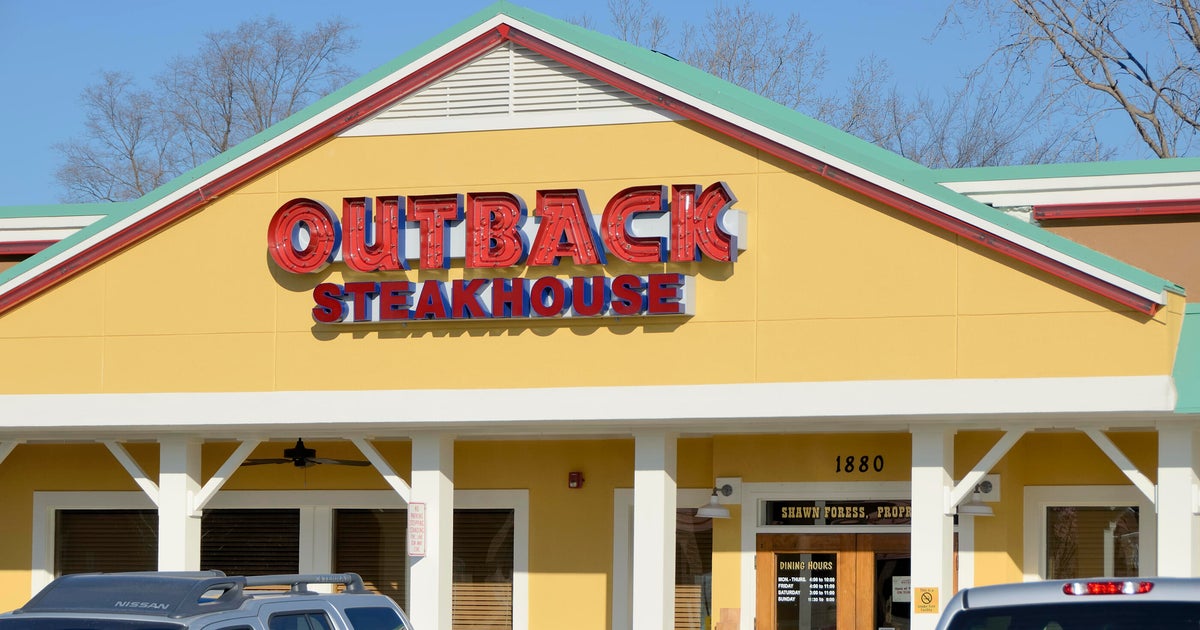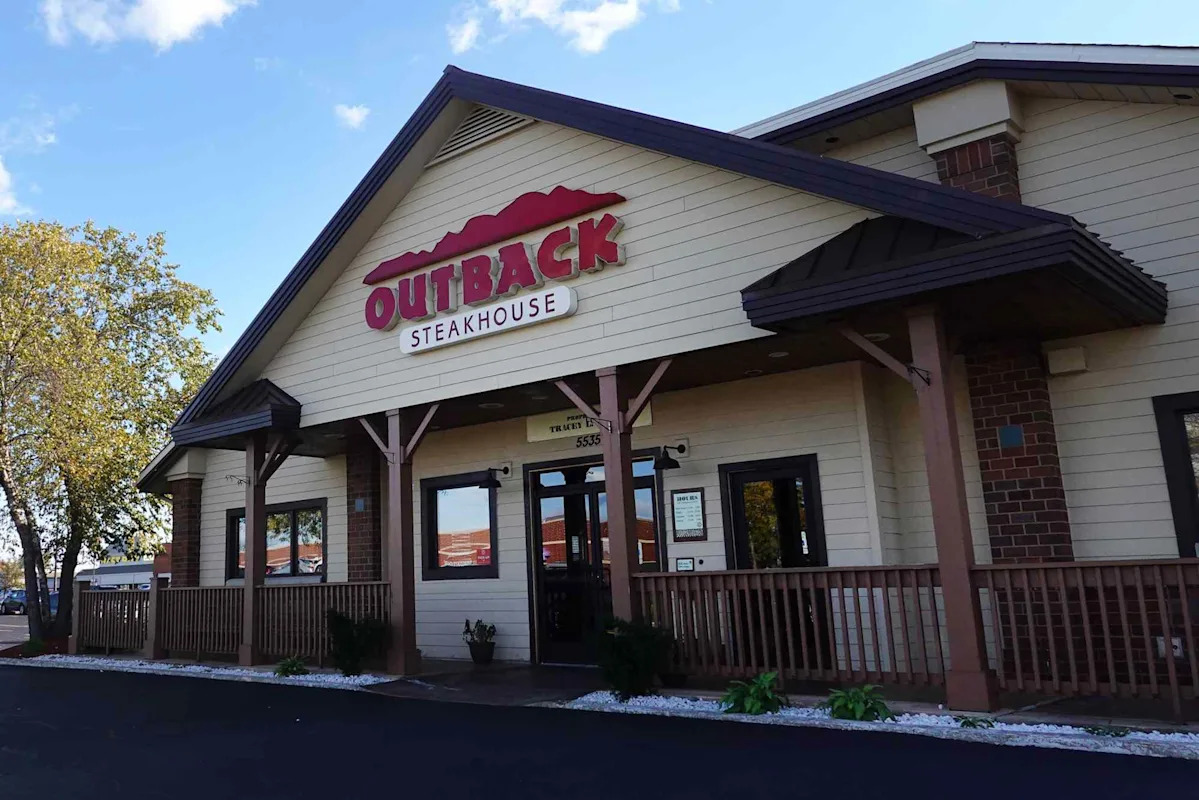
The $1.5 million premises liability action against Outback Steakhouse, initiated by Tracy J. Renshaw, 56, outlines the high stakes of corporate risk management, state tort doctrines, and federal procedural maneuvers. Stemming from a May 14, 2023, slip-and-fall incident on spilled mashed potatoes at a Sterling, Virginia franchise, the litigation illustrates how localized operational failures trigger significant financial exposure for casual dining chains under stringent state tort doctrines.
The Jurisdictional Shift: Strategic Implications of Federal Removal
Originally filed in the Loudoun County Circuit Court in March 2025, the defense successfully removed the action to the U.S. District Court for the Eastern District of Virginia on May 27, 2026. This tactical transition from a state court to a federal forum is a common defensive maneuver in high-value personal injury disputes. Corporate defendants favor federal courts due to stricter pleading standards, structured discovery timelines, and more rigorous controls over expert testimony under Federal Rule of Evidence 702.
By shifting the forum, Outback Steakhouse also aims to mitigate localized jury bias and draw from a broader geographic jury pool. This procedural shift establishes a more predictable legal environment to contest the plaintiff’s claims of permanent physical injuries and the associated seven-figure damages demand.
The Virginia Tort Landscape: The Absolute Bar of Contributory Negligence
The core legal battleground centers on Virginia’s adherence to pure contributory negligence, an exceptionally high threshold for plaintiffs. Unlike comparative negligence frameworks that allocate fault proportionally, Virginia is one of the few jurisdictions where any degree of plaintiff negligence completely bars recovery. If the defense proves that the plaintiff failed to exercise reasonable care for her own safety in the slightest degree, her claim fails as a matter of law.
Outback Steakhouse’s defense strategy leverages this absolute bar by asserting that the spilled substance was open and obvious. By arguing that a reasonably prudent individual exercising ordinary care would have detected and avoided the hazard, the defense seeks to shift the legal focus entirely onto the plaintiff’s conduct immediately preceding the fall.
The “Open and Obvious” Defense and Environmental Variables
Under Virginia premises liability law, commercial landowners owe invitees a duty of reasonable care, but this duty does not extend to hazards that are visible to an ordinary observer. To establish that the hazard was open and obvious, the defense will scrutinize the physical characteristics of the dining area, including the flooring material, contrast, and ambient lighting levels.
To overcome this defense, the plaintiff’s legal team must demonstrate that environmental factors obscured the hazard. Discovery will focus on localized illumination, the color contrast between the spilled mashed potatoes and the floor surface, and visual distractions within the restaurant layout that may have reasonably diverted the plaintiff’s attention.
Operational Protocols and the Constructive Notice Standard
To establish liability, the plaintiff must prove that the restaurant had actual or constructive notice of the hazardous condition. The plaintiff alleges that the steakhouse failed to maintain a safe environment by allowing the spilled food to remain on the floor for an unreasonable duration without deploying wet floor signs.
Constructive notice requires demonstrating that the hazard existed for a sufficient length of time that the staff, in the exercise of ordinary care, should have discovered and remedied it. This standard places the restaurant’s operational protocols under intense scrutiny. The defense will rely on digital evidence, including documented sweep logs, surveillance footage, and employee testimonies, to prove they maintained a proactive monitoring system.
Financial and Risk Management Dimensions of High-Value Claims
A $1.5 million demand triggers involvement from corporate risk management departments and excess liability insurance carriers. For national restaurant chains, such claims represent a persistent operational risk that directly impacts corporate balance sheets through insurance premiums, self-insured retentions, and litigation expenses.
Defense counsel must balance the precedent-setting implications of settling high-value claims against the unpredictable nature of federal jury trials. Consequently, the progress of this case is closely watched by hospitality industry risk managers assessing the cost-benefit dynamics of defending slip-and-fall claims under strict state tort laws.
Evidentiary Dynamics in Casual Dining Litigation
The outcome of federal discovery will largely depend on objective digital and physical evidence. Interior surveillance footage is critical to establishing the precise timeline of when the spill occurred, how long it remained unaddressed, and employee proximity to the hazard. Point-of-sale data and shift records will also be analyzed to determine staffing density at the time of the incident.
The absence of contemporaneous documentation, such as completed incident reports or consistent floor inspection logs, can weaken a corporate defense. Conversely, verifiable logs showing recent inspection of the area shortly before the fall can defeat the plaintiff’s ability to establish constructive notice.