DeRosa Addresses Overconfidence and Team USA’s Wake-Up Call
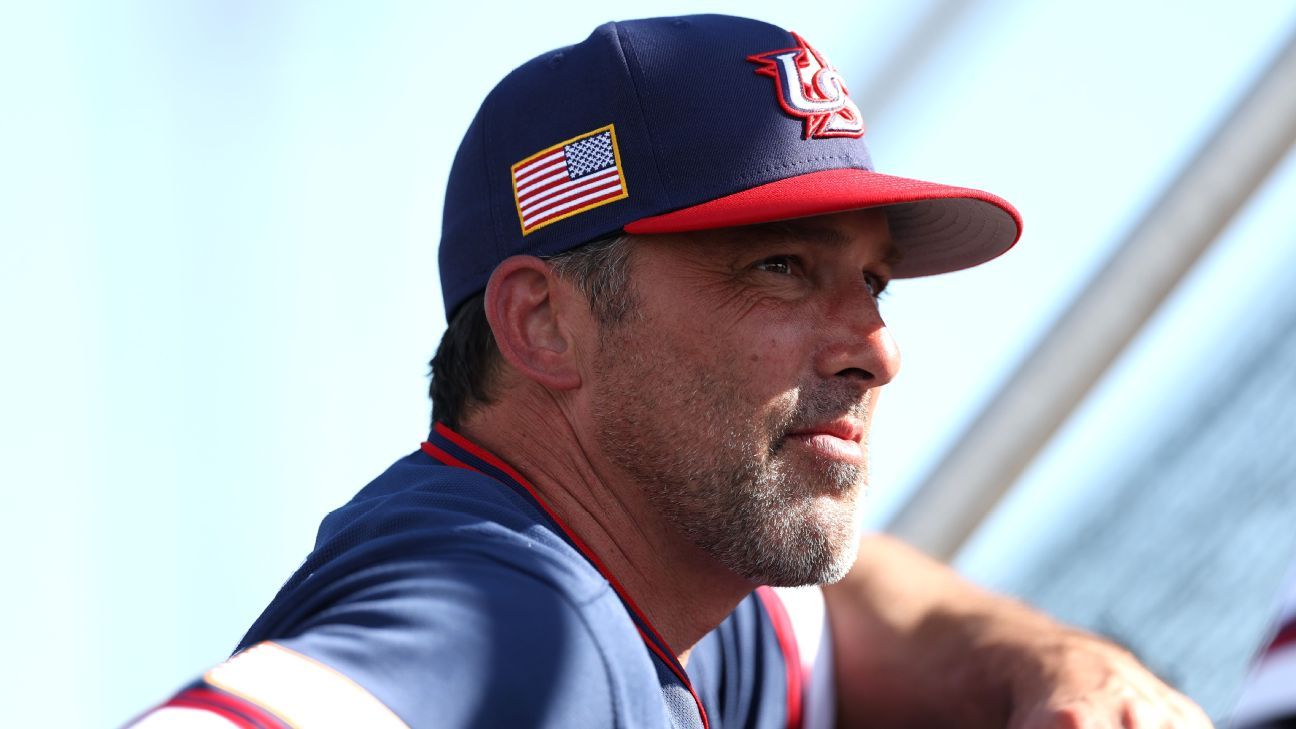
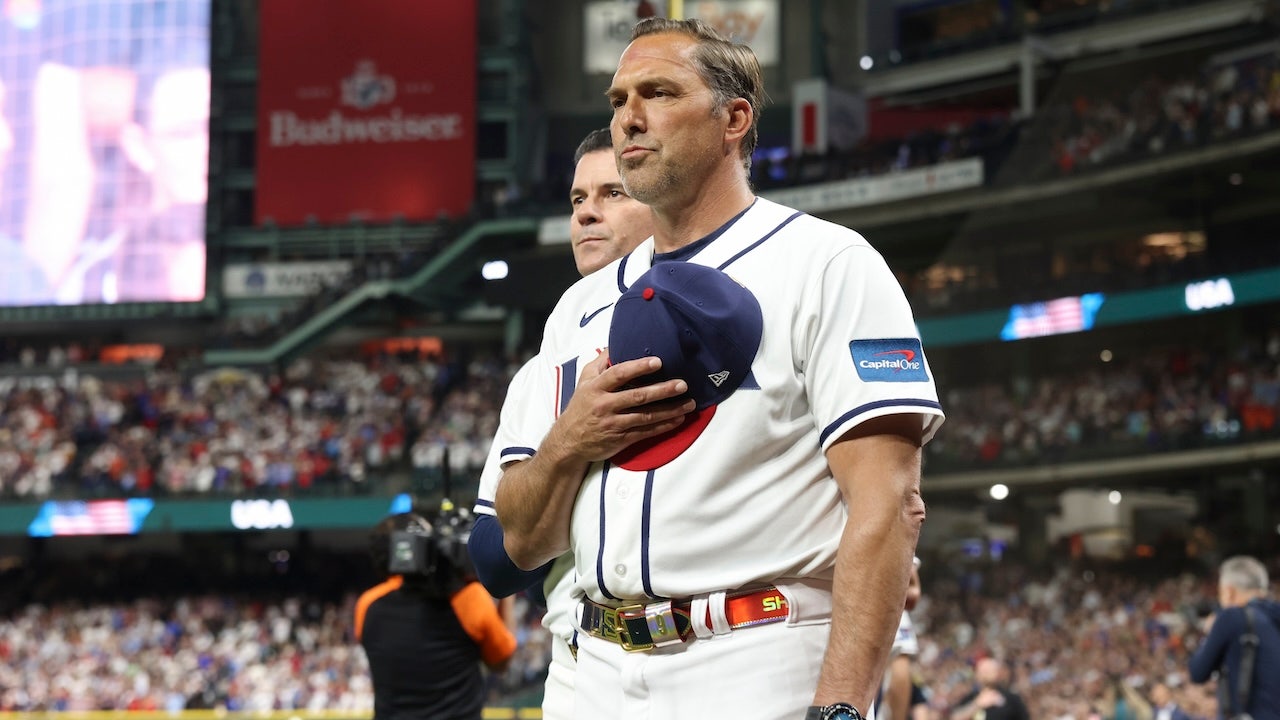
Team USA manager Mark DeRosa publicly confronted criticism following his strategic decisions and pre-game remarks during the World Baseball Classic. His comments followed a significant upset loss to Italy, an outcome that intensified scrutiny on lineup choices and his own earlier pronouncements regarding the team’s tournament standing.
DeRosa’s assertion that Team USA had already secured advancement to the knockout round, made prior to the Italy game, proved demonstrably inaccurate. This miscalculation rapidly circulated across social media and sports commentary, fueling widespread discussion and questioning of the team’s operational approach and decision-making processes leading into critical matchups.
During an in-game interview with Fox Sports, DeRosa underscored his confidence in the roster, stating, “I have an undying passion for it and an undying belief in every guy on this roster.” He further emphasized his view of the team’s talent, asserting, “I don’t think there’s an A or a B. I think they’re all A’s,” a statement intended to affirm his belief in every player’s capability.
Italy’s Upset Victory and Strategic Repercussions
The unexpected 8-6 loss to Italy in pool play served as a critical juncture. It not only ignited internal debate but also fundamentally shifted the competitive dynamics within Group B of the World Baseball Classic. The defeat necessitated a re-evaluation of Team USA’s path to the quarterfinals, moving from a position of perceived control to one dependent on the outcomes of other games.
Italy, featuring a roster with numerous American-born players of Italian heritage, demonstrated a formidable competitive edge by finishing pool play undefeated at 4-0. This performance secured their top position in Group B and highlighted the strategic advantage of assembling a roster that leverages both domestic talent and international eligibility – a common yet often impactful tactic in global tournaments.
Italy’s decisive 9-1 victory over Mexico directly influenced Team USA’s advancement. This result confirmed Italy’s first-place finish in the group, thereby guaranteeing the United States a quarterfinal berth as the second-place finisher, a scenario that materialized a day after DeRosa’s initial, premature proclamation.
Pasquantino’s Taunt and Shifting Competitive Narratives
Following Italy’s victory over Mexico, key Italian player Vinnie Pasquantino directly addressed the U.S. team with a pointed remark: “You’re welcome, U.S.A. We were thinking of you guys over at your hotel. We were thinking of you guys. So I’m glad you could join us in the party.” This statement underscored the competitive tension and the narrative of the U.S. team requiring external assistance to advance.
Pasquantino’s comments, delivered after his own exceptional performance which included three home runs in that game, served as a direct acknowledgment of Italy’s pivotal role in facilitating the American team’s progression. The remark highlighted the psychological dimension of international competition, where on-field results and post-game commentary significantly impact team morale and public perception.
Italy’s perfect pool play record starkly contrasted with Team USA’s 3-1 record, which included the crucial loss to Italy. This performance differential, amplified by Pasquantino’s statement, underscored the competitive parity and the potential for upsets within the tournament, challenging notions of dominance based solely on roster star power.
Mexico’s Elimination and Olympic Qualification Impact
The World Baseball Classic outcomes extended beyond immediate tournament progression, directly impacting qualification pathways for future major international sporting events. Mexico’s 2-2 record in Group B, including their loss to the United States, resulted in their elimination from the WBC and, critically, from contention for a spot in the 2028 Los Angeles Olympics.
This dual consequence for Mexico illustrates the high stakes within international baseball competitions, which increasingly serve as direct conduits for Olympic berths. The failure to advance in the WBC carries significant long-term implications for Mexican baseball’s international visibility and development trajectory, potentially affecting national sporting investment and athlete pathways.
Team USA’s advancement, contingent on Italy’s victory over Mexico, secured their progression to a quarterfinal matchup against Canada. This scenario, while ensuring their immediate tournament future, also highlighted the intricate interdependencies within tournament structures, where one nation’s performance directly impacts the fate of others, both within the competition and for broader international sporting goals.
DeRosa Re-evaluates “Overly Confident” Statement
Manager Mark DeRosa characterized his premature statement about Team USA’s guaranteed advancement as an “overly confident statement” made on MLB Network’s “Hot Stove.” He acknowledged personal responsibility for the remark, which preceded the loss to Italy and consequently placed the team’s fate in a more precarious position, dependent on external results for progression.
DeRosa subsequently framed the situation as a “new lease on life for the boys, certainly,” suggesting a strategic recalibration. This perspective implies that the unexpected adversity served as a catalyst for increased focus and a more grounded approach to the remainder of the tournament, moving past any perceived complacency.
The manager’s admission of entering the game against Italy with “a little overly confident” sentiment and receiving a “huge wake-up call” indicates a critical learning moment for the coaching staff and players. This self-awareness is crucial for navigating high-pressure environments where perceived invincibility can be a significant strategic liability, potentially leading to underestimation of opponents and tactical missteps.
Media Scrutiny and the Competitive Landscape
The scrutiny surrounding DeRosa’s comments and Team USA’s performance highlights the intense media spotlight and fan expectations placed upon national teams, particularly those perceived as having elite talent. The rapid dissemination of his pre-game remarks and their subsequent contradiction by the game’s outcome exemplifies the immediate and far-reaching impact of public statements in the digital age.
This heightened level of analysis and criticism reflects the broader trend in professional sports where every decision, from roster construction to in-game strategy, is subject to immediate and often harsh public judgment. The pressure to perform is amplified by the global reach of tournaments like the World Baseball Classic, where national pride and commercial interests are closely intertwined.
The narrative surrounding Team USA’s journey, marked by unexpected setbacks and eventual advancement, underscores the inherent unpredictability of elite sports. It also demonstrates how managerial decisions and public communication are critical components of team performance, influencing not only the players on the field but also external perception and the competitive environment.
Strategic Implications of Roster Construction and Performance
The composition of the Italian team, featuring a substantial contingent of American-born players, raises broader questions about international sports federations’ eligibility rules and their impact on competitive balance. While these rules aim to foster global participation, they can lead to situations where national teams are heavily influenced by talent pools from other established baseball nations.
This dynamic creates complex strategic considerations for national federations. They must balance the desire to field the strongest possible team with the imperative to develop domestic talent and maintain a distinct national identity. Italy’s success in the WBC, leveraging players with dual citizenship, presents a model that other nations might emulate or counter.
For Team USA, the performance against Italy and subsequent advancement, albeit through an indirect route, highlights the strategic importance of adaptability and resilience. The ability to absorb a significant setback, re-center, and perform under pressure is a critical indicator of championship potential. The manager’s role in fostering this environment, especially after public missteps, becomes paramount.
Media’s Role in Shaping Narratives
The rapid spread of DeRosa’s “Hot Stove” comment and the subsequent backlash illustrate the powerful role of sports media in constructing and disseminating narratives. The viral nature of such content means a single statement can quickly define public perception, often before the full context or subsequent developments are understood.
This media ecosystem creates a challenging environment for managers and athletes, who must navigate not only competition pressures but also the constant demand for public engagement and the potential for their words to be amplified and scrutinized. Strategic communication from team leadership is therefore as critical as on-field execution.
The narrative shift from DeRosa’s initial overconfidence to a “new lease on life” demonstrates the media’s capacity to reflect and shape evolving storylines. As the tournament progresses, focus will shift to Team USA’s quarterfinal performance, with past controversies potentially fading if the team achieves success, highlighting the performance-driven nature of sports media coverage.
Downstream Effects on Competitive Positioning
The unexpected results and managerial commentary within the World Baseball Classic have tangible downstream effects on the competitive positioning of participating nations. For Team USA, the initial stumble and subsequent reliance on other teams for advancement, while ultimately successful, creates a narrative of vulnerability that opponents may seek to exploit.
Conversely, Italy’s impressive undefeated run and decisive victory over the U.S. significantly elevate their standing in international baseball. This performance bolsters their reputation and likely enhances their ability to attract top-tier talent for future tournaments, potentially altering the long-term competitive balance in global baseball.
Mexico’s elimination from both the WBC and Olympic qualification represents a significant setback, impacting their national baseball program’s development and international visibility for years. This outcome underscores the critical nature of performance in high-stakes tournaments, where failure to advance can have profound and lasting consequences on a nation’s sporting trajectory.
Institutional Impact and Future Tournament Strategy
The events within the World Baseball Classic have implications for the institutional strategies of national baseball federations and the governing bodies of international baseball. The reliance on players with dual citizenship, exemplified by Italy, may prompt a review of eligibility rules and recruitment strategies by federations like USA Baseball.
Furthermore, the intense media scrutiny and public reaction to managerial decisions highlight the need for robust internal communication protocols and strategic messaging. The incident serves as a case study in managing public perception during high-stakes international competitions, emphasizing the importance of consistent and accurate communication from leadership.
Looking ahead, the performance and narrative surrounding Team USA in this tournament will undoubtedly inform future strategic planning. Lessons learned from the Italy game—regarding overconfidence, opponent respect, and the impact of public statements—will likely be integrated into the preparation and management of subsequent national team endeavors, aiming to avoid similar pitfalls and optimize competitive outcomes.