
The Tuesday primaries in Wisconsin and Minnesota represent more than a localized candidate selection; they serve as a critical referendum on the Democratic Party’s ideological architecture following 2024’s electoral setbacks. Internal factions are no longer merely debating policy—they are contesting the party’s fundamental identity, weighing the mobilization potential of populist progressivism against the risk-aversion of moderate incrementalism.
The Michigan Proof of Concept
The institutional vulnerability of the party establishment was recently underscored in Michigan. Abdul El-Sayed’s victory over Representative Haley Stevens to succeed retiring Senator Gary Peters demonstrated that progressive momentum has transitioned from urban enclaves to statewide viability. By bypassing traditional gatekeepers and neutralizing the financial advantages of establishment-backed moderates, El-Sayed’s campaign provided a scalable blueprint for displacing entrenched power brokers through a focus on material economic reform.
Wisconsin’s Gubernatorial Paradigm Shift
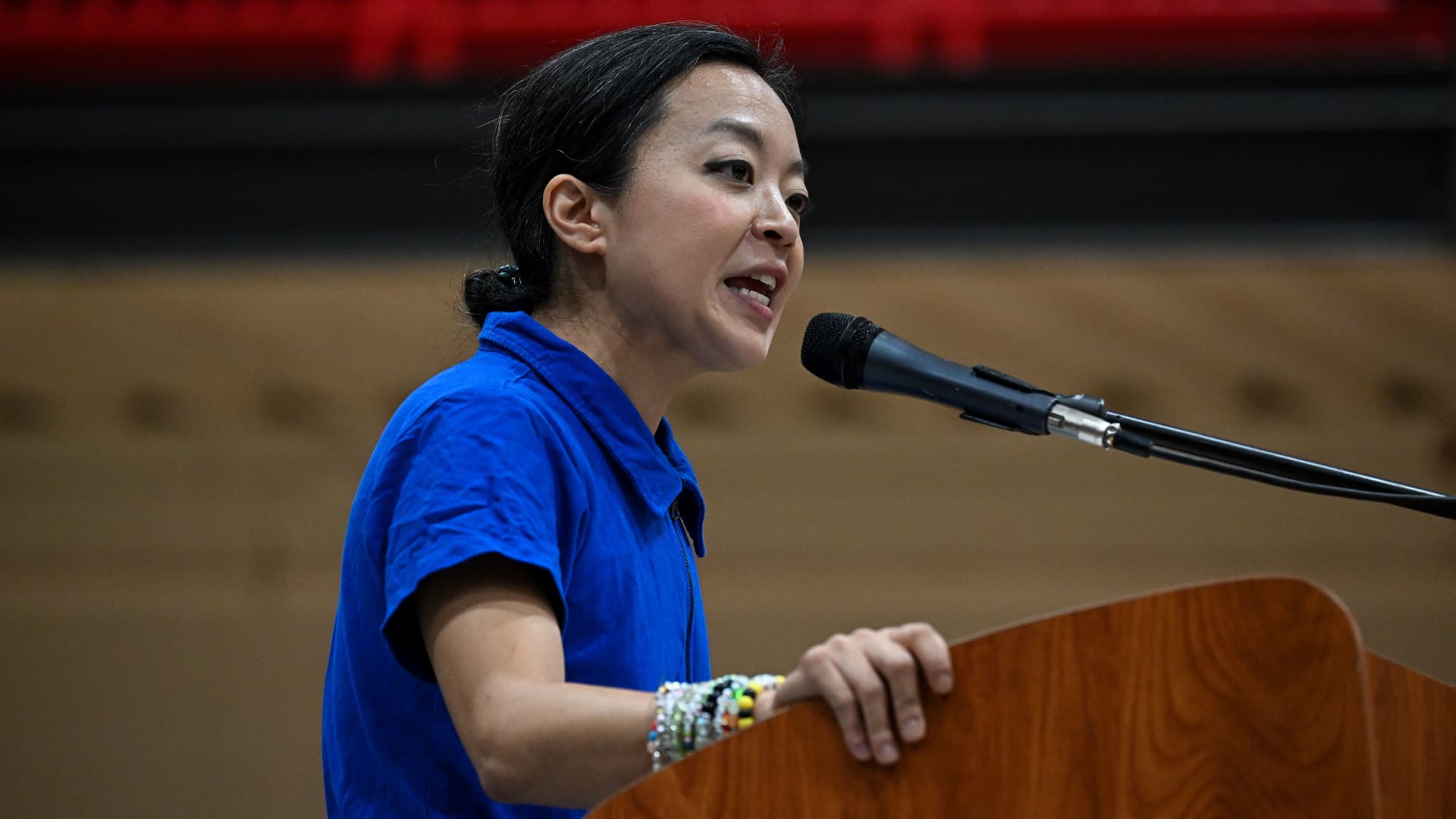
In Wisconsin, the gubernatorial primary has transitioned from a competitive race into a showcase of progressive dominance. Francesca Hong’s consistent double-digit lead indicates a base that has matured beyond the ‘electability’ narratives that favored centrist pragmatism in previous cycles. This lead forces a strategic dilemma for the party’s administrative wing: consolidate around a struggling moderate alternative or concede the state’s executive nomination to a candidate promising systemic, rather than incremental, change.
Minnesota and the Sanders-Mamdani Ideological Export
The Minnesota contests highlight a strategic ‘nationalization’ of local races. Candidates aligned with the Sanders-Mamdani framework are leveraging universal economic themes to build broad-based coalitions. This approach intentionally transcends traditional party allegiances, tapping into a cross-demographic fatigue with corporate-aligned governance. The results in Minnesota will determine if this populist surge is a structural transformation of the Upper Midwest’s political landscape or a transient reaction to recent losses.
The Strategic Weaponization of Economic Grievance
Central to this primary cycle is the strategic lever of economic anger. Progressives have successfully framed current financial instability as a direct consequence of centrist inertia and corporate appeasement. By centering the narrative on tangible material improvements, they have effectively sidelined the cultural issues that historically fractured the Democratic base. This shift complicates the party’s donor relations, as the price of voter mobilization now increasingly includes an aggressive stance on corporate accountability and wealth redistribution.
Institutional Atrophy and General Election Viability
The collapse of the ‘moderate firewall’—the long-standing belief that centrist candidates are the only viable general election contenders—represents an existential threat to the party’s current leadership. As progressives capture nominations in swing states, the establishment’s investment strategies face obsolescence. The challenge for the new populist vanguard will be translating this primary energy into a broad-spectrum appeal capable of overcoming the Republican advantages established in 2024 without diluting the transformative agenda that secured their nominations.

Photo by JhonDL on Pixabay.