Chicago Faces Severe Storm Threat as Deep Tunnel System Nears Capacity
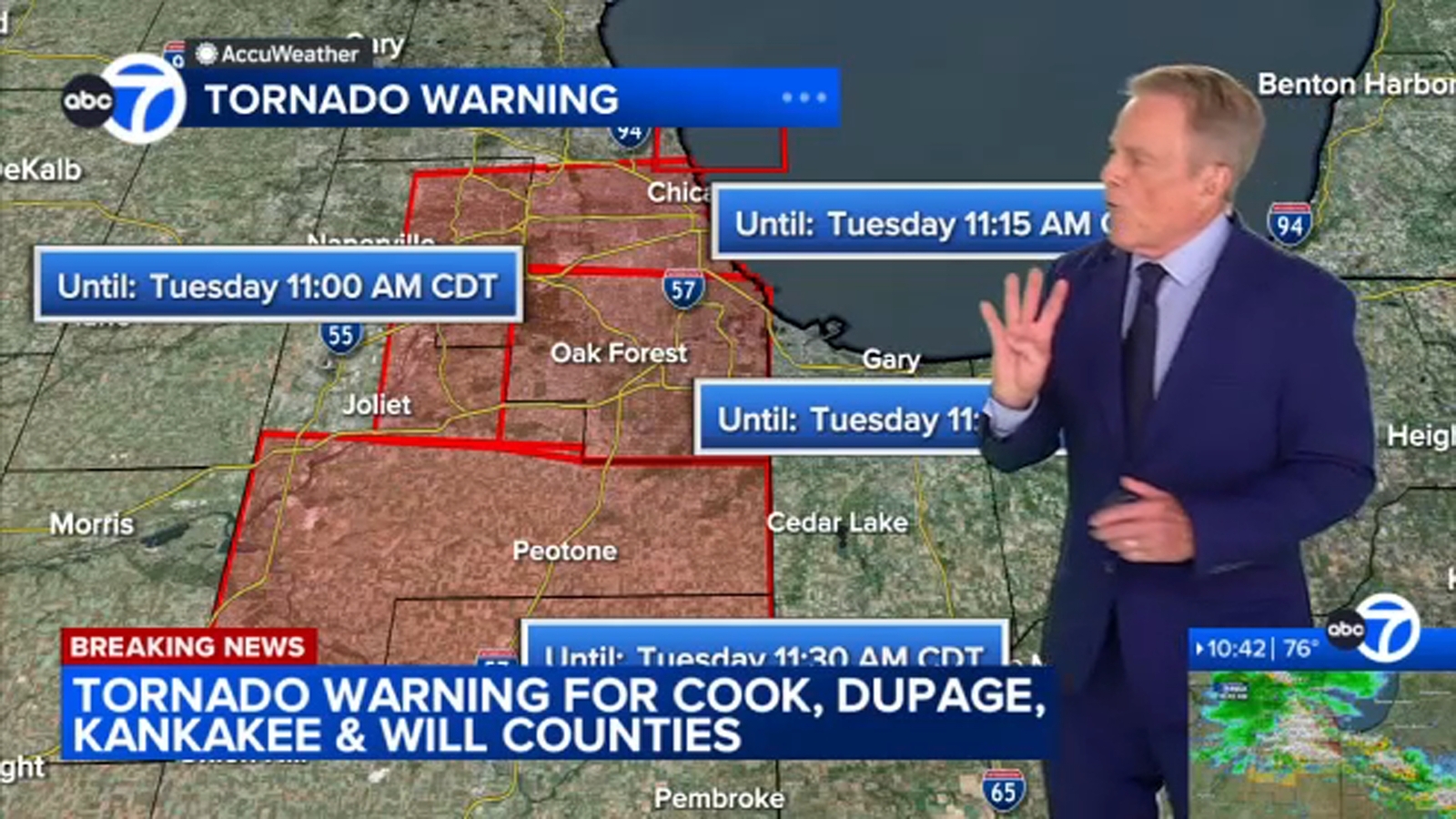
The Chicago metropolitan area is under a critical AccuWeather Alert due to forecasts of severe storms. These storms are expected to bring powerful winds, potentially reaching 80 mph, and a significant risk of tornadoes. Multiple tornado warnings have been issued for counties including Lake, Grundy, Kankakee, Kendall, Will, Cook, and DuPage. Downtown Chicago office workers have received urgent shelter-in-place advisories.
A Severe Thunderstorm Watch is active across a broad region, impacting Chicago until 2 p.m. and LaPorte County, Indiana, until 5 p.m. Specific Severe Thunderstorm Warnings are in effect for Cook, DuPage, Kane, and Kendall counties in Illinois, and LaPorte County, Indiana, forecasting wind gusts up to 80 mph and the possibility of large hail.
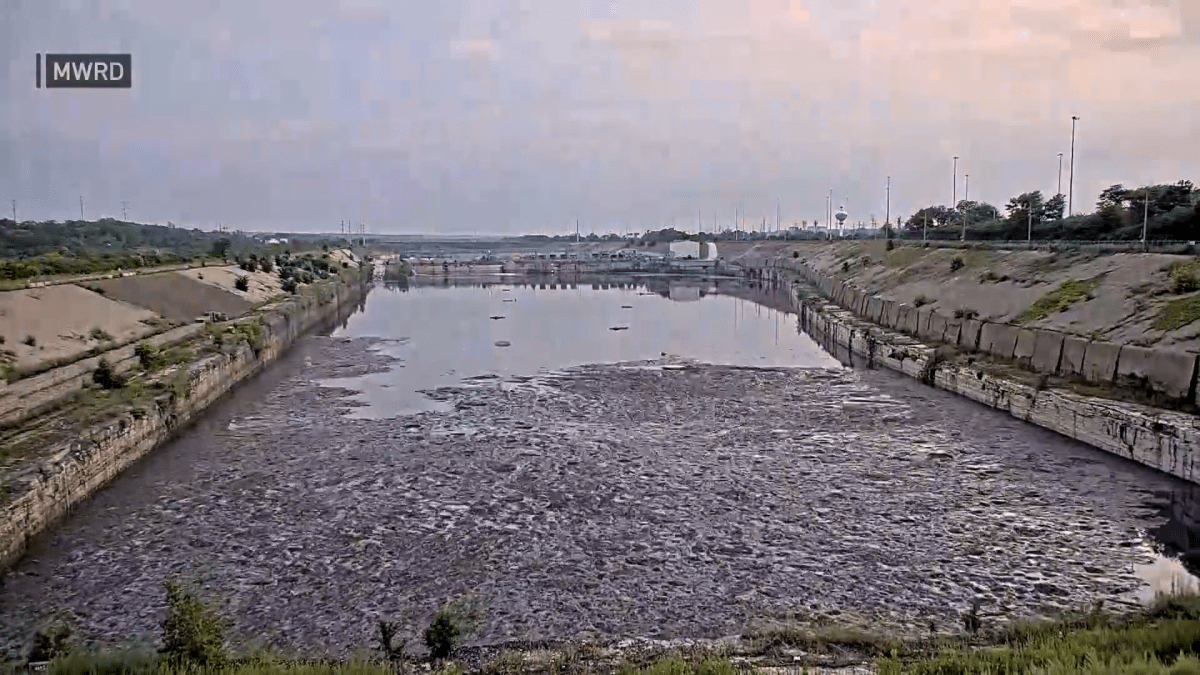
This severe weather strikes as Chicago’s infrastructure grapples with saturated conditions from recent heavy rainfall. The deep tunnel system, particularly the McCook Reservoir, has reached 95% capacity, nearing its operational limits and raising immediate flood concerns.
Stormwater System Under Extreme Pressure
The Metropolitan Water Reclamation District (MWRD) has declared Monday an Overflow Action Day. This designation is a crucial measure to alleviate strain on the Tunnel and Reservoir Plan (TARP) and urges residents and businesses to reduce water usage. MWRD Executive Director John Murray emphasized the critical need for conservation, stating, “Delay washing dishes, delay running the dishwasher. They could take shorter showers, anything they can do. To keep water out of the system, because in situations like this, every drop counts.” This highlights the MWRD’s operational challenges in managing stormwater during intense precipitation.
The McCook Reservoir, a key component of TARP, has a history of reaching capacity, having done so five times between 2021 and 2025. This year has seen an accelerated trend, with the reservoir filling up seven times, most recently in the preceding month. This increased frequency signals a growing challenge in managing system saturation.
Reservoir Status and Flood Risk Assessment
In contrast to McCook’s critical levels, the Thornton Reservoir in the southern suburbs is currently at approximately 60% capacity. The smaller Majewski Reservoir in Elk Grove Village also contributes to the city’s stormwater management strategy, though its capacity is less significant for large-scale events.
The high saturation levels, especially at McCook, escalate the risk of flash flooding. A Flash Flood Warning is in effect for LaPorte County, Indiana, until 2 p.m., with Flood Advisories for Jasper and Porter counties until 1 p.m., indicating localized inundation risks exacerbated by the ongoing severe weather.
The MWRD’s strategy of implementing Overflow Action Days and active reservoir management is a direct response to the increasing frequency and intensity of extreme weather. This proactive approach aims to prevent combined sewer overflows, protecting local waterways and public health from untreated sewage discharge.
Systemic Challenges and Climate Adaptation
The recurring near-capacity status of McCook Reservoir and frequent Overflow Action Days reveal systemic issues within Chicago’s stormwater management infrastructure. This situation necessitates a strategic re-evaluation of TARP’s long-term capacity and resilience, especially considering climate change projections for more extreme weather patterns.
Substantial financial investment is required from the MWRD for continuous maintenance, upgrades, and potential expansion of existing infrastructure. Operational costs for managing these events, including public advisories and emergency responses, further strain the district’s budget and resource allocation.
From a public policy standpoint, the stress on the deep tunnel system underscores the intersection of urban development, environmental sustainability, and public safety. The MWRD’s reliance on public cooperation during Overflow Action Days highlights the critical role of public awareness and engagement in mitigating severe weather impacts.
Environmental Science Insights on Infrastructure Stress
Professor Max Berkelhammer of the University of Illinois Chicago offers insights into the broader environmental context. His analysis likely addresses the hydrological impacts of urbanization, the effectiveness of large-scale infrastructure against extreme precipitation, and the ecological consequences of system overloads.
The repeated filling of reservoirs like McCook suggests that current infrastructure, while extensive, may be approaching its design limits under evolving climatic conditions. This prompts discussions on adaptive management, including green infrastructure solutions, enhanced water retention, and updated engineering standards for stormwater management.
Environmental science also considers the cumulative impact on local ecosystems. Increased runoff, potential pollutant discharge during overflows, and stress on aquatic habitats are key factors influencing the long-term sustainability of urban environments facing intensified weather patterns.
Stakeholder Impacts and Future Infrastructure Planning
Immediate stakeholders affected by these severe weather events include residents, businesses, and emergency services in the Chicago area. Tornado warnings and flash flood advisories demand immediate safety precautions and pose risks of property damage and service disruptions.
For the MWRD, the recurring strain on TARP presents significant operational and financial challenges. Effective stormwater management is crucial for maintaining public trust and meeting environmental regulatory requirements, impacting the district’s standing and funding prospects.
The persistent pressure on Chicago’s stormwater infrastructure signals a need for strategic foresight in urban planning and capital investment. These recurring near-capacity events are indicators of a broader trend requiring a proactive, long-term approach to infrastructure resilience and climate adaptation. This may involve exploring innovative engineering solutions, revising development policies to prioritize stormwater management, and fostering inter-agency collaboration to address the multifaceted challenges of extreme weather.