Institutional Realignment within the Texas Republican Vanguard
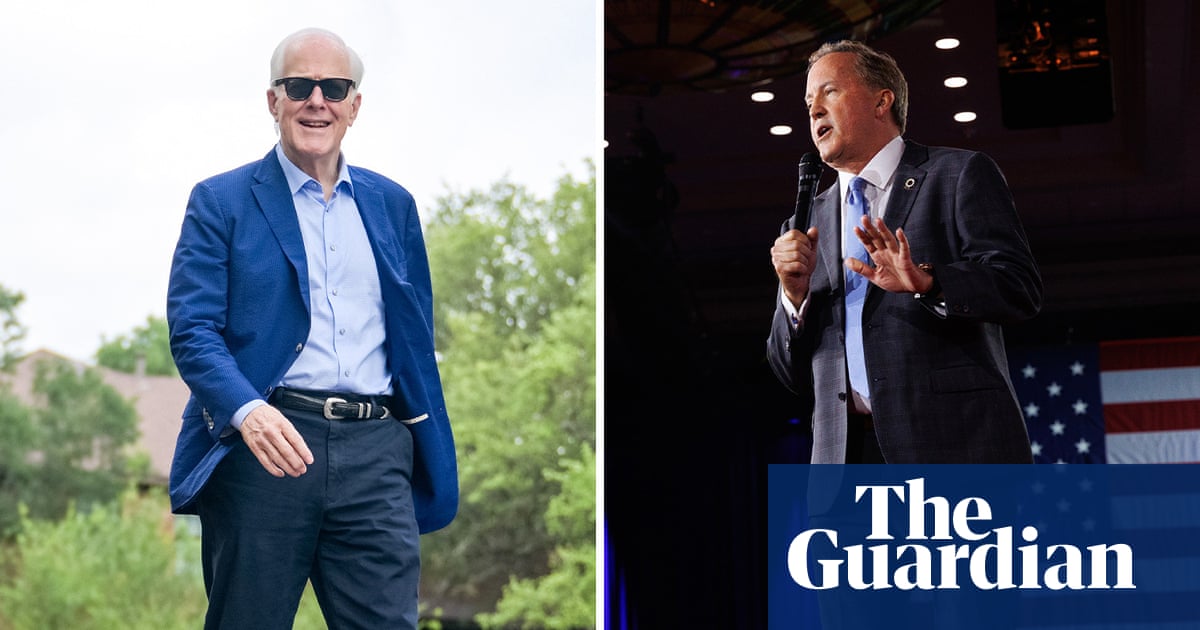
The Republican Senate primary runoff in Texas serves as a critical case study in the erosion of traditional incumbency advantage. Senator John Cornyn, embodying decades of institutional leverage and legislative seniority, faces an existential challenge from Attorney General Ken Paxton. This contest is less a standard electoral choice and more a systemic referendum on the GOP’s governing philosophy—pitting the established chamber hierarchy against a surging populist insurgency that prioritizes ideological combat over procedural stability.
The Trump Endorsement as a Disruptor of Incumbency
The strategic deployment of Donald Trump’s endorsement for Paxton, finalized in the eleventh hour of the campaign, functioned as a catalyst for institutional volatility. By framing the race through the lens of movement loyalty, the endorsement effectively nullified Cornyn’s narrative of steady, veteran leadership. This tactical maneuver highlights a broader trend: the diminishing returns of legislative experience in an era where affective polarization and personal loyalty to the MAGA movement serve as the primary currencies of political capital.
The Ascendance of Affective and ‘Vibe-Based’ Politics
Analytical observations suggest a significant convergence in the candidates’ actual policy positions, with both maintaining high-fidelity conservative voting records. Consequently, the electorate’s divergence is driven by ‘political aesthetics’—the perceived willingness to engage in performative conflict. This shift toward ‘vibe-based’ politics indicates that the Republican base increasingly values rhetorical aggression and aesthetic alignment over substantive committee work or bipartisan negotiation, complicating the survival strategy for traditionalist incumbents.
The RINO Paradigm and the Redefinition of Conservatism
The weaponization of the ‘RINO’ (Republican In Name Only) label against Cornyn illustrates the narrowing definition of conservative orthodoxy. By delegitimizing a four-term incumbent, the insurgent faction is successfully shifting the party’s goalposts. This rhetorical strategy creates a high-friction environment where any legislative compromise is interpreted as systemic betrayal, potentially limiting the party’s future ability to govern effectively in a divided federal system.
The Trade-off: Legislative Seniority vs. Ideological Purity
Cornyn’s potential displacement represents a substantial loss of institutional memory and committee influence for the Texas delegation. Conversely, a Paxton victory would formalize a preference for a ‘warrior’ archetype in the Senate. This trade-off suggests that the primary electorate is willing to sacrifice long-term legislative influence for the immediate psychological and political satisfaction of a more confrontational federal presence.
Downstream Implications for the General Election
The eventual nominee must pivot to face Democrat James Talarico in a high-stakes general election. The internal vitriol of the runoff risks alienating the suburban and moderate demographics necessary for a unified front. The strategic challenge for the Texas GOP lies in synthesizing these fractured factions before the general election, where the Democratic opposition aims to capitalize on perceived Republican extremism and internal instability.