“Marshals” Season Finale: Cliffhanger Unleashes New Threats and Personal Peril
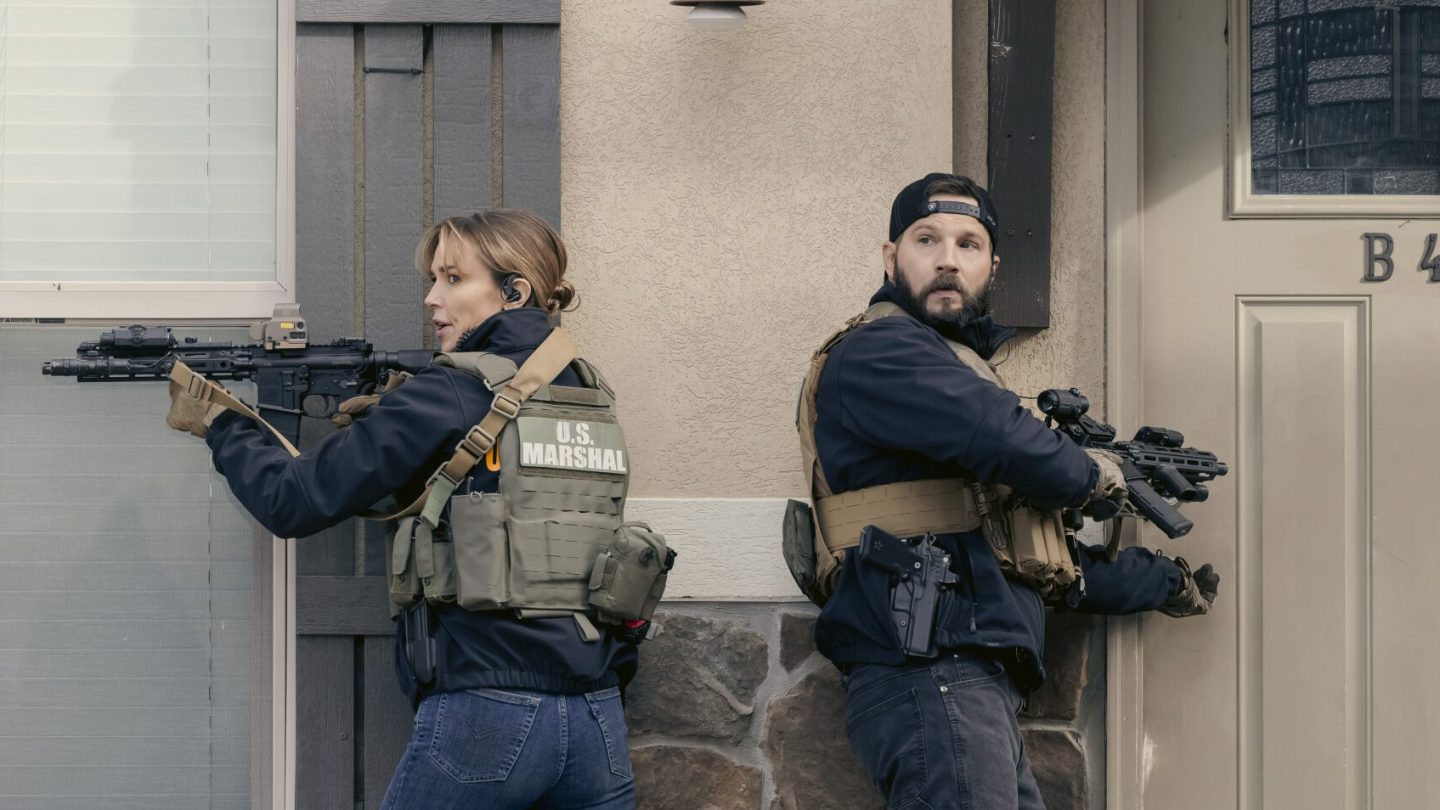
The inaugural season of CBS’ “Marshals” concluded with a high-stakes cliffhanger, directly imperiling Supervisory Deputy U.S. Marshal Pete “Cal” Calvin (Logan Marshall-Green) and Deputy U.S. Marshal Isabel “Belle” Skinner-Turek (Arielle Kebbel). The episode, “Wolves at the Door,” also places lead character Kayce Dutton (Luke Grimes) and his son Tate in immediate danger, strategically positioning the series for its confirmed second season by introducing unresolved threats and escalating personal stakes.
The season’s final moments reveal rancher patriarch Tom Weaver (Chris Mulkey) as the orchestrator of previous attacks targeting Broken Rock chairman Rainwater. The ambush of Cal and Belle by gunmen affiliated with the Weaver family unmasks Weaver as a primary antagonist. His emergence is intrinsically linked to an escalating land dispute of which Kayce Dutton remains unaware.
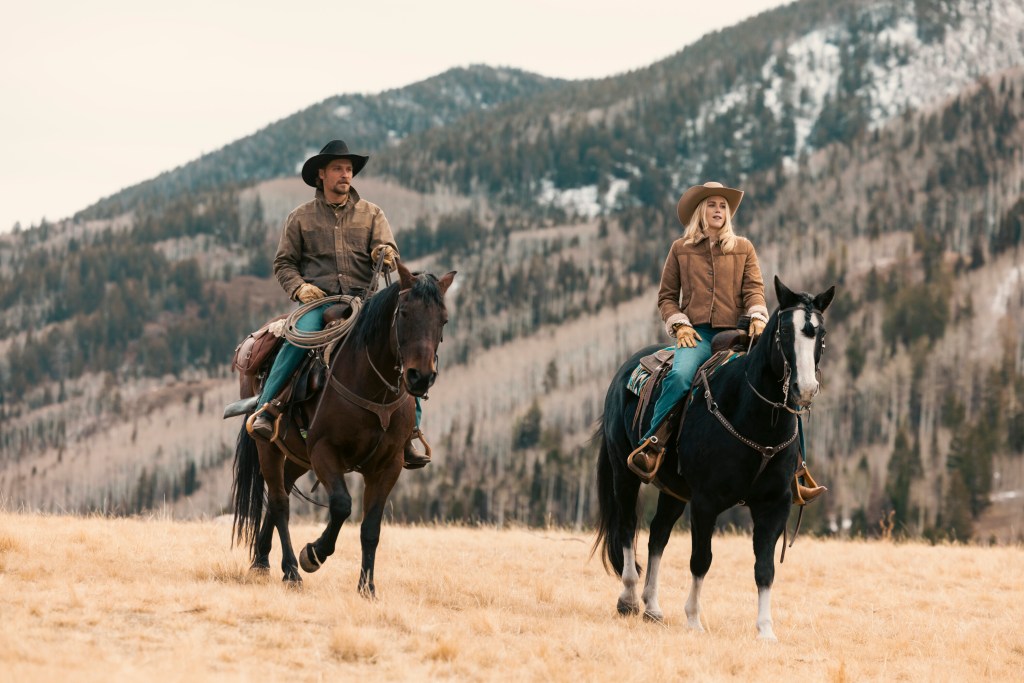
The narrative contrasts the immediate peril faced by Cal and Belle with the seemingly serene departure of Kayce and his new love interest, Dolly Weaver (Tom Weaver’s daughter). This juxtaposition highlights Kayce’s current obliviousness to the broader conflict and his father-in-law’s machinations, while underscoring Tate’s unwitting proximity to the antagonist. This strategic placement amplifies dramatic tension and sets the stage for immediate narrative consequences.
Tom Weaver’s revelation as the mastermind behind the season’s violence fundamentally reconfigures the show’s antagonistic structure. His background as a Wall Street broker turned rancher presents a complex duality, suggesting a strategic and financially motivated approach to his illicit activities. This includes the abduction of Kayce’s son, Tate, directly involving the Dutton family in the escalating conflict.
Weaver’s dual identity as a sophisticated financier and a ruthless rancher positions him as a formidable adversary, capable of leveraging both economic influence and brute force. This complexity challenges Kayce Dutton’s established operational framework, forcing him to confront an enemy whose methods extend beyond conventional law enforcement or frontier justice, thereby raising the stakes for the Dutton family.
The cliffhanger concerning Cal and Belle’s survival is a deliberate narrative device to maintain audience engagement and underscore the volatile nature of their work. While their status as series regulars suggests a likelihood of survival, creator Taylor Sheridan’s history of subverting audience expectations introduces critical uncertainty regarding their fates, impacting the marshals’ unit capacity and morale heading into season two.
The potential departure of Deputy U.S. Marshal Andrea Cruz (Ash Santos) adds another layer of uncertainty to the marshals’ team composition. Her depicted ‘will-they-or-won’t-they’ exit from Montana suggests a personal arc that could intersect with or diverge from the main conflict, potentially impacting the unit’s effectiveness and Kayce’s support network.
Kayce Dutton’s personal life, particularly his romantic entanglements, is a focal point of the finale’s strategic narrative. His burgeoning relationship with Dolly Weaver, described with “Romeo and Juliet vibes,” places him in a precarious position, caught between professional duties and a personal connection to the antagonist’s family. This dynamic introduces a significant ethical and operational dilemma, potentially compromising his judgment and exposing him to familial conflict.
The thematic resonance of violence in Montana’s landscape, even after John Dutton’s passing, persists in the “Yellowstone” universe. The “Marshals” finale reinforces this with continued firefights and the emergence of new adversaries like Weaver. This continuity suggests that the legacy of violence and the struggle for land and resources remain central to the narrative’s core, impacting character motivations and strategic decisions.
The introduction of Tom Weaver as a villain with a finance background offers a contemporary dimension to the traditional Western narrative of land disputes. His ability to operate through overt violence and potentially subtler economic or legal means presents a multifaceted threat that extends beyond immediate physical danger. This strategic depth suggests that season two conflicts will likely involve complex power plays, testing the marshals’ adaptability.
The finale’s structure, with interwoven cliffhangers and villain reveals, is designed to maximize audience anticipation for the next season. By leaving multiple character fates uncertain and introducing a powerful new antagonist with deep familial ties to a protagonist, showrunners employ proven techniques to ensure continued viewership, capitalizing on the “Yellowstone” franchise’s success with dramatic tension and character-driven conflict.
The strategic decision to position Tom Weaver’s daughter, Dolly, as Kayce’s love interest introduces a potent “Romeo and Juliet” dynamic that inherently complicates loyalties and operational effectiveness. This choice forces Kayce to navigate a treacherous personal landscape directly intersecting his professional responsibilities, creating opportunities for betrayal, manipulation, and profound character development. The inherent conflict of interest serves as a powerful engine for future plotlines, testing the boundaries of his judgment and commitment.
The overarching land dispute, which Kayce remains unaware of, functions as a critical structural element underpinning the finale’s dramatic revelations and setting the stage for future confrontations. This unresolved territorial conflict serves as the primary catalyst for Weaver’s violence, positioning it as a foundational element of the series’ ongoing narrative and suggesting its significant impact on future seasons.
The operational implications for the U.S. Marshals Service are highlighted by the vulnerability of its agents to sophisticated and well-resourced adversaries. The ambush of Cal and Belle suggests the Weaver family possesses a level of organization and firepower challenging the conventional operational capacity of law enforcement in the region. This portrayal raises questions about the resources and intelligence available to marshals confronting such threats.
The emergence of Tom Weaver as a villain with a finance background introduces a modern dimension to the archetypal Western antagonist. His potential to wield economic power alongside physical force suggests a more complex and insidious form of conflict than typically seen in traditional Western narratives. This strategic layering of threat, combining financial acumen with violent intent, positions Weaver as a formidable and contemporary adversary capable of exploiting systemic vulnerabilities.
Kayce Dutton’s narrative arc, marked by personal losses and continued law enforcement involvement, is further complicated by his new romantic relationship. The “Romeo and Juliet” parallel with Dolly Weaver places him in a compromised position, potentially forcing him to choose between duty and personal affections. This internal conflict is a critical driver for character development and will likely influence his strategic decision-making.
The strategic decision to end the season with multiple characters in peril, including the lead and his son, is a calculated move to maximize audience investment and anticipation. This cliffhanger approach, while common in serialized television, is particularly effective in establishing high stakes and demonstrating the pervasive nature of the threats within the series’ world, signaling a commitment to maintaining dramatic tension and unpredictability.
The introduction of a new villain with deep ties to the protagonist’s personal life, as exemplified by Tom Weaver and his daughter Dolly, creates fertile ground for complex interpersonal conflicts and moral ambiguity. This strategy ensures stakes are not merely professional but deeply personal, forcing characters to confront difficult choices and ethical boundaries, crucial for sustained audience engagement and nuanced character arcs.
The underlying land dispute, remaining a blind spot for Kayce Dutton, serves as a critical structural element that fuels the season’s dramatic conclusion and foreshadows future narrative developments. This unresolved territorial conflict is the primary driver of the Weaver family’s actions, establishing it as a central theme likely to dominate subsequent seasons and underscoring the enduring relevance of land control as a source of conflict.
The operational challenges faced by the marshals, particularly in confronting adversaries with significant resources and a willingness to employ extreme violence, are a recurring motif. The ambush of Cal and Belle highlights the inherent dangers of their profession and the potential for well-organized criminal elements to operate with impunity in remote areas, implicitly raising questions about law enforcement’s tactical preparedness and intelligence in such environments.
The strategic positioning of Tom Weaver as a villain who leverages both financial expertise and brute force offers a contemporary interpretation of the classic Western antagonist. His ability to operate through sophisticated means, potentially including economic manipulation, alongside overt violence, presents a multifaceted threat that challenges conventional law enforcement paradigms. This complexity suggests future conflicts will require a broader strategic response.
The narrative choice to introduce a love interest for Kayce Dutton directly connected to the primary antagonist creates a potent “Romeo and Juliet” dynamic. This inherently dramatic situation forces Kayce into a position of profound conflict, where personal desires and professional obligations are diametrically opposed, serving as a powerful engine for exploring themes of loyalty, betrayal, and the corrosive effects of conflict.
The foundational land dispute, of which Kayce Dutton remains unaware, serves as a critical structural element that underpins the season finale’s dramatic revelations and sets the stage for future narrative arcs. This unresolved territorial conflict is the strategic impetus behind the Weaver family’s actions, establishing it as a central theme that will likely shape the series’ trajectory and underscoring the enduring power of land control as a narrative driver.
The operational challenges inherent in law enforcement’s pursuit of well-resourced and violent adversaries are starkly illustrated by the ambush of Cal and Belle. This incident highlights the significant risks faced by U.S. Marshals operating in remote territories, where they may encounter opposition with superior firepower and tactical advantages, implicitly raising questions about the effectiveness of intelligence gathering and resource deployment.
The strategic introduction of Tom Weaver as a villain who combines financial acumen with a propensity for violence offers a modern reinterpretation of the classic Western antagonist. His capacity to operate through both economic leverage and direct force suggests a sophisticated threat that transcends traditional criminal archetypes, implying future confrontations will demand a more nuanced and strategic response.
The narrative decision to pair Kayce Dutton with Dolly Weaver, the daughter of the season’s primary antagonist, injects a potent “Romeo and Juliet” element into the series’ core conflict. This inherently dramatic relationship forces Kayce into a compromised position, where his personal affections directly clash with his professional duties, designed to explore the complexities of loyalty, betrayal, and the personal toll of conflict.
The underlying land dispute, of which Kayce Dutton remains unaware, serves as a critical structural element that explains the season finale’s violent conclusion and foreshadows future narrative developments. This unresolved territorial conflict is the strategic impetus for the Weaver family’s actions, establishing it as a central theme that will likely shape the series’ trajectory and underscoring the enduring power of land and its control as a narrative driver.
The operational challenges inherent in law enforcement’s pursuit of well-resourced and violent adversaries are starkly illustrated by the ambush of Cal and Belle. This incident highlights the significant risks faced by U.S. Marshals operating in remote territories, where they may encounter opposition with superior firepower and tactical advantages, implicitly raising questions about the effectiveness of intelligence gathering and resource deployment.
The strategic introduction of Tom Weaver as a villain who combines financial expertise with a penchant for violence offers a modern reinterpretation of the classic Western antagonist. His ability to wield both economic influence and direct force suggests a complex threat that transcends traditional criminal archetypes, implying future confrontations will demand a more nuanced and strategic response.
The narrative choice to introduce a romantic interest for Kayce Dutton who is directly linked to the primary antagonist injects a powerful “Romeo and Juliet” dynamic into the series’ central conflict. This inherently dramatic relationship forces Kayce into a position of significant compromise, where his personal affections are at odds with his professional responsibilities, designed to explore themes of loyalty, betrayal, and the personal cost of sustained conflict.