The Strategic Landscape of the 2026 Tournament
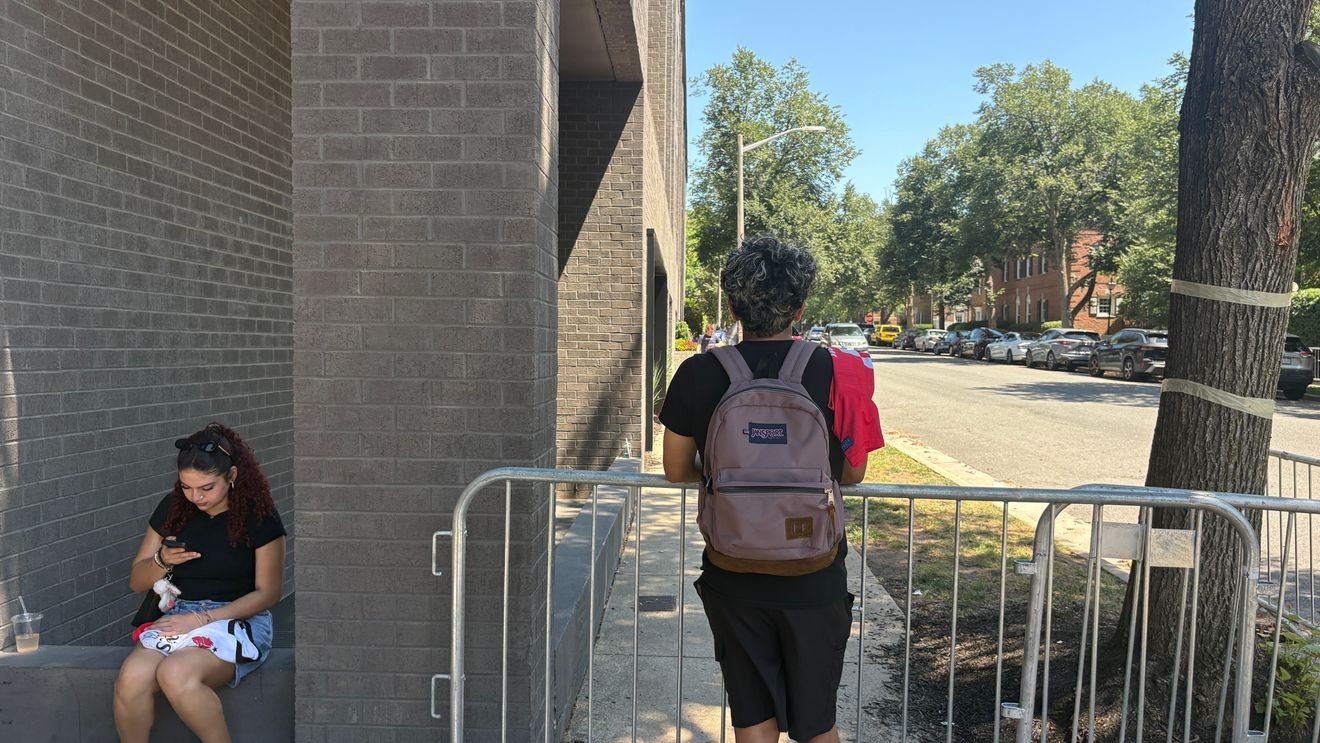
The 2026 FIFA World Cup introduces unprecedented operational complexity, with 104 matches across 16 cities. For the Croatian Football Federation, success hinges on meticulous base-camp management; their selection of Hotel AKA in Old Town Alexandria provides optimal proximity to training facilities and logistical corridors. This site selection reflects the professionalization of tournament operations, where minimizing transit fatigue is as critical as match-day performance.
Tactical Evolution and Managerial Philosophy
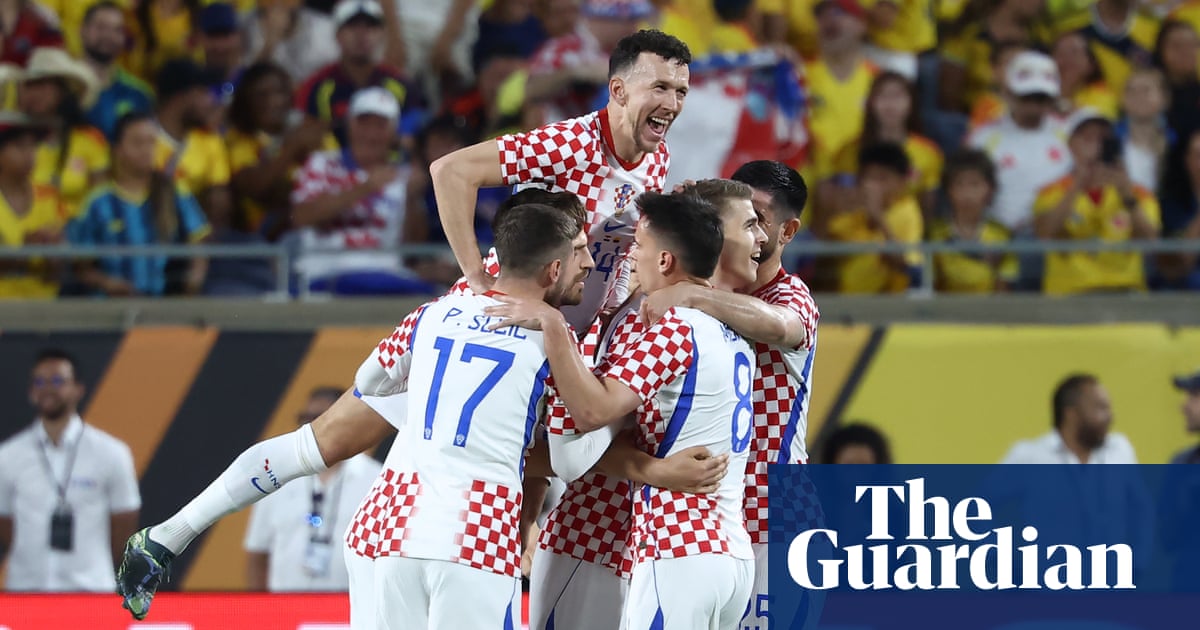
Zlatko Dalic is currently navigating a period of significant tactical transition. While qualifying matches confirmed the team’s floor, Dalic has utilized friendlies to stress-test squad depth and hybrid formations. The oscillation between a three-at-the-back system and more traditional 4-3-3 or 4-2-3-1 structures suggests a pursuit of defensive versatility. By testing these systems against varied international opposition, the management aims to harden the squad against the high-intensity tactical requirements of a modern, expanded World Cup.
The Role of Core Personnel in Strategic Stability
The fitness and form of Manchester City duo Josko Gvardiol and Mateo Kovacic remain the definitive pillars of Croatia’s tactical architecture. Their elite club experience enables a seamless transition between defensive containment and progressive ball circulation. By anchoring the side with these high-caliber individuals, Dalic aims to maintain structural integrity, allowing for the tactical flexibility necessary to navigate the physical toll of a tournament that demands consistency across multiple venues.
Institutional and Economic Considerations
Beyond the pitch, the 2026 World Cup acts as a vector for significant economic and soft-power influence. The integration of the team into the Alexandria community demonstrates the logistical coordination required for international squads in the U.S. market. For the team, the challenge lies in leveraging this massive platform to sustain their status as a tier-one competitor, ensuring that institutional resources are effectively aligned with performance-based outcomes.
Historical Continuity and Future Expectations
Croatia enters the 2026 cycle carrying the weight of consistent high-level tournament success since 2018. However, the mandate for this cycle is clear: balancing the legacy of a veteran core with the necessary integration of younger talent. Dalic’s success will ultimately be measured by his ability to maintain this competitive equilibrium, ensuring that tactical fluidity and a robust recovery culture compensate for the demands of an evolving, high-stakes tournament format.