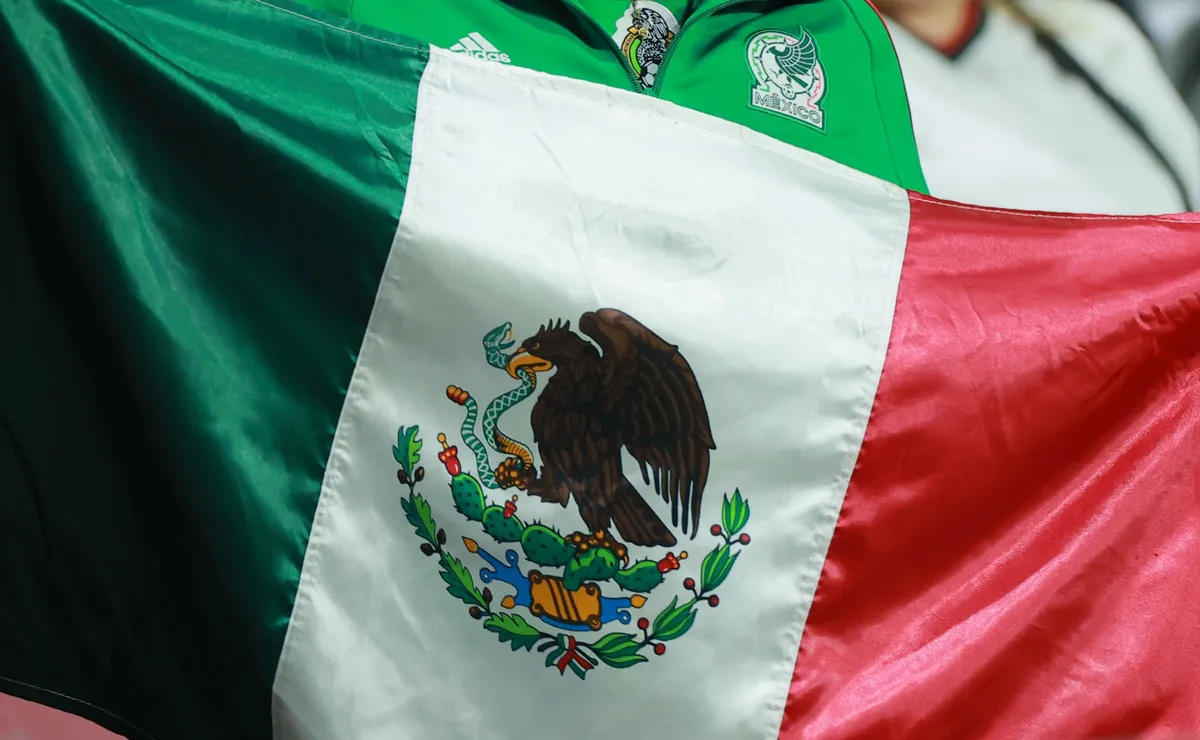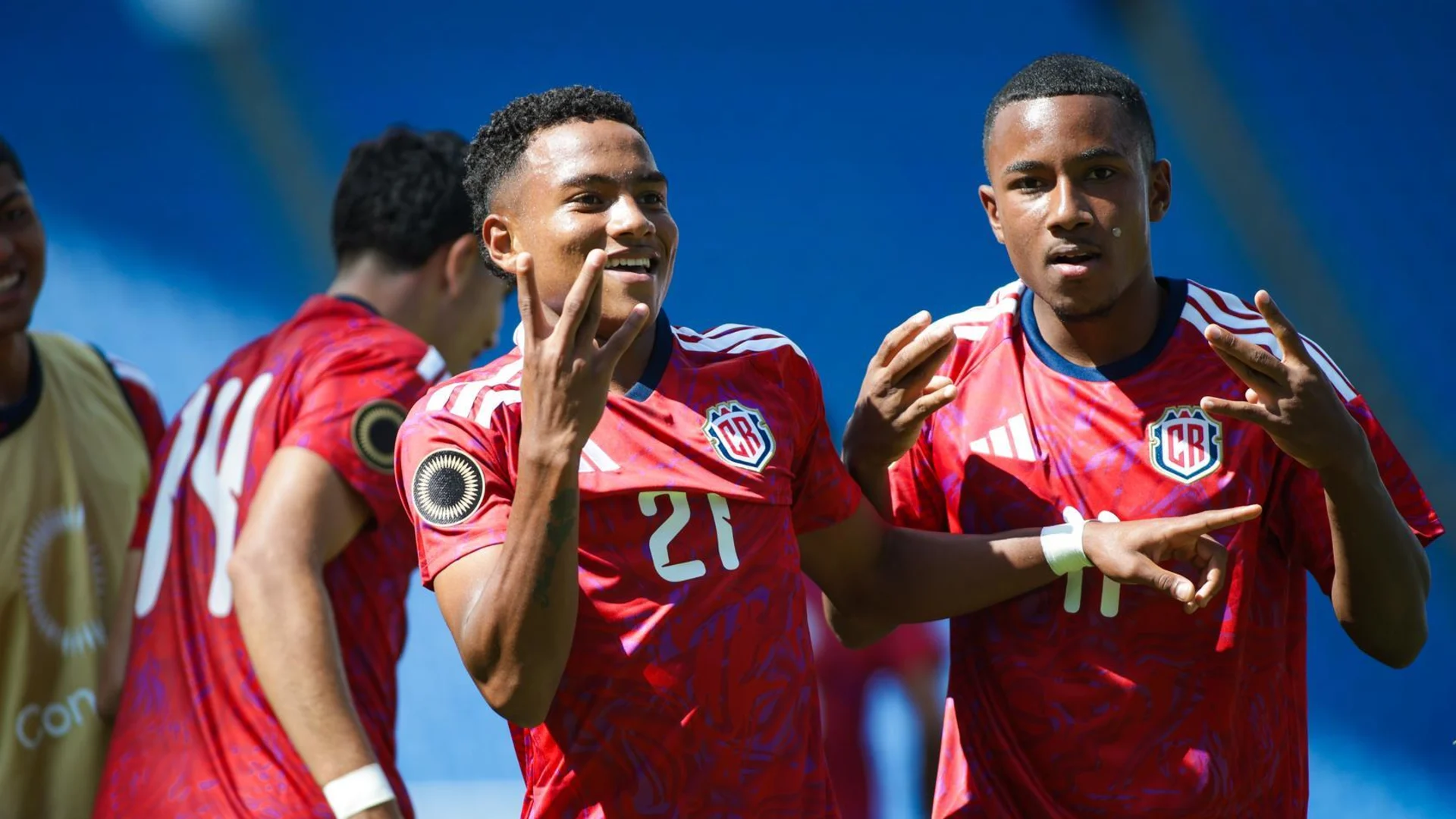
The 2026 CONCACAF U-20 Championship has reached a critical tactical juncture in Group B. Following clinical opening performances at Estadio Cuauhtémoc, Costa Rica and Mexico are set to engage in a high-leverage encounter that will likely determine the group’s final hierarchy. With both nations securing three points in their debuts, the July 27 fixture transitions from a regional rivalry into a strategic battle for optimal knockout stage pathing and institutional momentum.
Strategic Leverage and Group B Standings
Costa Rica entered the competition with a resilient 1-0 victory over Guatemala. The match was defined by the 33rd-minute dismissal of Guatemala’s Emir Ponciano, which allowed the Ticos to dictate the tempo and capitalize on tactical spaces. Despite the victory, Costa Rica sits second in the group due to goal differential, necessitating a proactive approach against the host nation to secure the top seed.
Mexico, conversely, established immediate dominance with a 3-0 shutout of Antigua and Barbuda. This result serves two purposes: it provides a significant +3 goal cushion for tie-breaking scenarios and validates the offensive versatility of the Mexican youth system. As the host nation, El Tri operates under the dual pressure of public expectation and the logistical necessity of maintaining a dominant home record at the Cuauhtémoc.
Tactical Profiles: Defensive Resilience vs. Offensive Depth
Costa Rica’s opening performance revealed a balanced tactical profile. Early aggression from David Garro and Yerlan Sosa demonstrated a capacity to penetrate defensive blocks, while Keyner Hernández’s clinical finishing proved decisive. Defensively, the Ticos showed high situational awareness, highlighted by Emmanuel Brenes’s 54th-minute goal-line intervention. This defensive discipline will be tested by a Mexican side that averages three goals per game in the current cycle.
Mexico’s operational advantage lies in their transition speed and midfield control. Against Antigua and Barbuda, the squad demonstrated a sophisticated ability to recycle possession and exploit wide channels. However, the challenge against Costa Rica involves breaking down a more organized, low-block defensive structure. The winner of the midfield battle—specifically the ability to disrupt Costa Rica’s counter-attacking outlets—will likely dictate the match’s outcome.
Institutional Impact and Youth Development Pipelines
Beyond immediate points, this fixture serves as a litmus test for the youth development models of both federations. For Costa Rica, competing on equal footing with Mexico validates their long-term investment in domestic academies and regional scouting. For Mexico, the tournament is a critical component of the 2026 developmental cycle, aimed at identifying talent capable of transitioning to the senior national team ahead of the FIFA World Cup.
The commercial and broadcasting landscape further underscores the match’s importance. Distributed via Fox Sports 2 and Fubo, the game targets a massive North American demographic. This visibility is essential for player valuation, as international scouts utilize the CONCACAF U-20 Championship as a primary talent identification window. The 10:00 PM ET kickoff is strategically positioned to maximize engagement across multiple time zones, reflecting the high market value of the Mexico-Costa Rica matchup.
Knockout Stage Projections
The immediate consequence of this match is quarterfinal seeding. The Group B winner will theoretically secure a more favorable matchup, avoiding top-tier seeds from Group A and Group C. Given Mexico’s current goal differential lead, a draw would suffice for them to retain the top spot, whereas Costa Rica must pursue an outright victory. This imbalance in requirements is expected to force an expansive game plan from the Costa Rican technical staff, potentially leading to a high-intensity, transitional contest.
As the tournament progresses in Puebla, the tactical maturity displayed by these two squads will set the benchmark for the remaining competitors. The July 27 encounter is not merely a group stage game; it is a definitive assessment of regional power in the youth ranks.