Strategic Expansion of the Ballroom Franchise
The long-standing television franchise Dancing with the Stars has officially announced its transition into the live experiential market with the scheduling of its first-ever fan convention. This three-day event, slated for the summer of 2026, represents a significant institutional pivot for the production as it seeks to formalize its community engagement beyond the traditional broadcast window.
By establishing a physical presence outside the studio environment, the franchise is adopting a multi-platform engagement strategy common among high-equity media properties. This move signals an administrative effort to consolidate the show’s legacy into a tangible brand experience that operates independently of the seasonal filming cycle.
Operational Framework and Talent Participation
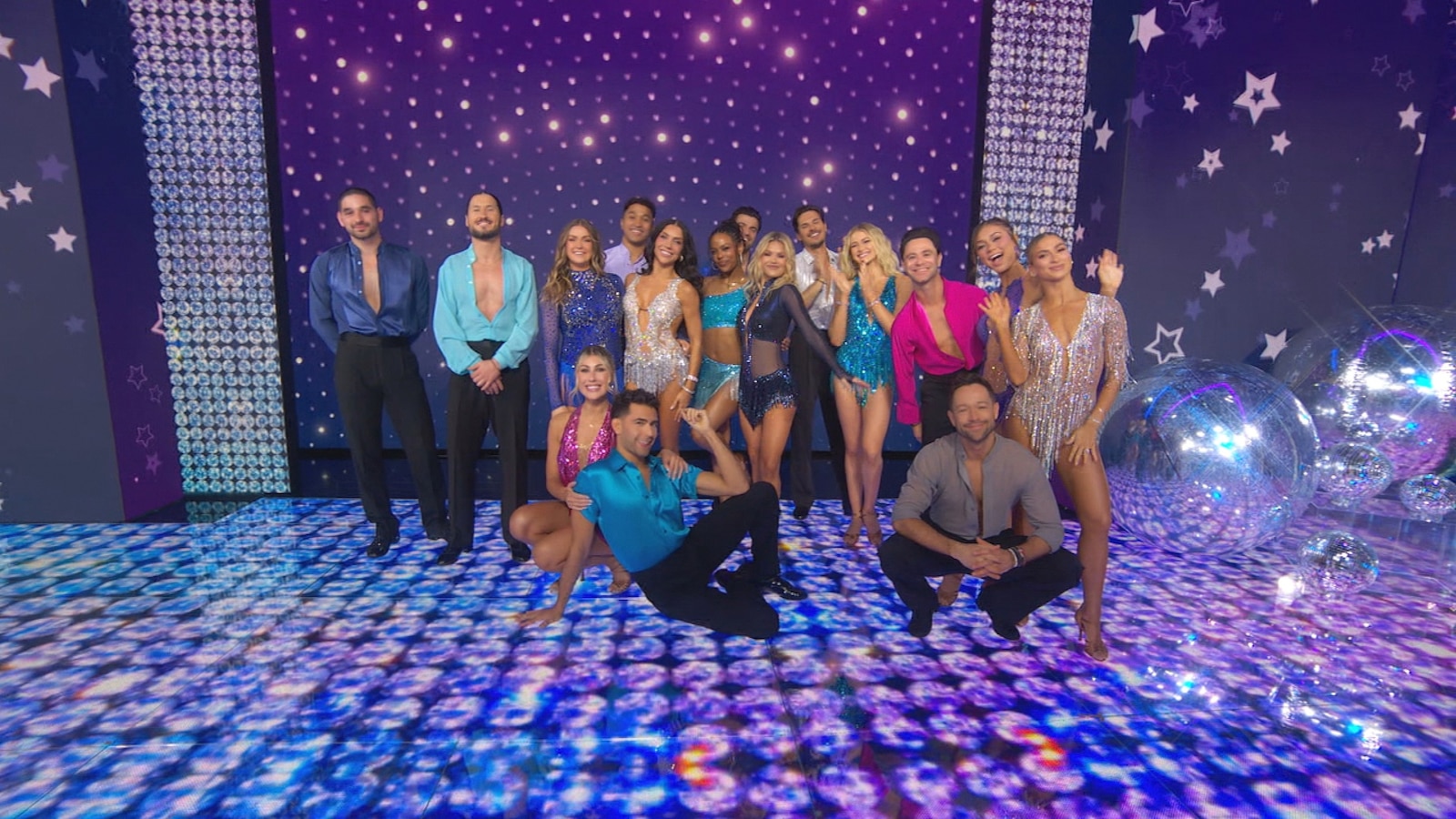
The convention is structured as a comprehensive three-day gathering designed to facilitate direct interaction between the audience and the program’s professional ecosystem. According to initial disclosures, the event will feature a diverse cohort of participants including past winners, professional dancers, and notable celebrity alumni.
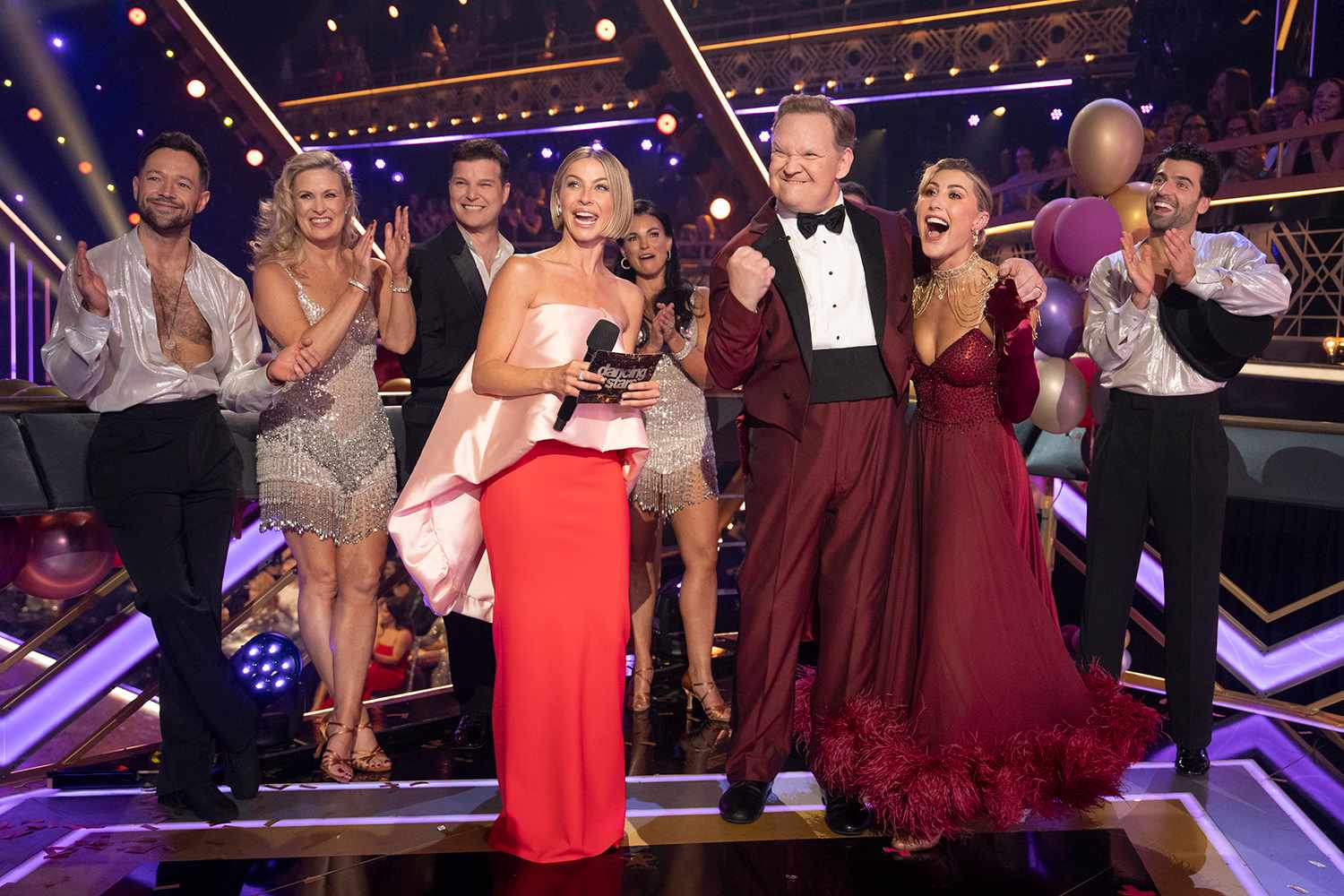
Confirmed participants for the 2026 gathering include recent winner Joey Graziadei and long-time professional dancer Jenna Johnson. Their involvement highlights the organizational strategy of leveraging established talent to anchor new commercial ventures, ensuring a continuity of brand identity between the televised product and the live event.
Institutional Roles and Strategic Communication
The announcement gained significant clarity through statements provided by Season 34 alumna Danielle Fishel and professional dancer Emma Slater. These figures serve as primary conduits for the franchise’s outreach, bridging the gap between the administrative goals of the production and the expectations of the consumer base.
The inclusion of diverse voices from the show’s history—ranging from current professionals to former contestants—suggests a structural design aimed at representing the full chronological scope of the series. This approach allows the organization to monetize historical participation while maintaining contemporary relevance in an evolving media landscape.
The Economics of Experiential Media Assets
The decision to schedule the event for 2026 suggests a long-term planning horizon typical of large-scale institutional logistics. This timeframe allows for the complex coordination of talent schedules, venue management, and the development of a structural framework that can support a multi-day influx of attendees.
From an economic perspective, fan conventions serve as a critical tool for revenue diversification within the entertainment sector. By moving into the live event space, the franchise can capture value through direct-to-consumer channels, reducing its reliance on traditional advertising and broadcast licensing agreements.
Structural Continuity and Brand Heritage
As Dancing with the Stars enters its third decade of operation, the establishment of a convention serves as a formal recognition of its status as a cultural institution. The move follows a broader industry trend where legacy media assets must evolve into lifestyle brands to maintain market share and audience loyalty.
The 2026 convention is positioned not merely as a promotional vehicle, but as a structural extension of the ballroom’s competitive and performative framework. This expansion ensures that the show’s core themes—professionalism, performance, and narrative progression—are preserved within a new, interactive medium.
Media Context and Industry Positioning
The shift toward live fan events reflects a broader institutional response to the fragmentation of the television market. High-authority franchises are increasingly required to provide high-density, real-world experiences to differentiate themselves from digital-only content and maintain a competitive edge in the attention economy.
By launching a formal convention, the production is establishing a controlled environment for brand expression, allowing for a deeper level of informational and experiential density than a standard broadcast allows. This strategy aligns with modern media management practices that prioritize the creation of a comprehensive ecosystem around a single intellectual property.
Administrative Foundations and Future Readiness
The summer 2026 timeline provides the necessary lead time for the production to address the complex administrative demands of a first-of-its-kind event. This includes the management of legal frameworks, talent contracts, and the logistical challenges inherent in transitioning a studio-based production into a public-facing convention.
This initiative marks a new chapter in the structural evolution of the franchise, emphasizing its transition from a passive viewing experience to an active, participatory model. As the media industry continues to prioritize experiential assets, this move positions the ballroom franchise at the forefront of legacy brand modernization.