Beyond the Box Score: Analyzing the Operational and Strategic Mechanics of an Unconventional Out
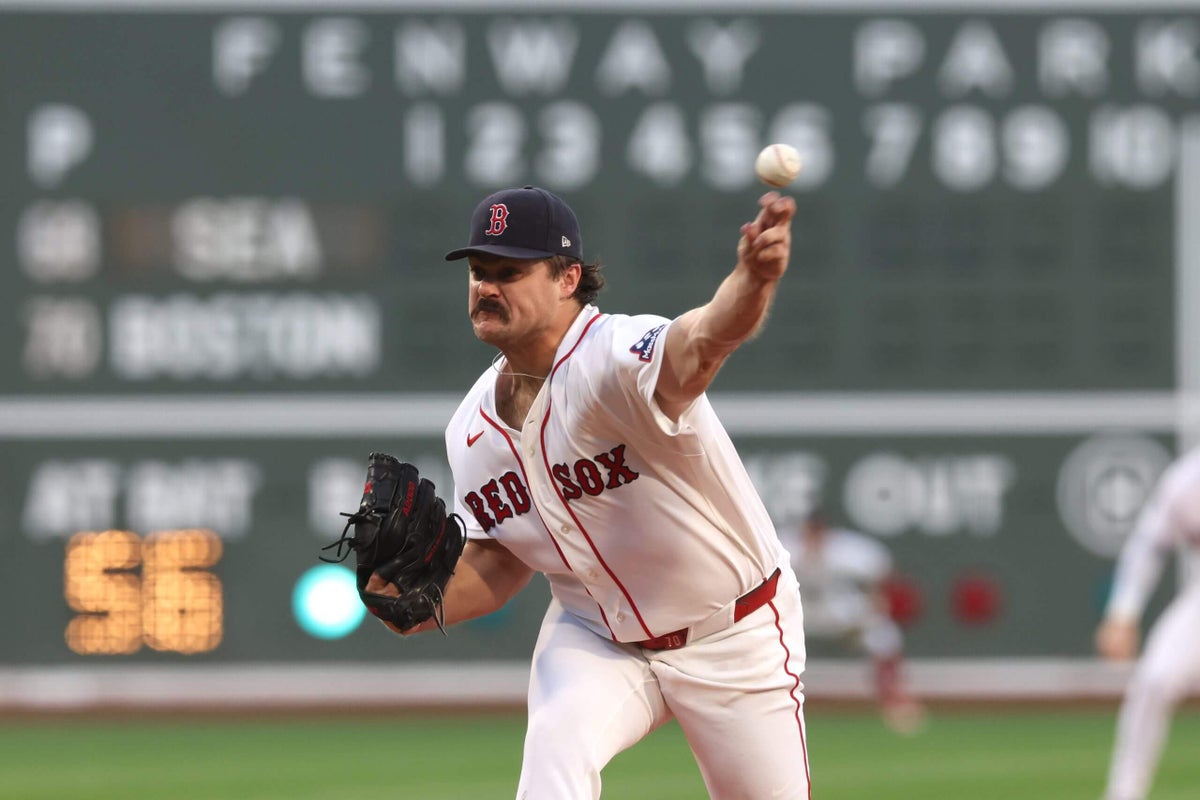
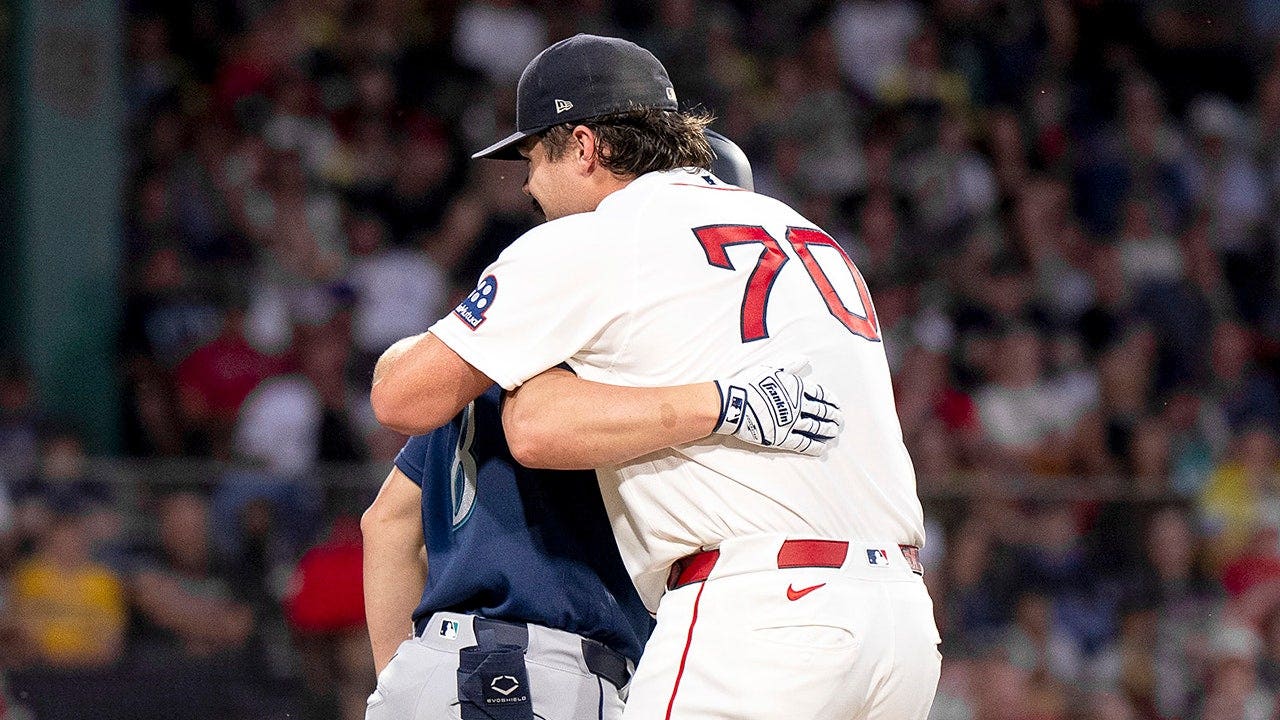
The ‘hug-out’ between Boston Red Sox pitcher Payton Tolle and Seattle Mariners baserunner Dominic Canzone, initially a quirky highlight, serves as a rich microcosm for understanding the intricate economic, strategic, and operational dynamics of professional sports. Far from a mere anomalous play, this spontaneous interaction unpacks layers of value creation, brand leverage, and competitive strategy within Major League Baseball’s sophisticated ecosystem.
From an operational standpoint, securing an ‘out’ is a fundamental performance metric and a core objective directly impacting game flow and competitive advantage. Tolle’s unconventional method, while effective in achieving this immediate objective, challenges established performance protocols. Its low replicability and resistance to systemic integration highlight the inherent tension between standard operating procedures (SOPs) designed for predictability and opportunistic innovation in competitive environments. This incident invites analysis into how such non-standard tactics might influence player decision-making under pressure and the broader tactical landscape, contrasting procedural efficiency with situational efficacy.
Strategically, the ‘hug-out’ underscores the psychological facets of on-field competition. Canzone’s momentary surprise, as Tolle noted, represents a fractional competitive disruption—a cognitive arbitrage derived from an unexpected stimulus. This demonstrates how deviations from expected defensive protocols can create micro-advantages, influencing the split-second decisions that often determine the success or failure of a play. For baserunners accustomed to standard tags or force outs, the unconventional approach momentarily disarmed their prepared response, revealing the potential for personality-driven actions to impact the strategic calculus of opponents. The incident prompts a re-evaluation of the boundaries of acceptable and effective play within the sport’s informal governance structures, testing the unwritten rules that often dictate player interactions beyond the codified rulebook.
Economic Leverage: Monetizing the Viral Moment in the Attention Economy
Beyond the immediate game outcome, the ‘hug-out’ rapidly transformed into a high-value media asset, generating significant media attention across digital platforms, including prominent amplification by Major League Baseball itself. This virality illustrates a crucial aspect of the modern sports economy: the monetization of attention. Unique, shareable content acts as a potent driver of fan engagement, attracting eyeballs and fostering discussion across social media, traditional news outlets, and sports commentary platforms. These engagement metrics are invaluable, translating into enhanced brand visibility and a broader market footprint for the league, its teams, and the individual players involved.
The incident exemplifies the dynamics of the attention economy, where capturing public imagination directly contributes to economic value. For sports organizations, these viral events bolster overall media rights valuations and sponsorship appeal by demonstrating a dynamic and engaging product capable of transcending niche viewership. The ability of a single, unexpected play to generate such widespread resonance underscores the increasing return on unexpected events, positioning them as critical components in a comprehensive commercial strategy that extends beyond traditional broadcast viewership to encompass digital asset creation and global narrative cultivation.
Brand Capital: Player Persona as an Intangible Asset in a Commercialized Landscape
Payton Tolle’s established persona as a ‘hugger,’ powerfully reinforced by this public display, directly augments his individual brand equity. In professional sports, distinct player personalities are increasingly recognized as invaluable intangible assets, serving as market differentiators in a crowded talent pool and fostering deeper emotional connections with fan bases. This unique identity can unlock diverse revenue diversification opportunities beyond on-field performance statistics, such as personal endorsements, merchandise lines, and media appearances, effectively transforming athletic prowess into comprehensive market appeal.
For the Red Sox organization, having players with memorable and positive public personas enhances the team’s overall brand appeal, contributing significantly to merchandise sales, ticket demand, and ultimately, franchise valuation. The narrative of a ‘special person’ who ‘plays the game like a little kid’ resonates deeply with audiences seeking authentic and relatable figures in sports. This human capital, amplified by effective media dissemination, transforms a simple out into a compelling story that reinforces positive brand attributes for both the player and his team, building goodwill and strengthening market position.
Institutional Governance: Strategic Adaptation and the Evolving Spirit of the Game
Professional sports leagues, including MLB, operate within a meticulously crafted governance framework that meticulously balances competitive integrity with entertainment value. The ‘hug-out,’ while profoundly unconventional, did not violate any explicit rules, presenting a fascinating case study in adaptive governance and how institutions accommodate or react to emergent forms of player expression. The league’s decision to feature and amplify the moment across its official social media channels signifies a strategic endorsement of player personality and a recognition of its positive impact on fan engagement and the sport’s public image. This indicates a deliberate embrace of moments that inject personality and humor, provided they do not compromise the game’s fundamental competitive principles.
This institutional signal subtly shapes the evolving ‘spirit of the game,’ a concept encompassing sportsmanship, tradition, and the unwritten codes of conduct. The acceptance and celebration of Tolle’s action reflect a contemporary willingness to integrate individual flair into the competitive fabric, thereby enhancing the league’s cultural relevance and market positioning. Such strategic validation by the governing body can influence future player interactions and marketing directives, fostering an environment where innovation in expression is encouraged within permissible boundaries.
Ecosystem Value Creation: Stakeholder Returns and the Multi-faceted Value Proposition
The incident created multi-faceted value for a broad spectrum of stakeholders within the professional baseball ecosystem, illustrating a symbiotic value chain. For the players, Tolle gained significant reputational capital and enhanced brand recognition for his unique personality, while Canzone, despite being the recipient of the out, became part of a widely shared and memorable moment, thereby contributing to his public profile. The Red Sox benefited from extensive positive media exposure and enhanced fan goodwill, reinforcing their image as an engaging and entertaining franchise, which can translate into future revenue streams.
The Seattle Mariners, while on the losing end of the play, also indirectly benefited by participating in a moment that contributed to the league’s overall narrative appeal and increased viewership, strengthening the collective product. For media partners and advertisers, the viral nature of the event provided compelling content that drove engagement and viewership, thereby increasing the value proposition of their association with MLB. Ultimately, fans received an unexpected and enjoyable spectacle, deepening their emotional investment in the sport and increasing their consumer surplus, which fuels long-term loyalty and participation in the sports economy.
Competitive Differentiation in the Global Entertainment Market
In a saturated global entertainment market, professional sports leagues and teams constantly seek robust strategies to differentiate their product and capture audience attention. Moments like the ‘hug-out’ offer a unique selling proposition, showcasing the unpredictable, human elements that make live sports compelling and distinct from other forms of entertainment. This strategy of leveraging player personality and spontaneous interactions contributes to a broader effort to cultivate a diverse and loyal fan base. By highlighting the lighter, more authentic side of competition, leagues can attract demographics that might not be drawn solely by traditional athletic prowess or statistical performance.
Generating organic, positive buzz through player actions becomes a critical competitive advantage, fostering a more dynamic and relatable brand image. This approach helps sustain continuous engagement between high-stakes games and during periods of less intense competitive drama, mitigating market fluctuations and bolstering long-term market share. Such events are key components in an overarching market strategy to maintain relevance and appeal in an increasingly fragmented media landscape, securing the league’s position as a premier entertainment provider.
Future Trajectories: Precedent and the Cultural Evolution of On-Field Engagement
While the ‘hug-out’ is unlikely to become a standard operational tactic, its widespread positive reception sets a significant cultural precedent within professional baseball. It signals institutional and fan appreciation for creativity and authentic player expression within competitive boundaries, subtly influencing future player interactions and league marketing strategies. This event encourages athletes to explore novel, yet permissible, ways to interact on the field, potentially leading to new forms of entertainment and engagement that enhance the fan experience. The institutional amplification by MLB suggests a proactive embrace of such innovations, provided they align with broader commercial and engagement objectives.
The long-term impact may manifest in a slightly more relaxed interpretation of on-field decorum, fostering an environment where spontaneous, good-natured interactions are not only tolerated but strategically celebrated. This cultural shift could further enhance the sport’s appeal to a global audience seeking both athletic excellence and genuine human connection. The ‘hug-out’ thus contributes to the ongoing evolution of sports as both a competitive endeavor and a global entertainment product, demonstrating a dynamic equilibrium between preserving tradition and embracing innovation.
Synthesizing Multi-layered Value from a Singular Event: A Holistic Analytical Lens
The ‘hug-out’ between Payton Tolle and Dominic Canzone, initially perceived as a quirky footnote in a regular season game, reveals a complex interplay of operational efficiency, strategic psychology, economic value creation, and institutional adaptation within professional sports. It powerfully underscores how even minor, spontaneous acts can ripple through an entire ecosystem, generating multi-layered value across disparate dimensions.
This incident serves as an eloquent illustration of the modern sports industry, where on-field performance is inextricably linked to media narratives, brand building, financial leverage, and fan engagement. The ability to extract such comprehensive value from a singular event is a testament to the sophisticated mechanisms governing contemporary professional leagues. Ultimately, the ‘hug-out’ highlights the evolving nature of sports as both a rigorous competitive endeavor and a dynamic global entertainment product. The successful integration of personality and performance, amplified by digital media, continues to drive the industry’s growth and its enduring relevance to a diverse global audience, showcasing the immense capital and human value inherent in its operations.