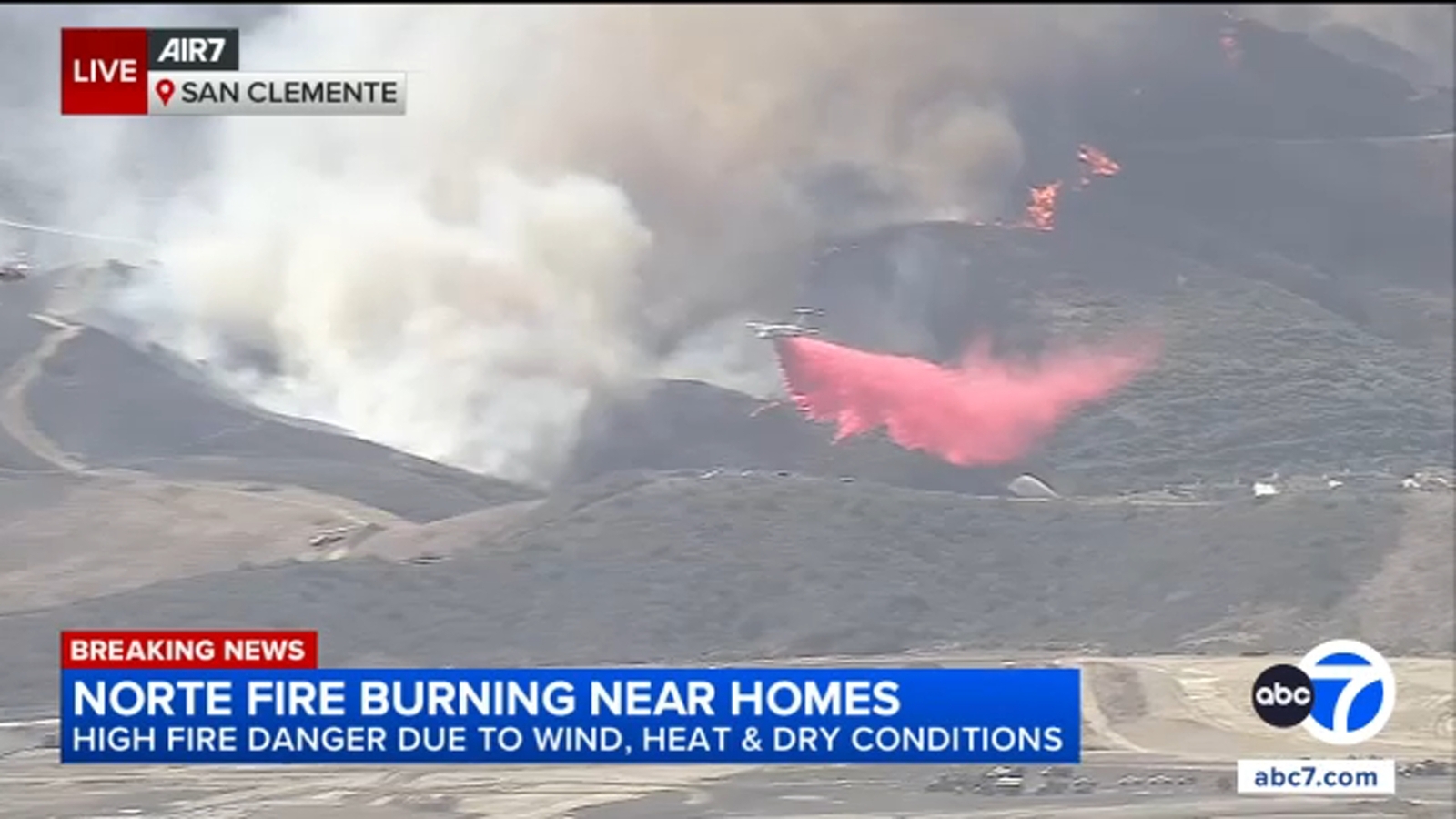
The simultaneous escalation of the Norte Fire in San Clemente and Southern California Edison’s (SCE) widespread Public Safety Power Shutoffs (PSPS) highlights a period of intense systemic stress for regional infrastructure. As of Friday, the Norte Fire has consumed 50 acres near Portico Del Norte, prompting an aggressive multi-dimensional response from the Orange County Fire Authority (OCFA). This tactical challenge is compounded by a meteorological trifecta: 90-degree temperatures, low humidity, and a sustained heat advisory that maximizes fuel receptivity.
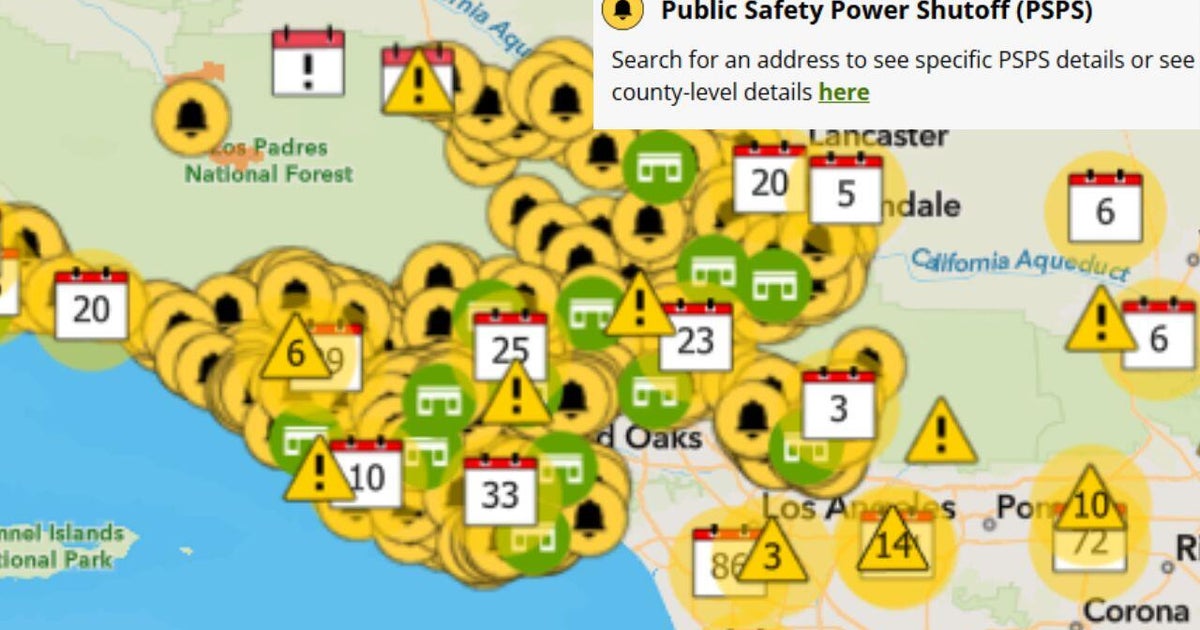
SCE’s strategic decision to de-energize the grid across Los Angeles and Ventura counties functions as a preemptive risk-mitigation hedge. By cutting power to 52,953 customers in LA County and 57,120 in Ventura County, the utility aims to insulate its network from wind-induced ignitions. While these measures reduce catastrophic liability, they introduce immediate secondary risks to municipal operations, specifically regarding public transit and emergency communication resilience.
Tactical Response and Aerial Suppression Strategy
The Norte Fire’s ignition at 11:30 a.m. coincided with peak thermal gain, forcing ground and air crews into high-intensity suppression efforts. In urban-interface zones like San Clemente, the proximity to residential assets necessitates a zero-tolerance approach to fire spread. Aerial assets are particularly vital here, as erratic Santa Ana wind patterns can cause rapid spotting. While containment efforts continue, the OCFA’s ability to maintain clear access for heavy equipment remains a primary operational priority.
In Malibu, the 147-acre Bryson Fire further strains regional resources. The synergy between ground-based containment lines and retardant drops is currently the only barrier against a broader regional conflagration. These active fire theaters, combined with the extreme heat, test the mechanical limits of firefighting equipment and the physical endurance of first responders.
Infrastructure Fragility and Cascading Impacts
The operational fallout of the PSPS protocols is most evident in Simi Valley, where the failure of multiple traffic signals has forced a transition to manual traffic management. Treating non-functional signals as four-way stops significantly degrades transit efficiency and increases the probability of vehicular accidents. This scenario illustrates a critical friction point: utility-led safety measures designed to prevent one disaster (wildfire) can inadvertently trigger another (transit collapse).
Furthermore, the reliance on de-energization as a standard safety pillar exposes the long-term need for grid hardening. While PSPS events are effective at preventing utility-sparked blazes, they impose substantial economic burdens. Small businesses and medical facilities face significant logistical hurdles when power is severed for extended periods, highlighting the vulnerability of a grid that lacks widespread undergrounding or covered conductors.
Meteorological Outlook and Risk Assessment
The Red Flag warning remains in effect through Saturday evening, suggesting that the window of maximum vulnerability is not yet closed. High-pressure systems driving the Santa Ana winds continue to channel dry, offshore air through mountain passes, keeping fire risk at critical levels. For SCE and local fire agencies, this requires a state of continuous readiness and the pre-positioning of assets to ensure rapid initial attacks on any new ignitions.
As investigators work to determine the origin of the Norte Fire, the regional focus remains on the nexus of public safety and infrastructure reliability. The ongoing crisis serves as a case study in modern disaster management, where the success of the response depends on the seamless coordination between utilities, state fire agencies, and municipal governments under extreme-weather protocols.