The Pearl Substation: A Diagnostic Case Study in Grid Fragility
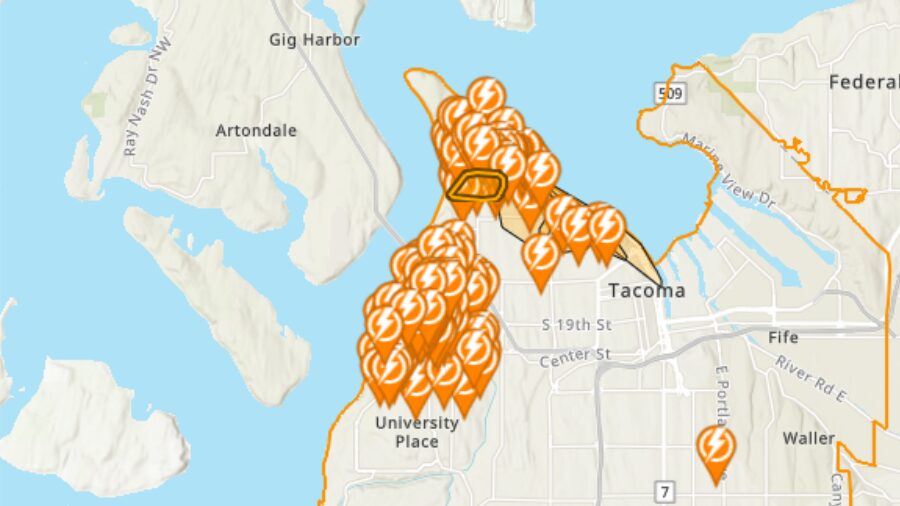
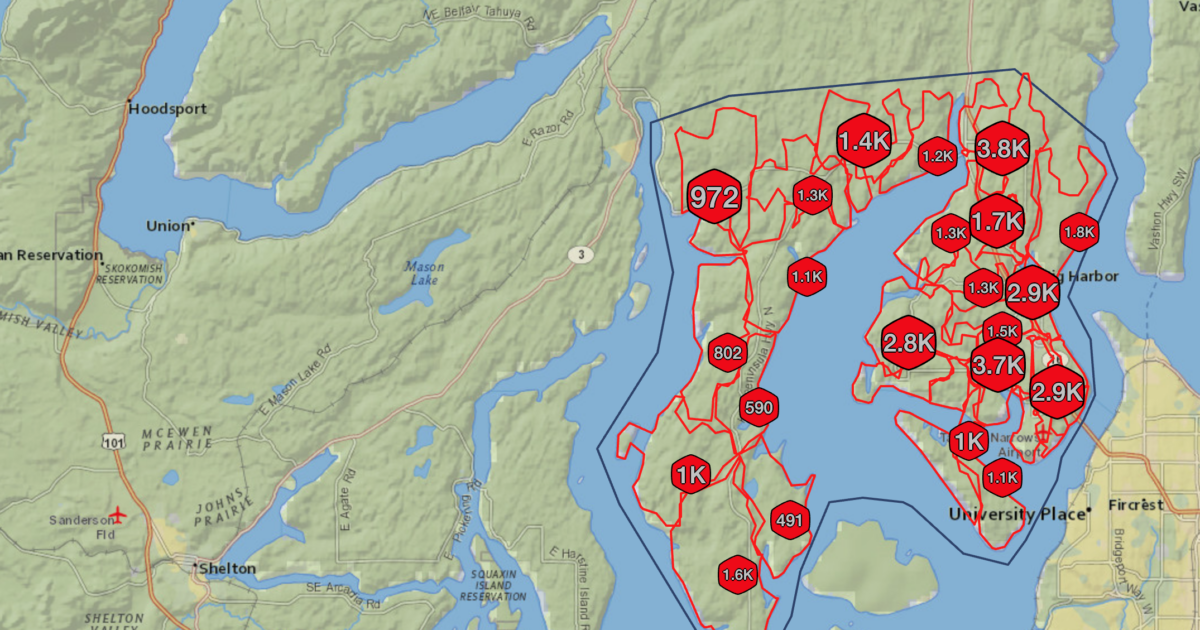
The de-energization of the Pearl substation on October 16, 2026, serves as a high-fidelity diagnostic of the structural vulnerabilities within Pierce County’s electrical architecture. Beyond the immediate disruption to 27,000 customers, the event highlights a critical technical bottleneck: the Pearl node is a primary conduit for the Gig Harbor peninsula. This failure demonstrates how a localized fault in Tacoma Public Utilities (TPU) assets can trigger a cascading blackout for Peninsula Light (PenLight), effectively isolating an entire sub-region from the grid.
The Technical Paradox of Power Wheeling
The incident illuminates the friction between contractual energy procurement and physical delivery. While PenLight secures its supply from federal sources via the Bonneville Power Administration (BPA), the physical transit is mediated by TPU-owned legacy infrastructure. This ‘power wheeling’ arrangement creates a tiered risk profile. When TPU’s transmission nodes fail, the BPA’s reliability becomes irrelevant, as the physical delivery mechanism—the Pearl substation—lacks the necessary redundancy to bypass faulted components. This suggests a significant capital investment gap where regional growth has outpaced infrastructure hardening.
Economic Opportunity Costs and Systemic Volatility
Occurring during a mid-day Friday peak, the outage maximized economic friction for commercial corridors in University Place and Ruston. The rapid restoration of 50% of the load suggests successful grid sectionalization; however, the remaining 13,000 outages point to deep-seated equipment failures, such as transformer breaches or control logic faults. For the peninsula, where the impact was near-total, the event underscores a lack of decentralized energy resources (DERs). Until the regional strategy shifts toward localized microgrids or redundant high-voltage transit paths, the peninsula remains tethered to the operational health of a third-party utility’s aging assets.
Strategic Imperatives for Infrastructure Resilience
The recurrence of these events signals that current inter-utility agreements may lack the financial incentives required for modernizing critical transit corridors. Future grid stability necessitates a multi-agency approach to move beyond ‘remedy and resolve’ cycles toward proactive structural redundancy. Without significant reinvestment in the Pearl nexus, the regional economy remains vulnerable to any single point of failure within Tacoma’s urban core.